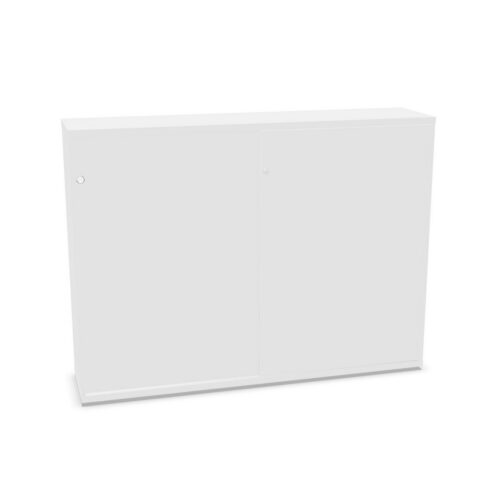
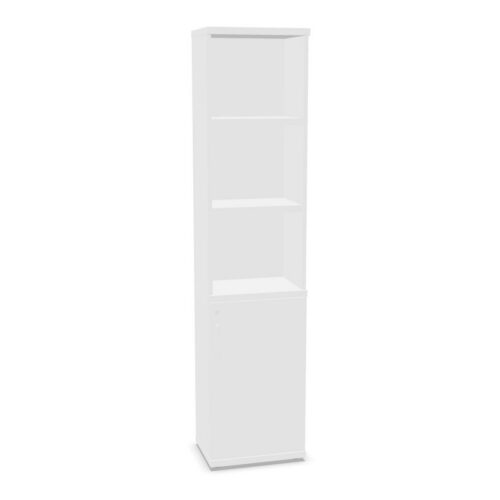
Non-acoustic office furniture is listed without the acoustic product attribute. Use this selection when comparing desks, chairs, tables and storage where acoustic features are not part of the furniture brief. The label describes how a product is recorded in the catalogue; by itself, it does not measure how that item affects sound in a room.
Furniture still contributes to the way a workplace looks and functions. Its materials, shape and position can influence how people use a space, while the room’s surfaces and layout also affect sound. Use the non-acoustic office furniture filter to narrow the product choices, then assess each item against the project requirements. This non-acoustic office furniture selection keeps the catalogue attribute separate from a room acoustic assessment.
What the non-acoustic filter tells you
A product shown in this selection has not been designated as acoustic through the relevant product data. That is different from a statement that the furniture has no acoustic effect, and it is not a room-performance rating. Some non-acoustic products may have soft finishes or substantial surfaces; others may use hard materials. Their contribution depends on construction, placement and the surrounding environment.
The filter also does not confirm that a product has been tested for sound absorption, reverberation control or speech privacy. If a project requires a measurable acoustic result, check the product documentation for suitable evidence and assess it against the project criteria. Avoid drawing conclusions from a product name, photograph or a missing attribute alone.
Choose furniture for the activity
Begin with the work that will take place in the area. Individual workstations call for a suitable work surface, chair, storage and space for equipment. Shared offices may need furniture that supports changing users and different tasks. Meeting areas require a layout that lets people sit, move around the table and use screens or presentation equipment.
Non-acoustic office furniture can be a practical choice when the furniture brief is focused on these functional needs and sound is addressed separately. For example, a standard desk can support daily computer work when its size, height and cable access fit the workstation. A meeting table should be assessed for seating arrangement and circulation, while storage should provide the access and capacity required for the items kept there.
- Compare the furniture dimensions with the room plan and clear routes.
- Check chair measurements and adjustment features for the intended users.
- Review storage access, internal layout and the equipment to be stored.
- Confirm that tables and desks suit the activity and available floor space.
- Check cable access and power needs for workstations using electronic equipment.
Plan sound management separately
Where noise, reverberation or speech privacy matters, consider the complete room rather than relying on a single furniture label. Identify where conversations and other sound sources occur, which areas need concentration, and how people move through the space. Hard floors, walls, ceilings, glazing, occupancy and ventilation can all be relevant to the assessment.
Depending on the brief, sound management may involve the room layout or dedicated acoustic products such as screens, partitions, wall panels or ceiling elements. The appropriate solution depends on the problem being addressed and the available project evidence. Keep acoustic requirements in the room specification so they can be reviewed independently of the non-acoustic office furniture selection.
Compare each product’s specifications
Once the intended use is clear, review the details of each product in the selection. Compare surface and frame materials, dimensions, adjustment options, configuration and maintenance guidance. Chairs, desks, tables and cabinets serve different purposes, so the same attribute value should not be treated as a substitute for checking the individual product information.
For a coordinated workplace, consider how the selected items will work together. Check that the furniture fits the planned arrangement and that users can reach equipment, storage and controls comfortably. Confirm the supplied configuration before it is added to a furniture schedule, particularly where a product has optional components or finishes.
Use the filter as a starting point
This non-acoustic office furniture category helps you find products that are not marked with the acoustic attribute in the catalogue. It supports an initial comparison, while the final choice depends on the activity, room dimensions, user needs and project specifications. Review the details of each desk, chair, table or storage product, and evaluate any acoustic requirement separately using relevant documentation.
Keeping these checks distinct makes product selection clearer: the filter describes catalogue data, product specifications explain the furniture, and the project assessment addresses the workplace environment. Use all three when the brief calls for them.
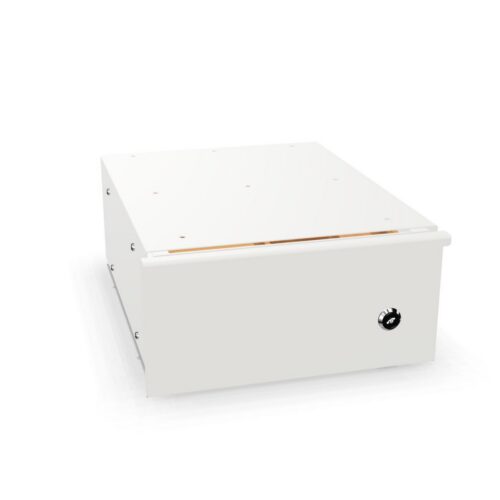
Actiforce