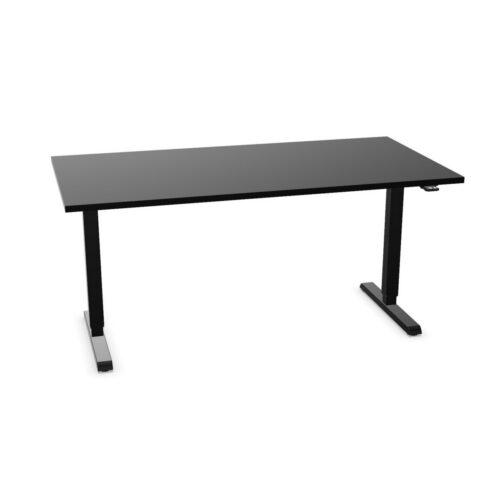
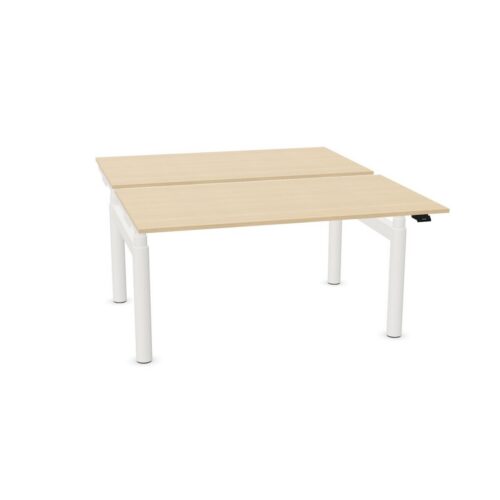
Height-adjustable office furniture lets a work surface change position to suit a person or activity. In this selection, desks dominate, with bench layouts, corner desks, frames and some meeting tables also represented. The adjustment can be electric, manual or another mechanism, depending on the product. What matters first is the work being supported and the usable positions available in the selected design.
Start with the work surface
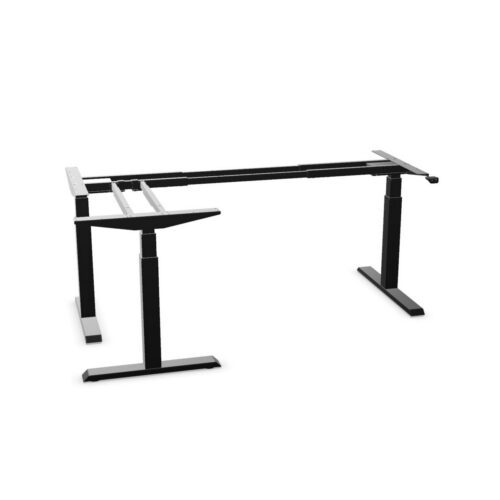
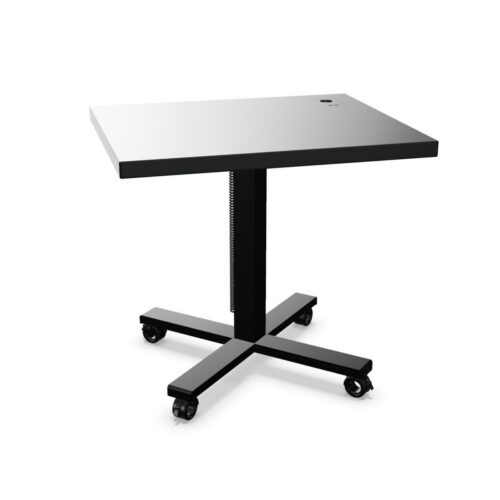
A single desk should accommodate the devices and materials used throughout the day. A corner form can provide separate zones for computer work and paperwork, while a bench has to make room for several people and their equipment. At a meeting table, the surface must still support conversation and shared content after its height changes.
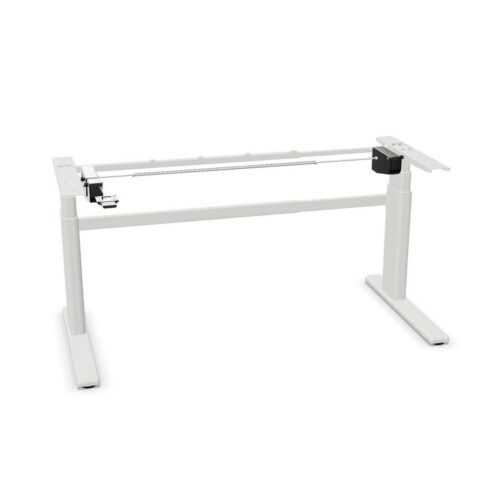
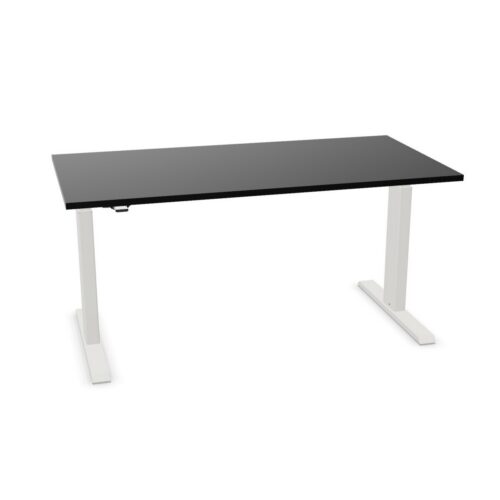
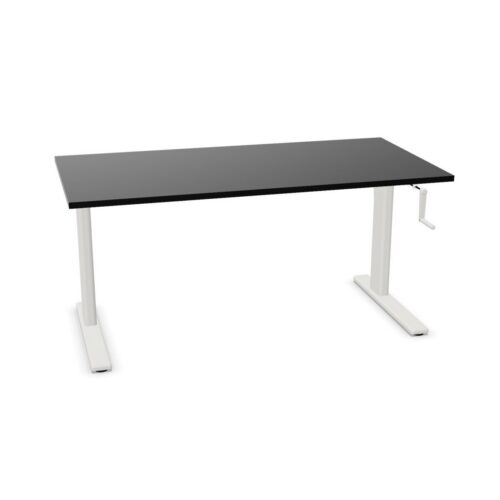
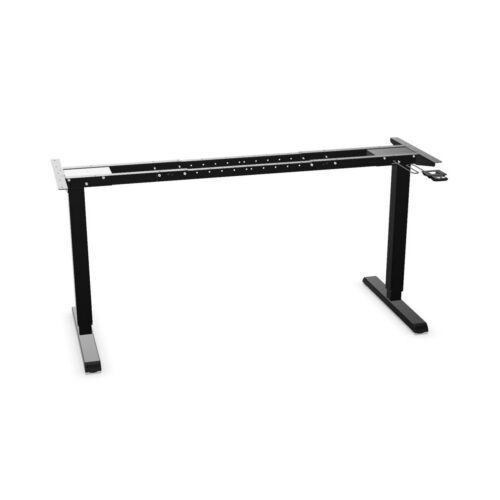
Height-adjustable office furniture can be supplied as a complete table or as a frame to pair with a top. Check the shape and support of the intended combination. A top chosen only for its finish might put a monitor arm or other heavy accessory in a position the frame does not support well.
Understand the adjustment method
Electric controls can make frequent changes straightforward when power is available. A hand-operated mechanism may suit a table adjusted less often or a setting where a motor is unnecessary. A pneumatic design can offer assisted movement without motorized control. Compare the effort, operating steps and intended load for the exact model.
Height-adjustable office furniture at a shared desk needs controls people can find and understand. A meeting table may be adjusted before an activity and remain in one position during it. The mechanism should fit that routine. If several users rely on the same table, confirm how each can establish a suitable position without moving colleagues’ equipment unnecessarily.
Check useful positions, not just travel
The maximum and minimum heights are only endpoints. Consider where people will actually work, the chair they use and the screen height they need. A tabletop at a convenient standing level may still leave a screen too low or an input device awkwardly placed. Evaluate the entire workstation at the positions that matter.
Height-adjustable office furniture must also move freely through those positions. Check nearby shelves, screens, storage and windowsills, along with anything fixed beneath the top. A cable tray or attached modesty panel may need clearance that is easy to miss on a floor plan.
Give cables a workable route
Computer equipment, lighting and meeting technology can remain connected while the surface moves. Plan enough cable length for the intended adjustment, and keep leads away from the mechanism and people’s feet. A powered frame adds its own lead, so note where the outlet will be and how it can be accessed.
For bench desks, think about each workstation as well as shared power distribution. People should be able to adjust their own area without tugging on a neighbour’s cables. If a table will be moved within a room, decide how equipment connections will be disconnected and restored.
Consider load and stability
Include screens, arms, computers and accessories when assessing the weight on a desk. A conference table may carry presentation equipment as well as normal meeting materials. Compare that realistic load with the chosen product’s limits. The desk should feel suitable at its useful positions, not only when fully lowered.
Check the feet and supporting frame in relation to the floor and surrounding furniture. A wide top or projecting accessory can change the feel of a surface when it is raised. Follow the assembly guidance for the selected top and base so the furniture is evaluated as the complete item people will use.
Place the furniture for daily use
Allow room for a chair to move, a person to stand and colleagues to pass. In a corner workstation, check access to both sides of the top. In a meeting area, raising or lowering a table should not bring its edge into conflict with chairs, screens or wall-mounted equipment.
Choose height-adjustable office furniture by matching its movement to the work routine. Look at the surface, mechanism, useful positions and surrounding room together. When those details fit, adjustment becomes a practical feature that people can use without disrupting the rest of the workplace.