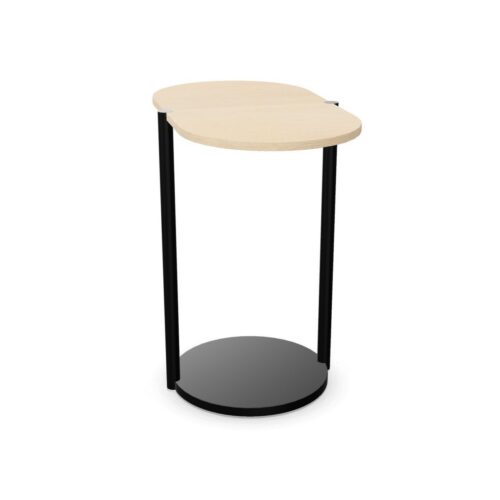
Furniture with black bases gives desks, tables and seating a clear visual connection close to the floor. The black finish defines the lower structure while leaving room to vary the surfaces, seats and upholstery above it. That makes base color a useful starting point for an office scheme with several furniture types. A black base does not mean the whole piece is black, so consider it as one part of the complete color arrangement.
A consistent detail across different furniture types
An office often brings together desks, meeting tables, work chairs and softer seating. These pieces perform different jobs and do not need identical shapes. Furniture with black bases can introduce a repeated detail across those groups, helping their lower structures relate even when the furniture above them differs in material or form.
Decide how visible you want that shared detail to be. A slim black chair base may have a different presence from the broad underframe of a meeting table. Compare the proportion of the base to the whole product, then look at several pieces together. The result should make sense from normal views across the room as well as in an individual product image.
Black frames beneath desks and meeting tables
At a workstation, a black base can form an outline beneath a lighter desktop or continue the darker tones of a more restrained scheme. Pay attention to the desktop edge, adjacent storage and the chair that will sit in front of the frame. The same base color can look quite different depending on those immediate surroundings.
For meeting tables, consider the space between seating positions as well as the visible finish. Black legs remain physical supports, so their placement still needs to suit the chair arrangement. When several tables are placed together, review the combined pattern of the underframes. Repeating the finish can provide continuity, while the leg layout determines how people can use the table.
Coordinate chair bases without matching every seat
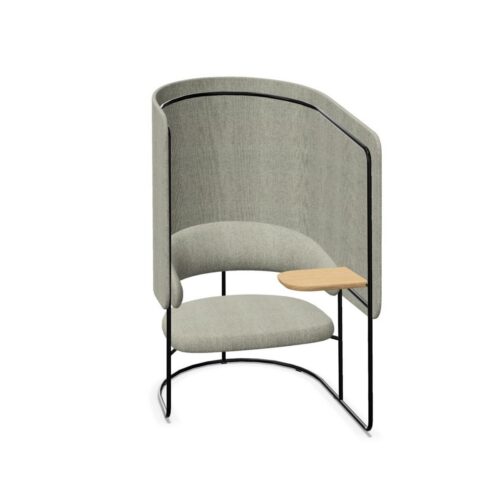
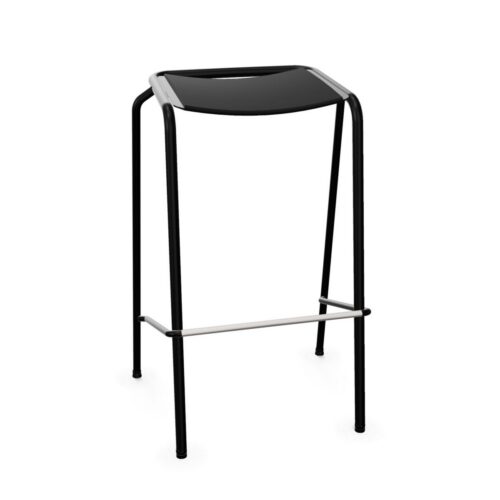
Furniture with black bases also gives seating a point of connection with the working surfaces around it. A work chair, meeting chair and lounge chair can share a lower color while retaining different back profiles and upholstery. This can be useful when each part of the office needs its own type of seating.
Choose the seat and back around their function before refining the color scheme. A meeting chair needs to work at its table; a task chair needs to suit its workstation. Once those requirements are clear, compare the black base with nearby frames, table legs and storage. Color coordination works best when the furniture remains appropriate for its intended activity.
Balance black with surrounding surfaces
A black base can be read against wood tones, colored upholstery, pale surfaces or darker furniture. The effect depends on how much of each surface is visible. Furniture with black bases may create a stronger contrast against a light floor than against a darker one, so assess the scheme in the context of the room rather than considering color names in isolation.
Lighting and surface texture also affect appearance. Two finishes described as black may differ in sheen or texture, and photographs do not always make those differences obvious. Where close visual matching matters, compare the finish information for the actual products and use samples when available. An intentionally coordinated scheme does not have to rely on every black component looking identical.
Keep color separate from material and function
The black base description identifies a color, not the material underneath it. It does not establish whether the base is steel, aluminum, wood or another construction. Nor does it identify a desk’s adjustment mechanism or a chair’s movement. Compare those details separately so that the appearance supports a suitable furniture choice.
Use furniture with black bases to build a coherent lower layer across the workplace, then refine each item according to use. Check working clearance under desks, chair positions around tables and the spacing of lounge arrangements. Bringing finish, proportion and function together makes the repeated black detail feel considered across the whole room, with enough freedom for different surfaces and seating styles.




Abstracta