Blue furniture bases put color on the structure beneath a seat or work surface. The blue may appear on chair legs, a swivel base, a desk frame or table supports while the upholstery and top use other finishes. This distinction is useful in a workplace where several furniture types share the same room. A blue frame can connect them through a repeated detail without making every visible surface blue.
Find the colored structure
A four-leg chair shows its base along the full height below the seat, while a swivel chair concentrates color near the floor and central column. A table might expose blue legs from across the room, or conceal most of its pedestal beneath a broad top. Check each complete product to see how much of the base is actually visible.
Blue furniture bases can look very different in a row of chairs and under a single meeting table. Repeated chair legs form many fine vertical lines; a table base creates a larger shape. Decide whether the structural color should repeat quietly or become a clear feature in the room.
Connect chairs to their tables
A blue chair frame can sit beside a neutral table base, or both supports can share a related finish. Compare the legs with the table’s top and edge as well as with one another. Participants should still have knee room, and the chair should pull close enough to the table for the intended work.
At a high meeting table, stool bases may be particularly visible because of their height. Check the footrest, leg spread and floor contact. A blue finish can draw attention to those elements, so the structural arrangement should look deliberate and function well.
Consider desk frames
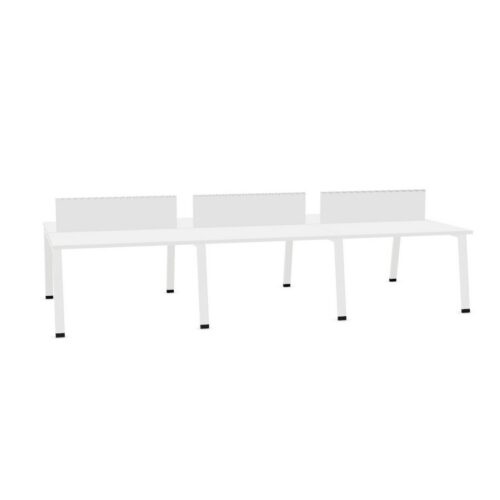
A blue desk base can show beneath a light or dark worktop. At a bank of desks, repeated supports may create a line through the work area. Check how under-desk drawers, cable trays and modesty panels affect that view. The furniture’s working parts should not disappear from consideration simply because the color is striking.
Blue furniture bases on height-adjustable desks may change their visible proportions as the legs extend. Review the desk at the positions users actually need. Look for clear movement around shelves and screens, and confirm that the frame and top have been selected as a suitable combination.
Use bases in lounge areas
A lounge chair or sofa may reveal only short blue feet beneath upholstery. Their color can echo a side table or meeting chair nearby, although much of the effect depends on viewing angle. Place the pieces in the planned conversation group and inspect them from the main approach to the space.
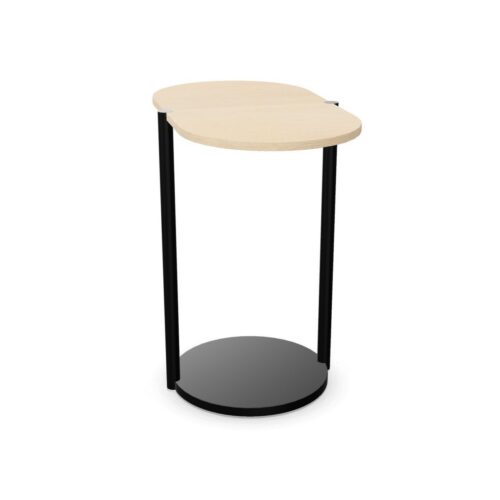
On a freestanding side table, a blue pedestal can be more prominent than small sofa feet. Check how its base sits near people’s legs and whether it is easy to move around. A coherent color link should still support natural movement between seats.
Compare finish and floor
Blue furniture bases in painted metal can have a different sheen from a blue plastic chair base. Examine the chosen surfaces in the room light. Flooring also changes how the color reads: the contrast with timber, carpet or a dark surface can make a slender leg appear stronger or quieter.
Glides and castors may be a different color from the base itself. Check what is supplied and whether it suits the flooring. Follow the cleaning guidance for the actual frame material, particularly at floor level where scuffs and dust can collect.
Choose the structural detail
Compare the support lines created by desks, tables and chairs in one room view. Decide which bases should relate and which are better left in another finish. A repeated blue can help connect meeting and work areas if it is applied to components that remain visible.
Choose blue furniture bases by checking leg placement, chair movement, floor contact and finish together. The color should make the support structure part of a deliberate room scheme while the furniture continues to serve its practical role.