Brown furniture bases place a warm-toned finish on legs, frames, pedestals or feet beneath office furniture. Brown can be painted, coated, plastic or wood-like, so the color does not establish the material. In a workplace with chairs, desks, sofas and meeting tables, these supporting parts can connect otherwise different pieces. Identify the exact base on each product before deciding how it belongs in the room.
Notice the amount of visible brown
A four-leg meeting chair exposes long supports and perhaps the underside of its seat. A swivel chair shows a central column and star base near the floor. A sofa may reveal just short feet. Although each can have a brown base, the color occupies a different share of the visible furniture.
Brown furniture bases under large tables can be more prominent. A broad pedestal might become a central element when seen from the doorway, while slender legs may recede beneath the top. View the chosen table with chairs in place and pulled back; both situations occur in ordinary use.
Balance chair frame and seat
A brown chair frame can sit below upholstery of another tone or beneath a wood-look seat shell. The transition between frame, seat and back determines the chair’s complete appearance. In a row of conference chairs, repeated brown legs may create a visual rhythm even when the seats use varied fabrics.
Check the frame’s practical fit. Meeting chairs must leave room for people to sit and move, while task chairs need a base and castors that work on the floor. A brown finish may draw attention to a beautifully shaped frame, but it should not take priority over stability and movement.
Work with desk supports
Desk frames are visible from the aisle and from the worker’s seat. Brown furniture bases can relate to storage fronts or other warm materials without matching the desktop. Check leg positions, under-desk drawers and cable trays; these components can cover or interrupt the frame’s appearance.
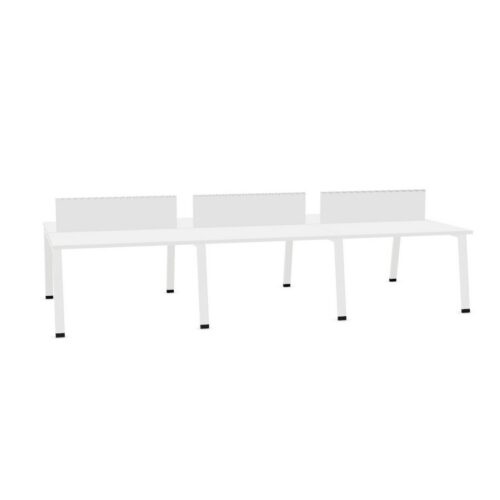
For a bench desk, repeated legs create a longer line across the office. Consider how chairs move around them and how people reach shared equipment. If the desk changes height, review how the frame looks and functions at the positions people will use.
Consider lounge furniture
A sofa’s base may be largely hidden by upholstery, but visible feet can still connect it to a nearby coffee table. A pouf or modular seat may have a different support arrangement. Position the pieces for conversation and access, then inspect whether the brown details actually remain visible from normal viewpoints.
A side table with a brown pedestal can repeat the sofa feet more strongly than another chair would. Check that the table base does not interfere with legs and that people can reach the top from their seats. The shared color should support a useful grouping rather than dictate one.
Compare material and floor
Brown furniture bases with a wood-like finish may show grain, while a painted metal frame is smoother. Both can appear brown but behave differently in light and cleaning. Review the selected finish against flooring and nearby timber or laminate surfaces. A close color match is less important than a coherent material relationship.
Floor contact points may be plastic, rubber or metal and may differ in color from the main base. Confirm the glides or castors supplied with each item and whether they suit the floor. These small parts affect movement, protection and the final appearance near the ground.
Make the frame choice practical
Compare the support structures across chairs, desks and tables. Decide where a brown frame should be visible and where another finish creates a clearer edge. Look at the room from standing and seated positions, with furniture in its usual working arrangement.
Choose brown furniture bases by connecting finish with form. The legs and feet must support the furniture, leave appropriate clearance and work with the floor. Their brown color can then provide a considered link between different workplace pieces.