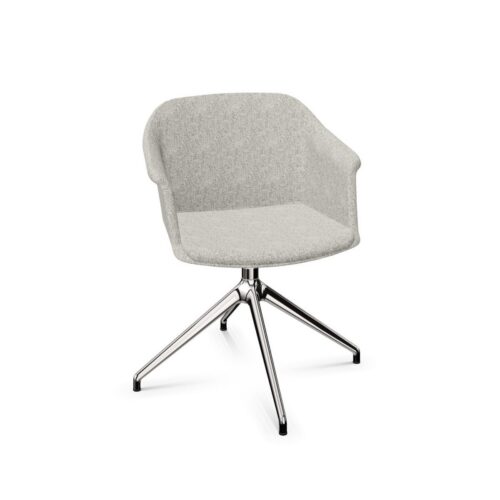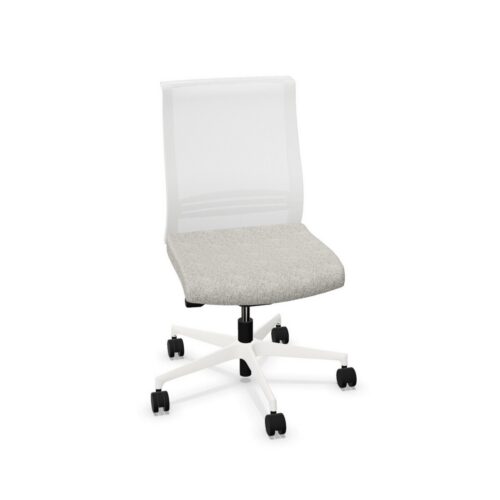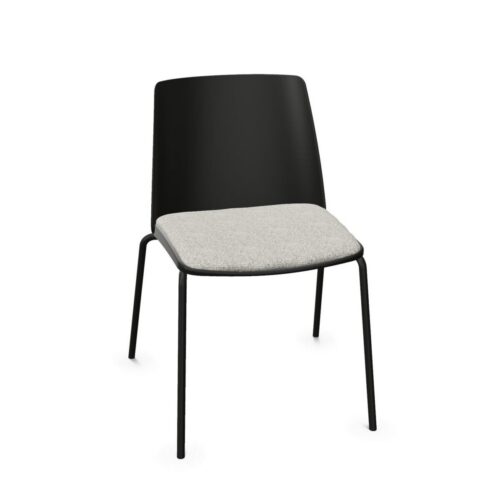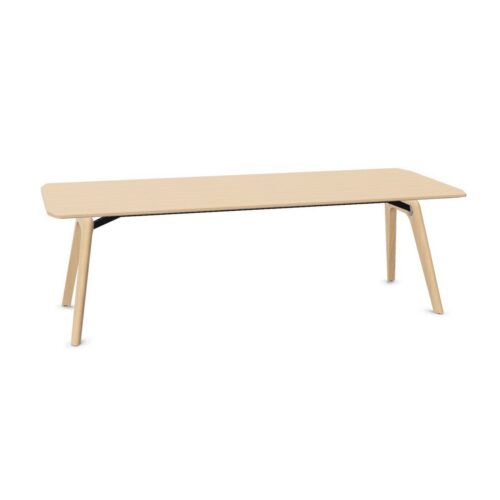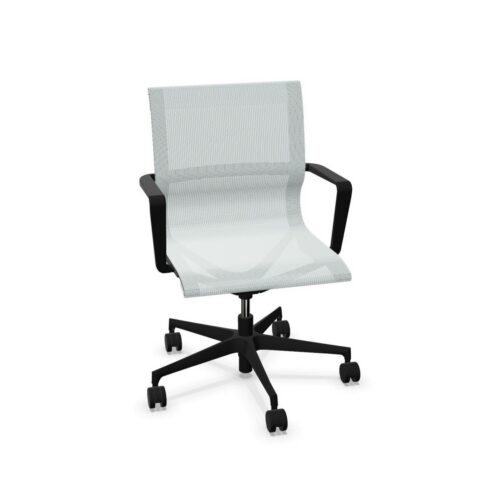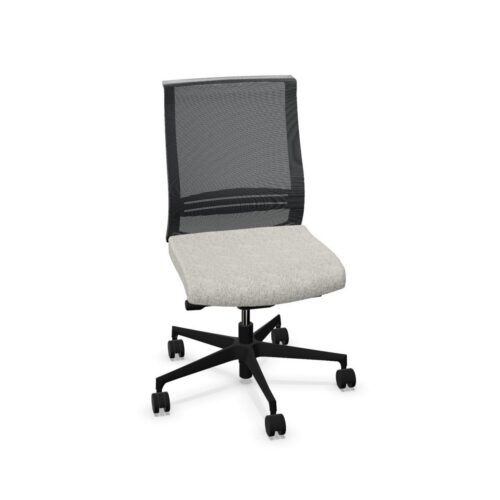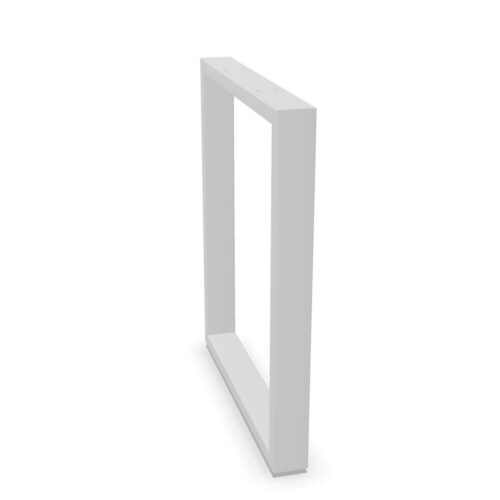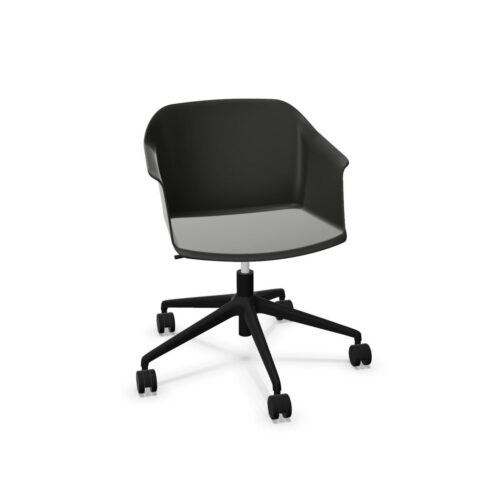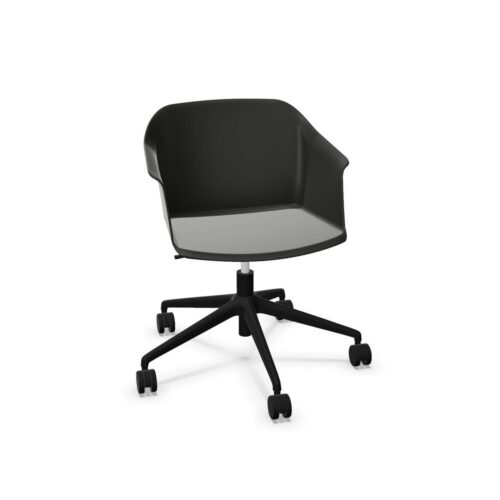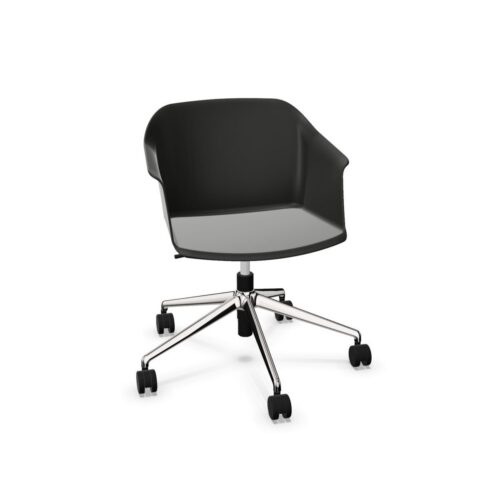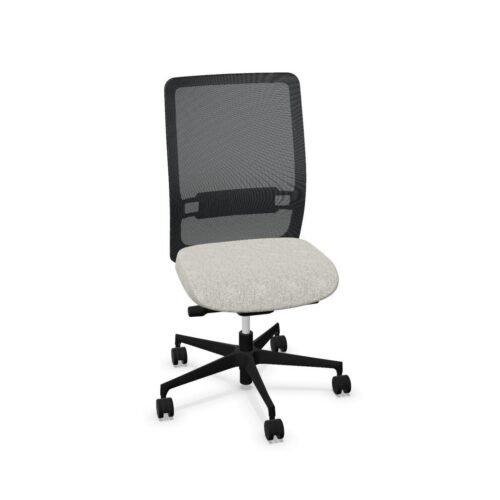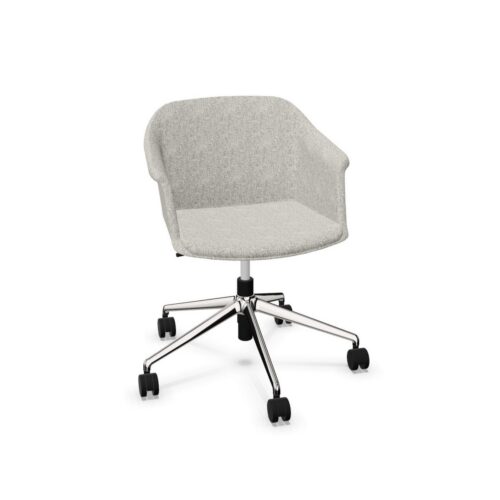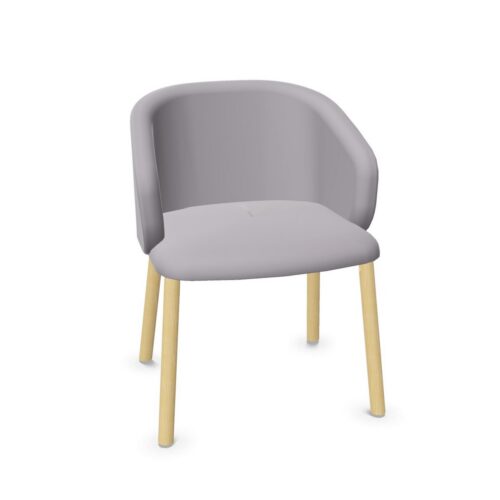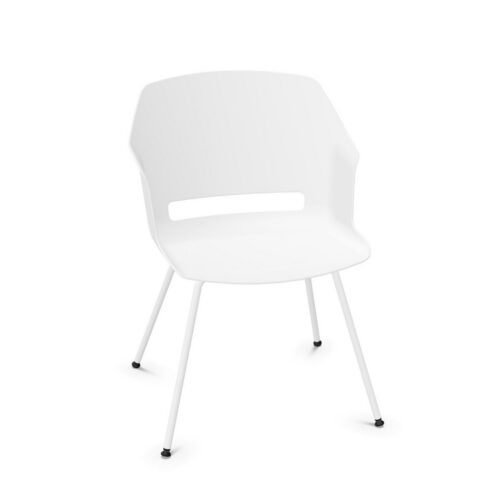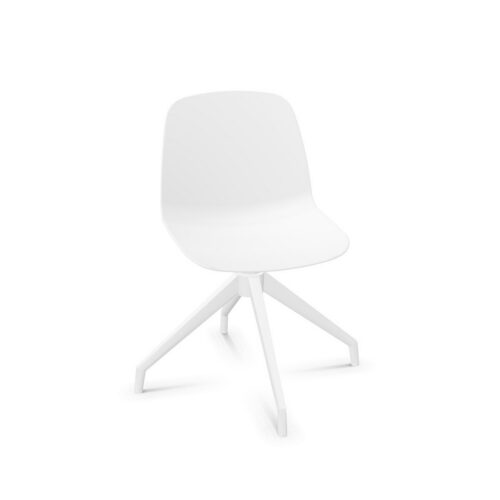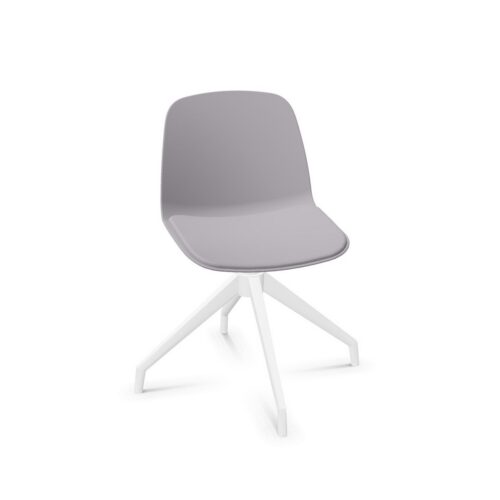


Plastic-base office furniture brings together workplace products where the supporting base, frame or legs are made from plastic. This filter refers specifically to the structural lower element of an item; it does not describe its overall colour, upholstery, desktop, shell or other surface materials.
Plastic bases appear across a broad range of workplace settings, particularly where furniture needs to be practical, easy to move, visually uncomplicated or suited to regular day-to-day use. As with any material filter, the individual product specification remains important: construction, intended use, dimensions and other components can vary between listings.
What does a plastic base material mean?
A plastic base is the part that supports the furniture on the floor or connects key components at the bottom of the product. Depending on the design, this may be a pedestal base, a set of legs, a lower frame or another supporting structure. On seating, it may form the central base or lower support; on other furniture, it may be used for feet, leg assemblies or framework.
This classification is about the base material only. A chair with a plastic base may have a fabric, mesh, plastic or upholstered seat and back. Equally, a product may have a black plastic base without being categorised by overall colour as black. Checking each listing helps procurement teams confirm the materials relevant to their brief.
Why base material matters in workplace planning
The material used below an item affects how it looks alongside neighbouring furniture, how it is handled in use and how it fits within a wider interior specification. Plastic can provide a clean, contemporary finish and may be appropriate for spaces where a lighter visual presence is preferred.
- It can help create a consistent look when similar lower-frame finishes are used across a room.
- It is often considered for furniture that will be repositioned between desks, meeting areas or shared spaces.
- It can complement practical, informal or customer-facing interiors without introducing a metallic appearance.
- It gives buyers a clear material criterion when matching new leased furniture to existing workplace pieces.
Material choice should sit alongside functional requirements. The number of users, frequency of movement, floor type, cleaning regime and layout all influence whether a particular product is suitable.
Furniture commonly available with plastic bases
Plastic supporting components are found on a variety of office and commercial furniture designs. The exact product mix on this archive can change, but the filter can be useful when reviewing seating and other items with plastic structural elements.
Typical applications may include task seating, visitor chairs, stools, breakout seating and selected tables or occasional furniture. Some designs use plastic for the complete lower structure, while others combine it with different materials elsewhere in the product. A base can also differ in form: a five-star chair base, four-legged frame and moulded pedestal are all distinct solutions.
Where plastic-base furniture can work well
Plastic bases can suit agile workplaces, project rooms, training areas and shared office environments where the furniture needs to support changing patterns of use. They can also be considered for reception-adjacent spaces, collaboration zones and staff areas, subject to the demands placed on each item.
- Desking areas: choose seating bases that suit the required adjustment features, user profile and floor finish.
- Meeting rooms: coordinate chair bases with table legs, screens and storage for a more considered visual scheme.
- Breakout spaces: consider the balance between informal appearance, comfort and the expected duration of use.
- Learning and training rooms: prioritise layouts that are straightforward to reset when groups or room formats change.
For a mixed-material scheme, plastic-base products may sit alongside timber, metal or upholstered furniture. Looking at finish, form and proportion across the space is usually more useful than matching every component exactly.
How to choose the right option
Start with the product’s purpose rather than the base material alone. A workstation chair may require different capabilities from a chair intended for brief meetings, while a stool or occasional chair will have its own space and usage considerations. Review the product description for the full construction and the features that matter to your workplace.
Questions to consider
- Which part of the product is plastic: the complete base, the legs, feet or a connecting frame?
- Will the furniture remain in one position, or be moved and rearranged regularly?
- What floor surface will it sit on, and are there site-specific requirements for protecting that finish?
- Does the item need to coordinate with an existing furniture palette or a new fit-out specification?
- Are dimensions, seat height, mobility and adjustment functions appropriate for the intended users?
- Is the product being selected for focused work, short stays, meetings, training or informal use?
Care and longer-term use
Routine care should follow the guidance provided for the individual product and its complete mix of materials. In general, keeping bases clear of dirt, checking contact points with the floor and avoiding unsuitable cleaning products can help maintain their appearance. For mobile furniture, inspect moving components and wheels as part of normal workplace maintenance.
Thoughtful placement and everyday care can also support continued use when teams move offices, refresh layouts or adapt their workplace. Myntwork’s guide on how to extend the lifespan of office furniture offers wider considerations for keeping furniture in service for longer.
Planning a coordinated furniture specification
Base material is one useful filter within a larger procurement process. Combine it with product category, dimensions, finish, function and layout needs to build a practical schedule of furniture. It can be helpful to review circulation routes, desk spacing, meeting capacity and the visual relationship between seating, tables and storage before finalising a selection.
For broader guidance, see Myntwork’s advice on choosing office furniture. Related products can also be viewed across the office furniture collection, where category pages provide a starting point for desks, seating, meeting furniture and workplace accessories.

Bralco