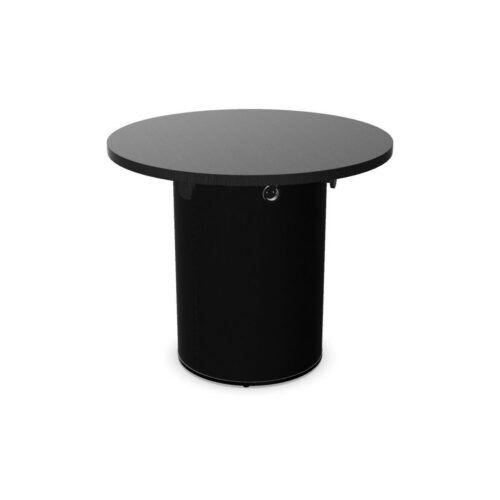
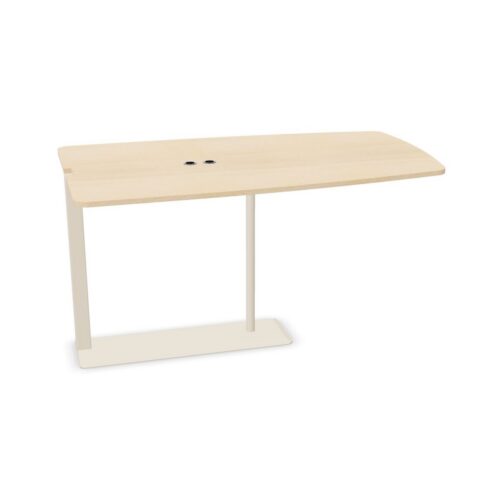
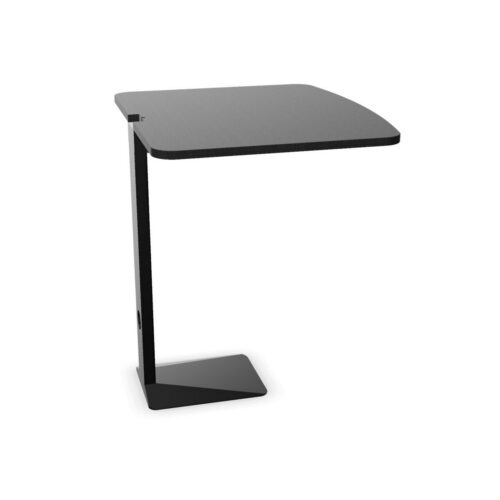
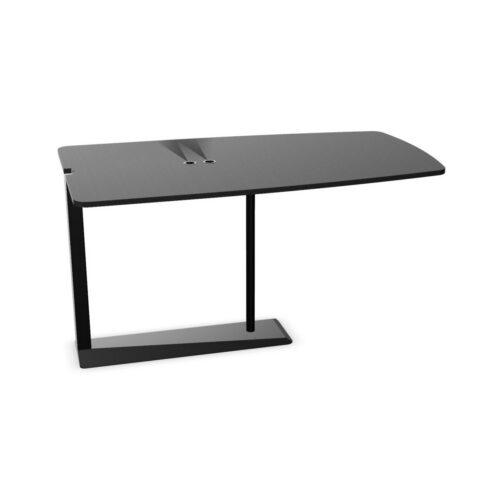
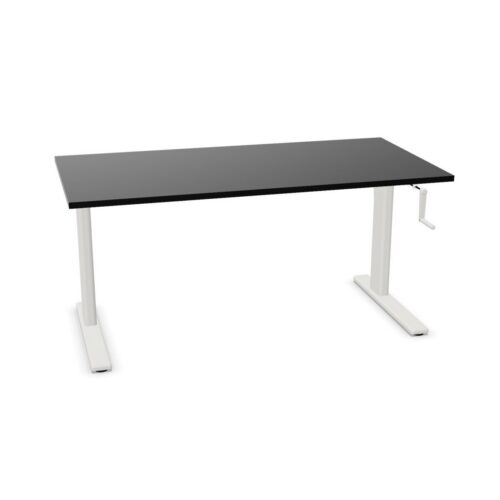
Office furniture with steel bases brings a common structural material to desks, meeting tables and seating. The base is the part of the furniture that meets the floor and supports the elements above it, but its design can vary considerably. A steel desk frame, a table underframe and a chair base each need to work with a different pattern of use. Start with the furniture’s purpose, then consider how the steel structure fits the space around it.
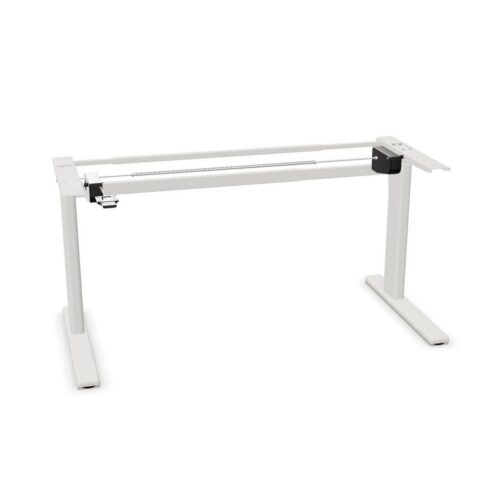
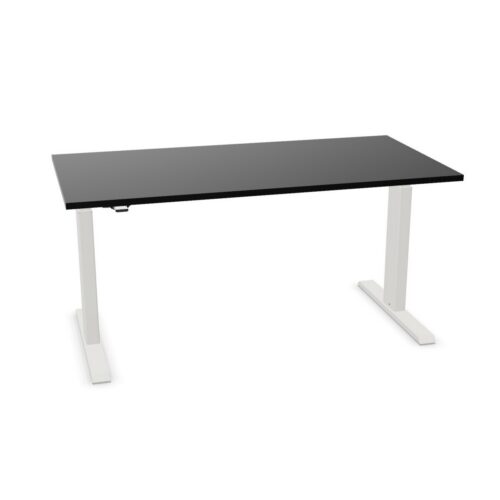
Steel frames beneath working desks
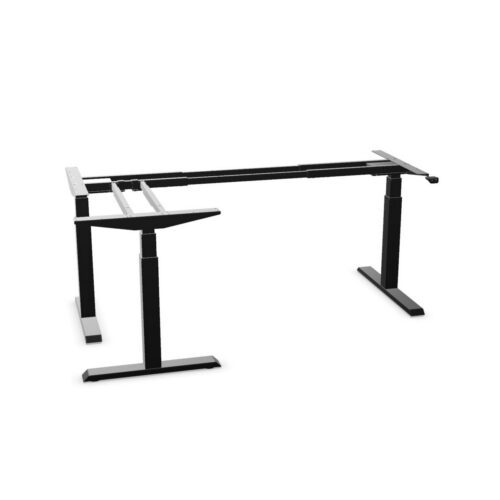
At a workstation, the frame influences where the user can sit, how a chair moves under the surface and where nearby storage can be placed. Look at the position of the legs, any crossmembers and the clear area beneath the desktop. Those details can matter as much as the outline of the desk when people are working there throughout the day.
Office furniture with steel bases includes different desk arrangements, so the material should not be taken as a description of the mechanism. A steel frame may form part of a fixed desk or an adjustable workstation. Compare the actual adjustment specification where relevant, and check that equipment, screens and cable routes suit the selected frame rather than assuming all steel desks work alike.
Leg placement around a meeting table
A meeting table needs space for people to approach from several sides. Examine where a steel base sits relative to the intended chair positions. Corner legs, intermediate supports and central structures can each lead to a different seating arrangement. Think about where users place their feet and how chairs can be drawn up to the edge.
For a longer table or a group of adjoining tables, consider the whole layout. A leg that is unobtrusive at the end of one table may sit directly in front of a person when another table is added. Review how the bases align before settling on the furniture arrangement, particularly where the room changes between individual meetings and larger team sessions.
Steel bases in chairs and lounge seating
The seating side of office furniture with steel bases needs a separate comparison. A four-leg meeting chair, a stool and a lounge seat can all use steel below the seat while offering very different sitting positions. The base material alone does not establish whether the chair swivels, rolls, stacks or reclines. Treat each of those features as its own specification.
Look at how the base sits on the floor and whether its footprint suits the planned chair positions. In a reception space, consider the relationship between lounge seating and nearby tables. Around a meeting table, check the clearance between chair bases and table legs. This keeps the material choice connected to the way people will move through the room.
Coordinate structure and visible finish
Steel is a material description, not a finish color. Office furniture with steel bases may have different visible finishes, so compare the surface treatment of the selected model with the rest of the scheme. A dark frame, a light frame and a metallic appearance can create different relationships with wood, upholstered seating and floor finishes.
Where several furniture types share a room, decide which details should relate to one another. It may be the color of the lower structure, the shape of the legs or the visual weight of the base. Repeating one clear feature can make desks, tables and seating sit comfortably together without requiring every frame to use exactly the same geometry.
Plan floor contact, equipment and everyday use
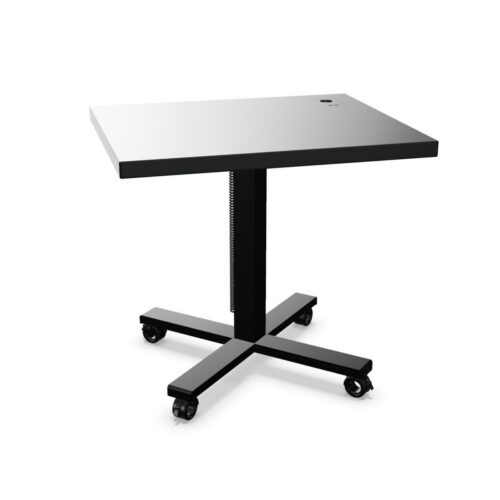
Consider the floor surface when assessing glides, feet or castors, where they are included. Review the manufacturer’s guidance for the particular contact components and finish. Cleaning requirements also belong to the finished product specification: the steel material label does not identify every coating or establish a single maintenance method for all items.
Choose office furniture with steel bases by bringing those practical details together. For desks, focus on working clearance and equipment. For meeting tables, focus on seating positions and the table arrangement. For chairs and lounge pieces, focus on the intended sitting position and surrounding circulation. The material gives the selection a clear starting point; a considered base design makes it useful in the finished workplace.