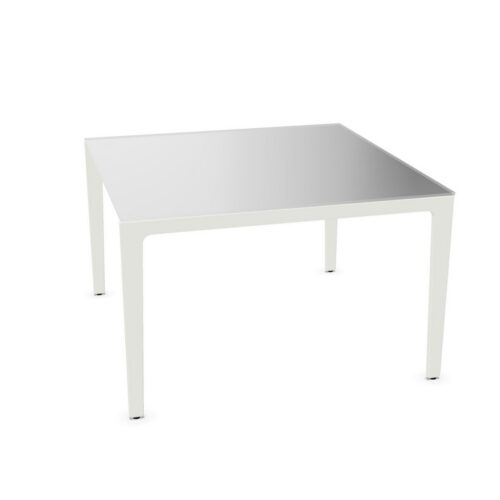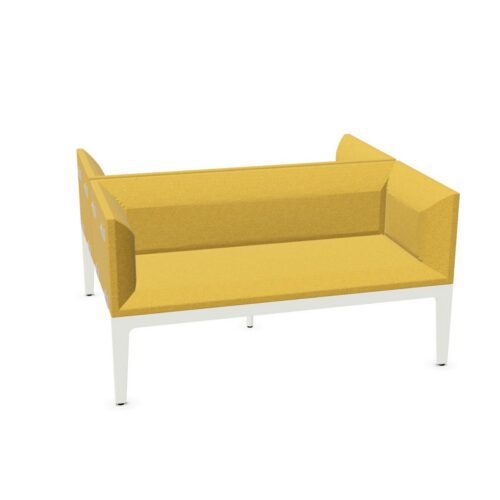


Steel-base office furniture includes products with a supporting base, frame or set of legs made from steel. This attribute relates specifically to the structural element beneath or around the item; it does not necessarily describe the material of the worktop, seat, storage body or visible finish.
Steel is widely used across workplace furniture because it can provide a stable, practical foundation for desks, tables, seating and storage. On this page, buyers can compare furniture specified with a steel base when planning a coherent, hard-working office environment.
What does a steel base mean?
A steel base is the load-bearing framework that supports a piece of furniture. Depending on the product, it may take the form of desk legs, a table pedestal, a sled base, a four-leg frame, a cantilever frame or an understructure fixed beneath a work surface.
The base may be exposed as part of the design or partly concealed by other materials. Its colour and coating can also vary, so a steel-base item is not automatically metallic in appearance, nor does it imply a particular overall colour. Check the individual product specification where the appearance of the frame matters to the scheme.
Why steel frames are common in offices
Office furniture often needs to accommodate everyday movement, changing layouts and repeated use. Steel provides a robust material for frames while allowing manufacturers to produce a broad range of base shapes and configurations. It can suit both individual workstations and larger shared settings.
- It provides a stable structural basis for desks, meeting tables and other work surfaces.
- It supports clean-lined frame designs, from simple four-leg tables to more engineered benching systems.
- It can be finished in different colours to coordinate with tops, upholstery and interior details.
- It is used across many furniture categories, helping procurement teams maintain material consistency where appropriate.
The practical value of a steel base still depends on the complete product design, including dimensions, construction, intended use and the surface on which it will stand.
Where steel-base furniture is used
Steel-framed furniture appears in a wide variety of professional spaces. In open-plan offices, steel desk frames and bench legs can create a consistent visual rhythm across a bank of workstations. In meeting areas, steel table bases can support tops in different shapes and materials while keeping the underframe visually restrained.
It is also common in reception, breakout, training and project spaces, where tables and chairs may be moved or rearranged more frequently. In focused work areas, a steel base can be found beneath desks, task seating and occasional tables. The most suitable configuration will depend on circulation routes, cable requirements, the number of users and how the room is expected to change over time.
Furniture types with steel bases
This filter can include several product types rather than one single furniture category. A steel base should therefore be considered alongside the item’s primary function and other specification filters.
- Desks, including individual workstations, bench desks and height-adjustable designs.
- Meeting, boardroom, café and breakout tables.
- Office chairs, visitor chairs and stools with steel leg or sled-base constructions.
- Storage, display and occasional furniture with steel frames or supporting legs.
- Collaborative furniture designed for shared work, training or informal meetings.
Not every product with this attribute will share the same base style. Review product imagery and details to establish whether the frame layout, leg position and clearance beneath the furniture work for the intended location.
How to choose a steel-base design
Start with the task the furniture needs to support. A desk base should allow appropriate room for users, chairs and any under-desk equipment. For a meeting table, consider seating positions and whether the base placement leaves enough legroom around the perimeter. In shared spaces, think about how a frame affects access, cleaning and reconfiguration.
Then assess the visual relationship between the steel base and the rest of the furniture. A painted frame can provide contrast with a timber-effect or light-coloured top, while a darker base may align with existing fittings. If a project has a defined palette, use the relevant colour and finish information in the product specification rather than assuming the base colour from the material alone.
Questions to consider
- What load, size and number of users is the furniture designed to accommodate?
- Does the leg or pedestal arrangement provide suitable knee, foot and chair clearance?
- Will the frame position work with floor boxes, power access and cable management?
- Is the base finish appropriate for the surrounding furniture and workplace aesthetic?
- Will the product remain suitable if the layout or team size changes?
Planning for long-term workplace use
Material selection is one part of a longer-term procurement decision. Matching the furniture to its setting, using it as intended and retaining product information can all support informed maintenance, reuse and future reconfiguration. A steel base may be only one component of the item, so assess the condition and serviceability of the complete piece when reviewing an existing estate.
For practical considerations around care, retention and circular workplace planning, see Myntwork’s guidance on how to extend the lifespan of office furniture. It can help teams consider furniture beyond the initial installation and make decisions that fit changing requirements.
Related office furniture ranges
Use this attribute alongside category, size, colour, finish and functional filters to narrow a specification. For wider planning guidance, read our resource on choosing office furniture, then browse the full office furniture collection to compare desks, seating, tables, storage and workplace accessories.