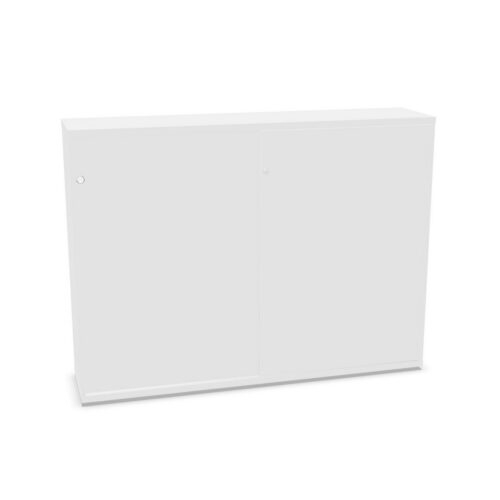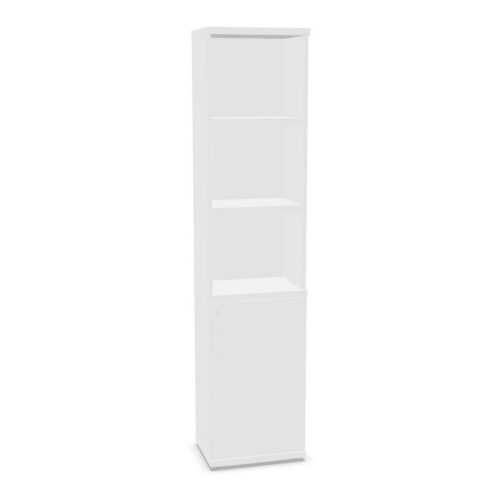


Metal cabinet furniture refers to storage units whose main cabinet body is made from metal. On this page, that describes the primary enclosure rather than details such as handles, legs, internal fittings or a separate worktop. It is a useful specification for workplace teams comparing storage that needs to suit day-to-day office use, shared environments and changing layouts.
Metal-bodied cabinets appear across a broad range of office furniture, from personal lockers and filing cabinets to cupboards, pedestals and larger storage systems. The products shown may differ in dimensions, configuration, finish, locking arrangements and intended use, so the individual product description remains the right place to confirm the details required for a particular project.
What does cabinet material: metal mean?
This attribute identifies metal as the material used for the main body of the cabinet. In practical terms, it concerns the structural housing around the drawers, doors, shelves or compartments. It does not necessarily mean that every visible component is metal, nor does it define the material of any accompanying desk, top panel, seat or accessory.
For procurement, recording the cabinet body material can make it easier to compare like with like. It helps facilities teams build a schedule of furniture with consistent material information, particularly when storage is being selected for more than one room or site.
Why metal cabinets are considered for workplaces
Metal is widely used for office storage because it is suited to cabinet construction and can work in both individual and shared-use settings. A metal body can give a storage unit a clear, purposeful appearance, whether it is placed beneath a workstation, along a wall or within a dedicated storage area.
- It is a familiar material choice for filing, locker and cupboard formats.
- It can support a coordinated look across storage pieces in a workplace.
- It is appropriate to consider where furniture will receive frequent everyday use.
- It offers an alternative to wood-based cabinet bodies when planning a mixed-material interior.
- It can be useful for projects where cabinet material needs to be clearly documented.
The suitability of a particular unit will depend on more than material alone. Capacity, access requirements, room conditions and the nature of the items being stored should all be assessed alongside the specification.
Common uses for metal-bodied storage
Metal cabinet furniture can be used in a variety of professional environments. In open-plan offices, it may provide nearby storage for paperwork and work materials. In reception, back-of-house or team areas, cupboards and lockers can help create a defined place for shared supplies and personal belongings.
Typical settings include:
- Administrative offices with a need for filing or document storage.
- Hybrid workplaces that provide assigned or shared personal storage.
- Meeting-room support areas for stationery, equipment or presentation materials.
- Operations spaces where supplies need to be organised and accessible.
- Education, healthcare, studio and public-facing environments, subject to the requirements of the individual setting.
Where confidential records, personal items or controlled equipment are involved, review the product’s locking and access features rather than assuming these are included because the cabinet body is metal.
Furniture types available with metal cabinet bodies
The metal cabinet material filter may cover several storage categories. A compact drawer pedestal can serve a different purpose from a full-height cupboard, even though both use metal as the main cabinet material. Checking the product type first helps narrow the selection to furniture that fits the available footprint and storage task.
Relevant products may include filing cabinets, drawer units, lockers, sideboards, storage cupboards and mobile pedestals. Some units are intended for individual use at a desk, while others are designed to support a team, department or shared room. Internal shelf layouts, drawer sizes and door configurations should be considered in relation to the items that will be stored.
Choosing a metal cabinet for your space
Begin with the purpose of the storage. Papers, lever-arch files, personal possessions, IT peripherals and cleaning or stationery supplies all require different levels of capacity and access. Measure the intended location, including circulation space around doors and drawers, before selecting a cabinet footprint.
Also consider how the cabinet will sit within the wider furniture scheme. Its dimensions, colour, finish and base or castor arrangement can affect how well it works alongside desks, seating and partitions. A consistent material approach may be helpful, but it is not the only way to create a coherent workplace.
Questions to consider before specifying
- What needs to be stored, and how often will it be accessed?
- Is the unit for one person, a small team or general shared use?
- Will drawers or doors need clear space to open safely?
- Is a lock required, and who needs access?
- Does the selected size suit the room layout and surrounding furniture?
- Are colour, finish and other visual details important to the project?
- Will the unit remain in one location or need to be repositioned as the office changes?
Planning for use and longevity
A well-considered storage plan can help furniture remain useful as teams, workflows and office layouts evolve. Choose a cabinet size and configuration that meets the current requirement without making access or circulation difficult. For movable furniture, check whether mobility features are listed; for fixed positions, make sure the location can be reached easily for cleaning and maintenance.
Every cabinet should be used and maintained in line with its product guidance. Avoid overloading shelves or drawers, use handles and locks as intended, and keep the storage area suitable for the materials being held. Guidance on how to extend the lifespan of office furniture can support broader decisions around care, reuse and long-term workplace planning.
Coordinating cabinet material with an office scheme
Cabinet material is one part of a larger specification. When comparing metal-bodied storage, it can be helpful to review the full product information alongside associated attributes such as dimensions, overall finish, number of compartments and product category. This approach avoids treating one material field as a complete description of the furniture.
For wider layout and specification considerations, see Myntwork’s guidance on choosing office furniture. You can also browse the broader office furniture collection to compare storage with desks, seating and other workplace ranges that may be relevant to your project.
Actiforce