

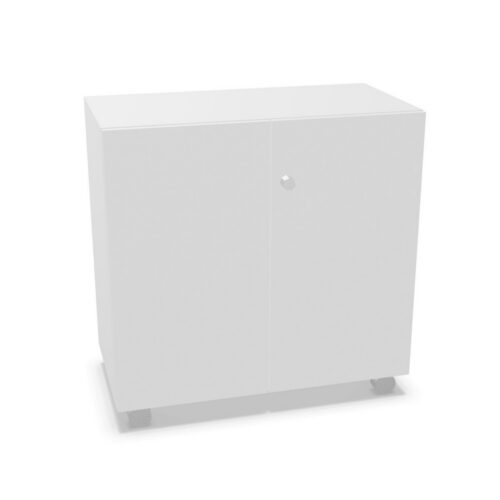
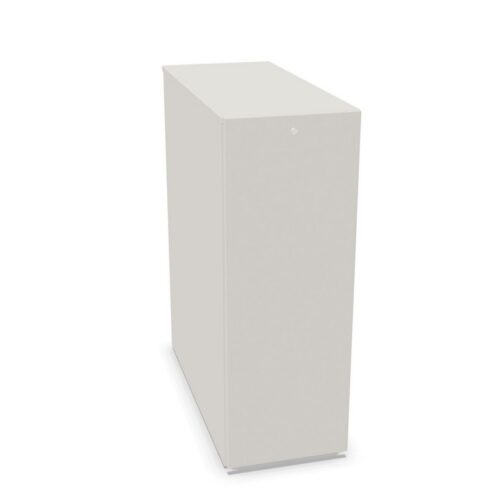
Acoustic Office Cabinets

Acoustic office cabinets can be considered as part of a workplace plan where acoustic characteristics matter alongside storage. Start by reviewing the specific product details and the needs of the room; the category alone does not establish a measurable acoustic result. Also define what the cabinet should hold, who will use it and how access should work throughout the day.

The room brief and the storage routine should both guide the comparison.

Relate the acoustic brief to confirmed product details and to the cabinet’s everyday storage role.

Compare the documented interior arrangement, opening style and placement guidance with the storage task. If the office has specific acoustic requirements, confirm the product information against that brief. This helps select acoustic office cabinets based on both their stated characteristics and their practical role.

3 models
From €21.67 p/m
12 models
From €4.33 p/m
€19.82 p/m
7 models
From €11.23 p/m
6 models
From €14.62 p/m
3 models
From €17.53 p/m
€17.42 p/m
€14.39 p/m
€17.06 p/m
€21.38 p/m
€24.31 p/m
4 models
From €9.39 p/m
5 models
From €6.19 p/m
4 models
From €6.83 p/m
4 models
From €10.74 p/m
5 models
From €13.57 p/m
4 models
From €12.32 p/m
15 models
From €16.52 p/m
5 models
From €44.10 p/m
2 models
From €15.19 p/m

Review acoustic office cabinets against the room brief

Consider why acoustic characteristics matter in the intended space and what the wider project requires. Review the individual product information for details that describe the cabinet’s acoustic designation. Do not infer a specific noise reduction, sound absorption or other performance result from the category alone. If the room has defined acoustic criteria, compare confirmed product details with those requirements.

Also assess how the cabinet will function as storage. Identify the materials, users and access pattern, then review the interior arrangement and opening method. Acoustic considerations do not remove the need to choose a layout that works for the office. A clear brief helps the team evaluate both the cabinet’s stated characteristics and its day-to-day use.

Plan storage and access together

Think about what the cabinet will hold and whether contents are shared or assigned to a group. Check the specific interior description and consider whether it supports that plan. Determine who needs access and how frequently. The cabinet’s position should allow those users to reach it while fitting the broader room arrangement.

If colleagues share the unit, agree how items will be organised and returned. A consistent routine can help keep the cabinet useful without adding unnecessary steps. Consider who will maintain the contents and how the setup may change as work evolves. This practical planning gives acoustic office cabinets a clear role in the workplace beyond their designation.

Coordinate placement with workplace needs

Map the cabinet’s location against nearby workstations, routes and other furniture. Consider the opening method and how people will approach the unit. Follow product-specific placement guidance, and review how the cabinet fits the room’s overall acoustic and storage plan. Where performance requirements are important, seek confirmation from the product information rather than relying on assumptions.

Compare each candidate using the same criteria: stated acoustic characteristics, interior configuration, access and location. Confirm details that remain uncertain before finalising the choice. A well-considered cabinet should support its intended storage role while fitting the broader room brief. This makes it easier to judge whether an acoustic office cabinet is appropriate for the particular workplace.

Ask which acoustic criteria matter to the project and what evidence is needed to assess them. The category can guide the search, but it does not replace product-specific confirmation. Consider the room’s use, the surrounding furnishings and how the cabinet will be positioned. If the project requires a defined performance level, confirm that the product meets it through the relevant documentation. Keeping those questions separate from storage layout helps the team make a more reliable decision.

Discuss the decision with the people who manage the room and the people who will use the cabinet. Their needs may differ, so record the agreed storage role and the questions that require product confirmation.

Frequently asked questions about acoustic office cabinets

Does the acoustic designation guarantee a specific result?

No. Review product-specific information and compare it with any defined acoustic criteria for the room.

What else should I consider?

Check the cabinet’s interior, opening style, intended contents and location so its storage role is practical.

How should I compare acoustic options?

Use confirmed product details and the project brief. Avoid assuming a particular performance based only on the category name.

Explore related selections