


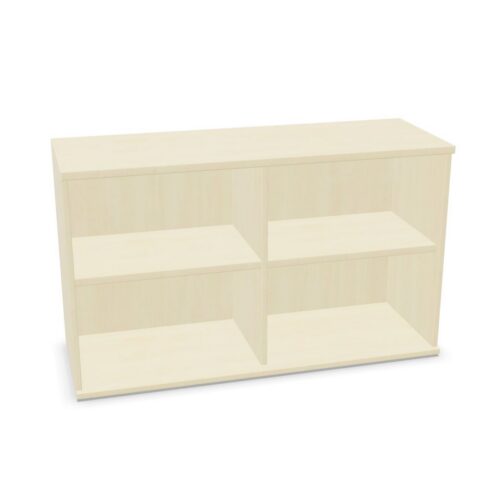
Keep a ten-shelf arrangement manageable
A cabinet with ten shelves can separate multiple categories, but more divisions are only useful when they reflect actual work. Group items by a clear principle, such as task or team, and avoid assigning separate areas where colleagues will not see a practical difference. Review the product’s full interior and consider whether the shelves support the categories planned. A thoughtful structure can make a detailed arrangement easier to understand.
For shared storage, document the purpose of each group and explain how materials should be returned. Users should be able to follow the arrangement without having to consult one person every time. Decide who will review the contents and remove items that no longer belong. This simple upkeep can prevent a multi-level cabinet from becoming cluttered or difficult to navigate.
Match cabinet details to the materials
Consider the types of items the cabinet will hold and how often people need to access them. Compare the product’s described interior and opening method with those requirements. Do not assume that every ten-shelf cabinet has an identical layout; verify the specific configuration and how users can reach the shelves. Product-level information is important when planning a detailed storage system.
If some materials are accessed more frequently than others, consider how the team will place them within the arrangement. Keep commonly used items convenient for their users and make less frequent materials easy to identify. The cabinet should support a routine that is practical in the available office space. A detailed shelf plan works best when it reflects the way materials move through the workday.
