

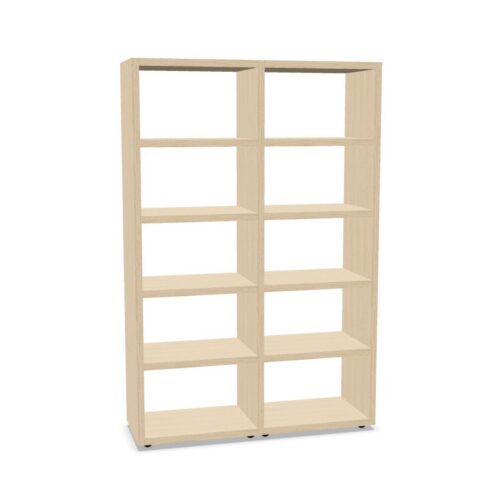
Cabinets with Eight Shelves and Acoustic Attribute No

Cabinets with Eight Shelves and Acoustic Attribute No

This filter group contains cabinets listed with eight shelves and a “no” acoustic value. The shelf count does not describe the compartment sizes, and the acoustic field is a catalogue attribute rather than a sound measurement. Check the exact product specification. Confirm shelf positions, loading advice and the meaning of the acoustic attribute for the exact model. Compare actual interior measurements with planned contents, confirm shelf adjustment options and check access for users. Use technical documents if sound performance is part of the brief. Also confirm load limits and how the shelves can be adjusted.

Confirm which shelves are supplied and whether their positions can change. If acoustic requirements matter, consult manufacturer documentation for the selected cabinet rather than interpreting the filter as a performance result.

Plan contents and user access, compare cabinet dimensions and follow loading and care guidance.

10 models
From €4.78 p/m
23 models
From €5.17 p/m

Interpret the acoustic value

A “no” value is not a test or quantified result. It does not establish how a cabinet behaves in a room. For a project with sound-related criteria, review documentation that identifies the exact model and explains the relevant evidence.

Keep technical information tied to product and installation conditions. If the brief has no acoustic requirement, focus on verified storage and construction details. Revisit the documentation if the product or context changes.

Check eight-shelf spacing

Review product drawings to understand shelf positions, compartment height and adjustability. A count of eight does not show equal spacing or capacity. Confirm which components are included and what loads are permitted.

Measure the intended folders, containers or supplies and compare them with clearances. Place frequent-use materials where they are accessible, and avoid overloading or blocking shelves.

Organise multiple levels

Assign a purpose to each shelf and use labels or a simple index for shared users. Remove items that no longer belong and refresh categories after work changes. A clear plan prevents a high shelf count from becoming difficult to navigate.

Check that users can reach each level safely and make sure loading guidance is followed. Review the arrangement after a room move or change in team responsibilities.

Measure and install

Check the cabinet footprint, interior dimensions, door clearance and delivery route. Review assembly and installation instructions. Ensure that users can access all shelves from the proposed location.

After setup, verify shelf stability, door movement and circulation. Retain loading and care information with the model reference for future maintenance.

Compare full specifications

Review shelf spacing, interior capacity, construction, access, loading and care. If acoustic information matters, keep supporting documents linked to the exact cabinet.

For a replacement, verify actual shelf layout and technical details again. A matching filter pair does not guarantee an equivalent product.

Ongoing use and records

Review the eight-shelf plan after team changes and keep product evidence connected to the selected model. Verify installation conditions if technical information is used. A useful cabinet record should identify the model, shelf arrangement, load guidance and any technical documents that informed selection. Keep the acoustic field separate from verified evidence and review both after a move or product substitution. For daily use, give each shelf a category, make labels readable and assign someone to remove obsolete materials. Check that users can reach all levels comfortably. These practical checks can make an eight-shelf arrangement useful without assuming equal compartments or a sound-related result from the catalogue. After setup, test shelf reach and door movement. Keep a contents guide for shared users and update it when the room changes. A review routine helps keep a large shelf count usable. Check whether each level has current contents, whether users can retrieve materials without obstruction and whether labels remain accurate. Remove archived or obsolete items and make sure heavy supplies follow product guidance. If the cabinet is being used in a project, keep technical evidence and installation conditions in the record. Avoid passing a conclusion to a replacement based only on the acoustic “no” value. Reconfirm the actual model details whenever the product changes. Keep model documentation accessible for future product checks. After installation, check that the shelf categories remain useful and that all levels are accessible. Review contents as work changes and keep the model details current.

Frequently asked questions

Are all eight shelves equally spaced?

Not necessarily. Check the product drawings and measurements.

Does acoustic “no” measure sound?

No. It is catalogue data, not a performance result.

How can eight shelves stay usable?

Label categories, consider reach and review contents regularly.

Explore related selections