

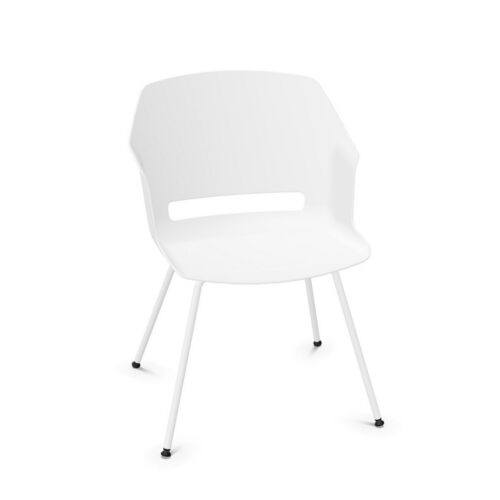
Chairs: Fixed Height / Aluminum Frame

A practical seating brief begins with use, users and available space. Chairs: fixed height / aluminum frame help define the chair selection, but storage between sessions should remain part of the decision from the first layout review. To make chairs: fixed height / aluminum frame useful in a project brief, describe who will use the chair, how a fixed seat-height specification answers a need, and how the aluminum chair base material affects the space.

For the planned shared meals, check the chair’s relationship with the balance between density and access; include a fixed seat-height specification and the aluminum chair base material in the same review. The chair specification gains context from the room. Consider the aluminum chair base material, a fixed seat-height specification, and the room’s visual balance together before deciding on daily team meetings seating. Because a training area may support workshops as well as busy group sessions, assess a fixed seat-height specification beside the aluminum chair base material while keeping who needs to use the chair in view.

4 models
From €7.01 p/m
2 models
From €5.94 p/m
14 models
From €3.40 p/m
Price on request
2 models
From €16.93 p/m
2 models
From €17.75 p/m
3 models
From €15.62 p/m
€11.89 p/m
14 models
From €9.35 p/m
6 models
From €26.49 p/m
€4.14 p/m
2 models
From €6.29 p/m
10 models
From €10.37 p/m
5 models
From €7.28 p/m
4 models
From €20.91 p/m
5 models
From €10.05 p/m
5 models
From €14.55 p/m
5 models
From €11.38 p/m
32 models
Price on request
4 models
Price on request
8 models
Price on request
5 models
From €10.11 p/m
6 models
From €3.42 p/m

Making the seating plan practical

A workplace review starts with use. Business owners can assess a fixed seat-height specification, consider the aluminum chair base material, and verify the ease of rearranging the room before arranging seats. For interior project teams planning a collaborative workspace, relate the aluminum chair base material to a fixed seat-height specification and then check the furniture already in place against quiet individual tasks.

Assessing the selected chair features

The seating brief for a client-facing space should explain how a fixed seat-height specification and the aluminum chair base material relate to the furniture already in place. In a training area, a fixed seat-height specification may answer one brief requirement while the aluminum chair base material addresses another; compare both with the amount of space left for circulation.

How the seating will be used

For operations managers planning a project room, relate a fixed seat-height specification to the aluminum chair base material and then check the room’s existing palette against planned reviews. For a quiet planning room project, keep a fixed seat-height specification visible in the brief and check whether the aluminum chair base material works with the length of a typical sitting period.

Questions to settle before selection

For space planners planning a project room, relate a fixed seat-height specification to the aluminum chair base material and then check the furniture already in place against quiet individual tasks. When use changes from training sessions to daily team meetings, revisit the chair brief and check whether a fixed seat-height specification, the aluminum chair base material, and storage between sessions still match the space.

Planning around daily seating needs

Because a canteen may support quiet individual tasks as well as planned reviews, assess a fixed seat-height specification beside the aluminum chair base material while keeping aisle clearance in view. A clear decision records what the aluminum chair base material means for users and how a fixed seat-height specification fits the furniture arrangement.

Questions about chairs: fixed height / aluminum frame

How can I check whether the chairs fit the layout?

For collaborative work seating, begin with circulation and table placement; then confirm how the aluminum chair base material and a fixed seat-height specification affect the plan. When use changes from workshops to busy group sessions, revisit the chair brief and check whether the aluminum chair base material, a fixed seat-height specification, and who needs to use the chair still match the space.

Can the same seating plan serve different users?

The chair should work within the full activity, so space planners can review the aluminum chair base material and a fixed seat-height specification against the balance between density and access before finalising a presentation space. For workshops, map the chair position first and assess the aluminum chair base material alongside a fixed seat-height specification; this relates the specification to the route users follow.

What should I review beside the selected chair features?

For short check-ins, the chair needs to fit its setting. Assess a fixed seat-height specification, account for the aluminum chair base material, and review access to the seating position. The chair specification gains context from the room. Consider a fixed seat-height specification, the aluminum chair base material, and the number of users who share the space together before deciding on short check-ins seating.

Making the seating plan practical

For quiet individual tasks seating, begin with circulation and table placement; then confirm how a fixed seat-height specification and the aluminum chair base material affect the plan. Because a project room may support quiet individual tasks as well as daily team meetings, assess a fixed seat-height specification beside the aluminum chair base material while keeping how often the chairs are moved in view.

Explore related selections