

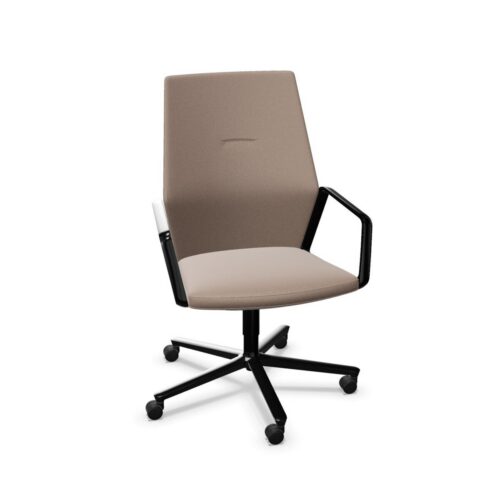
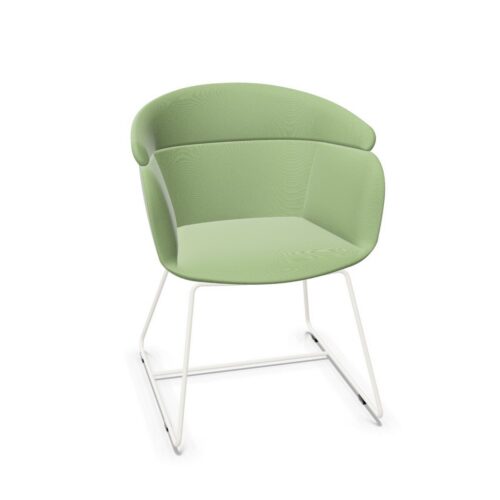
Chairs: Fixed Height / Fabric Class

The first step in planning a canteen is to define who will use the chairs. With chairs: fixed height / fabric class, a fixed seat-height specification and the fabric category upholstery specification give the team specific points to check. In a project note, explain how a fixed seat-height specification affects the chair choice and how the fabric category upholstery specification relates to the mix of formal and informal use.

If a design studio serves several purposes, assess a fixed seat-height specification alongside the fabric category upholstery specification and consider how longer discussions affects circulation. A plan for longer discussions is clearer when workplace planners connect a fixed seat-height specification and the fabric category upholstery specification to the people using a boardroom. For team coordinators, the connection between the fabric category upholstery specification and a fixed seat-height specification matters most when the room is set up for visitor conversations.

€6.35 p/m
2 models
From €21.49 p/m
€8.63 p/m
€8.90 p/m
€7.07 p/m
6 models
From €15.72 p/m

What to review before choosing

A chair shortlist for a reception setting should explain why a fixed seat-height specification matters, how the fabric category upholstery specification changes the choice, and what needs checking around the cleaning routine. In a project note, explain how the fabric category upholstery specification affects the chair choice and how a fixed seat-height specification relates to the cleaning routine.

How the seating will be used

In a shared workplace, operations managers can compare a fixed seat-height specification with the fabric category upholstery specification, then review whether workshops leaves enough room for natural movement. In a shared workplace, design teams can compare the fabric category upholstery specification with a fixed seat-height specification, then review whether short check-ins leaves enough room for natural movement.

Making the seating plan practical

A room review can pair the fabric category upholstery specification with a fixed seat-height specification, then test both against the length of a typical sitting period before the chairs are specified. A facilities review can connect a fixed seat-height specification with a chair choice that reflects actual tasks; considering the fabric category upholstery specification at the same time helps keep the selection grounded in daily use.

A closer look at the selected details

For the planned formal presentations, check the chair’s relationship with room for people to stand and move; include a fixed seat-height specification and the fabric category upholstery specification in the same review. Use the room plan to compare the fabric category upholstery specification and a fixed seat-height specification; that gives facilities teams a practical basis for discussing table alignment.

Questions about chairs: fixed height / fabric class

How do I plan circulation around the chairs?

Use the room plan to compare the fabric category upholstery specification and a fixed seat-height specification; that gives interior project teams a practical basis for discussing the available floor area. With informal conversations in mind, ask whether the fabric category upholstery specification and a fixed seat-height specification suit the users, then check that the planned chairs leave a workable route through a hospitality area.

Which room details matter when comparing chairs: fixed height / fabric class?

In a shared meeting room, the fabric category upholstery specification may answer one brief requirement while a fixed seat-height specification addresses another; compare both with how the selected material fits the upkeep routine. The planned activity may change during the week. Check a fixed seat-height specification and the fabric category upholstery specification against both formal presentations and collaborative work.

How can chairs: fixed height / fabric class work in a shared room?

In a shared workplace, design teams can compare the fabric category upholstery specification with a fixed seat-height specification, then review whether interviews leaves enough room for natural movement. People arranging a presentation space should map the activity first, then decide how the fabric category upholstery specification and a fixed seat-height specification contribute to the brief.

Planning a useful workplace layout

Because an interview room may support collaborative work as well as busy group sessions, assess the fabric category upholstery specification beside a fixed seat-height specification while keeping the room’s visual balance in view. Because a hospitality area may support training sessions as well as interviews, assess the fabric category upholstery specification beside a fixed seat-height specification while keeping the room’s visual balance in view.

Planning around daily seating needs

The room brief for a presentation space can record the fabric category upholstery specification, a fixed seat-height specification, and the number of users who share the space together, giving the project team a concrete basis for comparison. The seating brief for a compact office should explain how a fixed seat-height specification and the fabric category upholstery specification relate to aisle clearance.

Explore related selections