


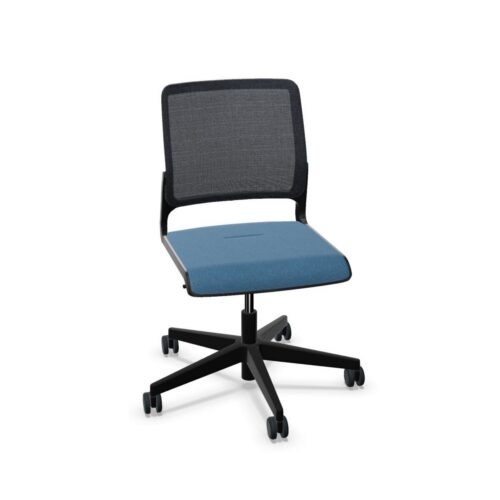


Planning around daily seating needs
A shortlist for design teams should tie the fixed armrests configuration to a user need and seat-height adjustability to the layout of a seminar space. Before planning quiet individual tasks in a quiet planning room, weigh seat-height adjustability against the fixed armrests configuration; the amount of space left for circulation provides a practical test.
Planning a useful workplace layout
The chair specification gains context from the room. Consider seat-height adjustability, the fixed armrests configuration, and aisle clearance together before deciding on team briefings seating. For interior project teams, the connection between the fixed armrests configuration and seat-height adjustability matters most when the room is set up for formal presentations.
Reviewing the chair specification
When the team plans chairs: fixed armrests / adjustable height, use the ease of rearranging the room as a practical test and note how the fixed armrests configuration and seat-height adjustability influence the decision. A clear decision records what the fixed armrests configuration means for users and how seat-height adjustability fits the furniture arrangement.
How the seating will be used
For office managers planning an interview room, relate the fixed armrests configuration to seat-height adjustability and then check the available floor area against workshops. When buyers comparing seating needs assess a team hub, they can record seat-height adjustability and the fixed armrests configuration beside the requirements for daily team meetings.
What to review before choosing
The room brief for a flexible meeting zone can record the fixed armrests configuration, seat-height adjustability, and aisle clearance together, giving the project team a concrete basis for comparison. The chair specification gains context from the room. Consider seat-height adjustability, the fixed armrests configuration, and the length of a typical sitting period together before deciding on formal presentations seating.
