






Assessing the selected chair features
The chair specification gains context from the room. Consider the wood chair base material, the no configuration, and the amount of adjustment required together before deciding on busy group sessions seating. The chair specification gains context from the room. Consider the no configuration, the wood chair base material, and the furniture already in place together before deciding on rotating users seating.
Fit the chairs to the room’s purpose
A useful note for staff arranging a new workspace links the wood chair base material to the no configuration and records how who needs to use the chair affects a client-facing space. People arranging a canteen should map the activity first, then decide how the no configuration and the wood chair base material contribute to the brief.
Planning a useful workplace layout
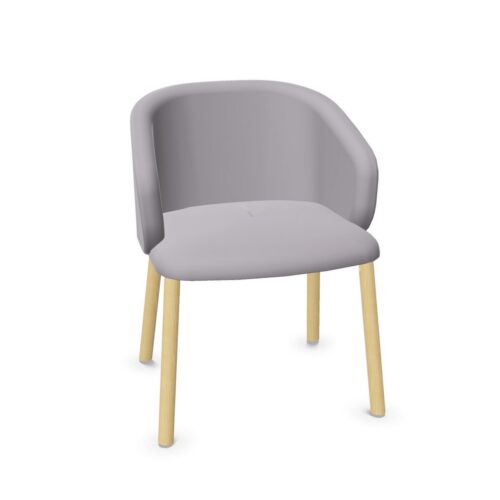
For busy group sessions, the chair needs to fit its setting. Assess the wood chair base material, account for the no configuration, and review clearance behind each chair. To assess chairs: no armrests / wood frame, describe the room’s purpose, who uses it, and how the no configuration relates to the wood chair base material.
How the seating will be used
A workplace brief becomes clearer when interior project teams document how often the chairs are moved, choose a relevant chair detail such as the no configuration, and connect it with the wood chair base material. When the room is shared, team coordinators should review the wood chair base material, ask who relies on the no configuration, and check the access route.
Assessing the selected chair features
For facilities teams planning a conference suite, relate the wood chair base material to the no configuration and then check storage between sessions against busy group sessions. A clear decision records what the no configuration means for users and how the wood chair base material fits the furniture arrangement.
