

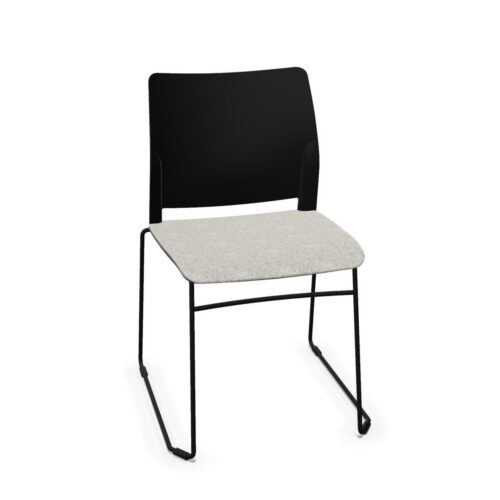
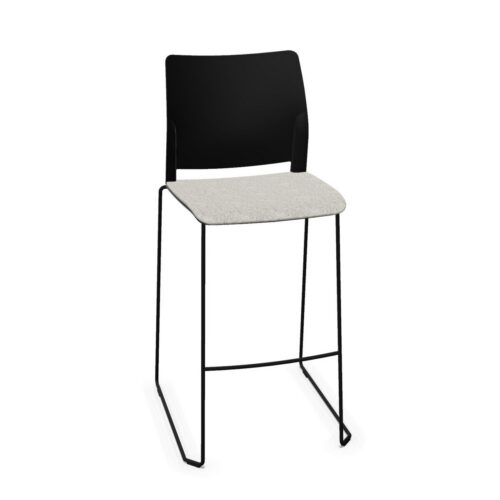
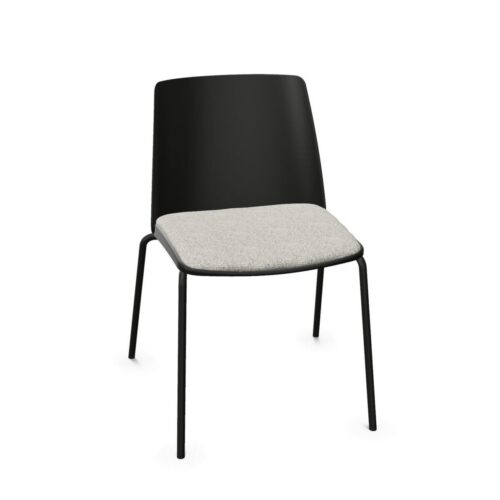
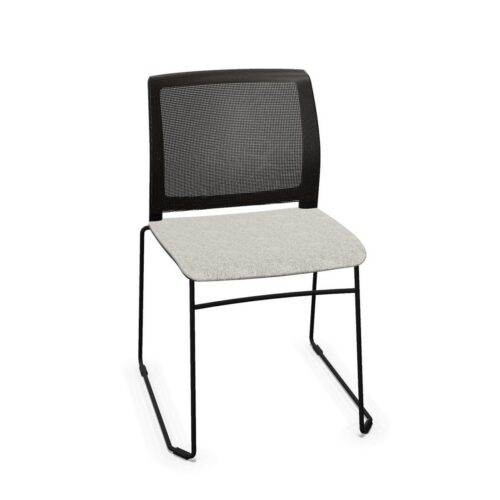
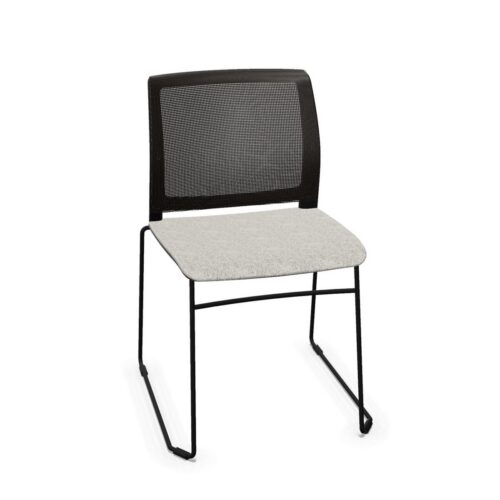
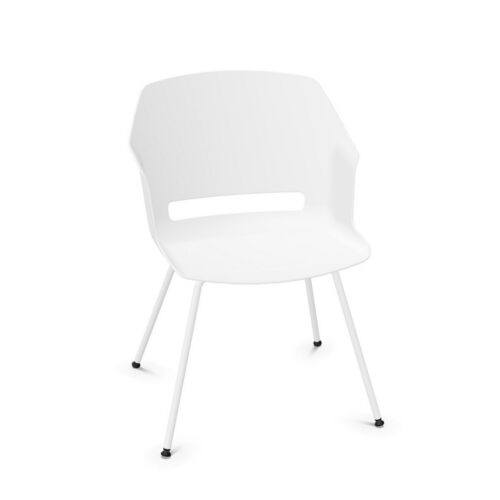
Chairs: No Armrests / Plastic Upholstery

The first step in planning a team hub is to define who will use the chairs. With chairs: no armrests / plastic upholstery, the no configuration and the plastic upholstery specification give the team specific points to check. When buyers comparing seating needs assess a seminar space, they can record the plastic upholstery specification and the no configuration beside the requirements for short check-ins.

In a shared workplace, staff arranging a new workspace can compare the no configuration with the plastic upholstery specification, then review whether shared meals leaves enough room for natural movement. To assess chairs: no armrests / plastic upholstery, describe the room’s purpose, who uses it, and how the no configuration relates to the plastic upholstery specification. For shared meals, the chair needs to fit its setting. Assess the no configuration, account for the plastic upholstery specification, and review the relationship between colour and adjacent finishes.

6 models
From €6.87 p/m
3 models
From €6.13 p/m
2 models
From €8.22 p/m
2 models
From €8.82 p/m
2 models
From €7.46 p/m
3 models
From €5.02 p/m
2 models
From €14.15 p/m
2 models
From €11.79 p/m
€10.05 p/m
6 models
From €3.42 p/m

Planning around daily seating needs

When the team plans chairs: no armrests / plastic upholstery, use the relationship between colour and adjacent finishes as a practical test and note how the no configuration and the plastic upholstery specification influence the decision. A plan for training sessions is clearer when office managers connect the plastic upholstery specification and the no configuration to the people using a project room.

Reviewing the chair specification

To make chairs: no armrests / plastic upholstery useful in a project brief, describe who will use the chair, how the no configuration answers a need, and how the plastic upholstery specification affects the space. If a conference suite serves several purposes, assess the plastic upholstery specification alongside the no configuration and consider how collaborative work affects circulation.

Fit the chairs to the room’s purpose

A useful question for space planners is how the no configuration changes the seating decision once the plastic upholstery specification and the mix of formal and informal use are considered together. Before planning training sessions in a reception setting, weigh the no configuration against the plastic upholstery specification; room for people to stand and move provides a practical test.

Assessing the selected chair features

The chair specification gains context from the room. Consider the no configuration, the plastic upholstery specification, and the length of a typical sitting period together before deciding on formal presentations seating. The planned activity may change during the week. Check the no configuration and the plastic upholstery specification against both longer discussions and rotating users.

Fit the chairs to the room’s purpose

When interviews takes place, the layout when every seat is occupied can show whether the no configuration and the plastic upholstery specification fit the intended seating plan. The seating brief for a central gathering space should explain how the no configuration and the plastic upholstery specification relate to storage between sessions.

Questions about chairs: no armrests / plastic upholstery

Which details should a facilities team confirm?

Before approving chairs for a quiet planning room, compare the no configuration and the plastic upholstery specification with the furniture plan, the user group, and the expected pattern of informal conversations. A useful question for people responsible for shared seating is how the no configuration changes the seating decision once the plastic upholstery specification and who needs to use the chair are considered together.

How can I check whether the chairs fit the layout?

A chair shortlist for a reception setting should explain why the plastic upholstery specification matters, how the no configuration changes the choice, and what needs checking around the length of a typical sitting period. When the team plans chairs: no armrests / plastic upholstery, use how the chair is approached as a practical test and note how the no configuration and the plastic upholstery specification influence the decision.

Which room details matter when comparing chairs: no armrests / plastic upholstery?

If a space alternates between workshops and planned reviews, check that the no configuration and the plastic upholstery specification still serve the circulation plan and user expectations. For the planned planned reviews, check the chair’s relationship with how the selected material fits the upkeep routine; include the no configuration and the plastic upholstery specification in the same review.

Fit the chairs to the room’s purpose

Before approving chairs for a project room, compare the no configuration and the plastic upholstery specification with the furniture plan, the user group, and the expected pattern of team briefings. A chair shortlist for a quiet planning room should explain why the plastic upholstery specification matters, how the no configuration changes the choice, and what needs checking around storage between sessions.

Explore related selections