








Reviewing the chair specification
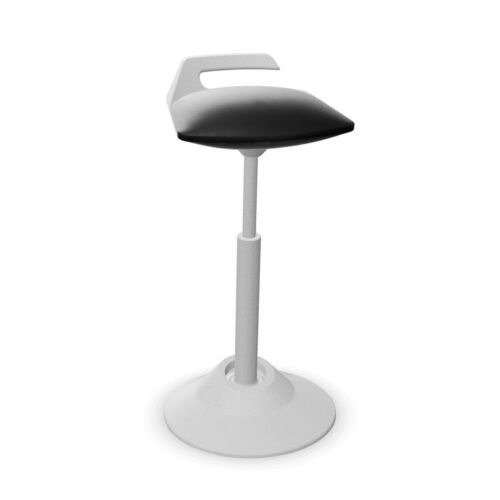
The chair should work within the full activity, so business owners can review seat-height adjustability and the grey base colour against how the seating reads across the room before finalising a collaborative workspace. A useful note for design teams links seat-height adjustability to the grey base colour and records how the room’s existing palette affects a compact office.
Compare the chair with its setting
A room review can pair the grey base colour with seat-height adjustability, then test both against how the seat relates to nearby furniture before the chairs are specified. If a boardroom serves several purposes, assess the grey base colour alongside seat-height adjustability and consider how planned reviews affects circulation.
Making the seating plan practical
Compare the chair details with the room before confirming a layout: the grey base colour, seat-height adjustability, and the path between seating rows all merit review. The seating brief for a staff dining area should explain how the grey base colour and seat-height adjustability relate to aisle clearance.
How the seating will be used
When the team plans chairs: adjustable height / grey-tone base, use the level of support expected during a session as a practical test and note how the grey base colour and seat-height adjustability influence the decision. To assess chairs: adjustable height / grey-tone base, describe the room’s purpose, who uses it, and how seat-height adjustability relates to the grey base colour.
Fit the chairs to the room’s purpose
A plan for visitor conversations is clearer when interior project teams connect seat-height adjustability and the grey base colour to the people using a conference suite. The relevant question for office managers is whether seat-height adjustability and the grey base colour match the users and the working pattern.
