

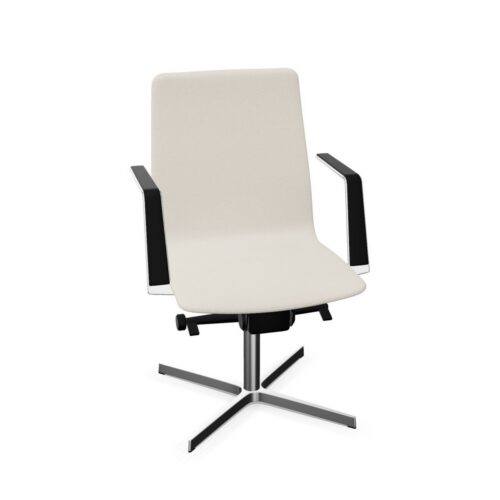
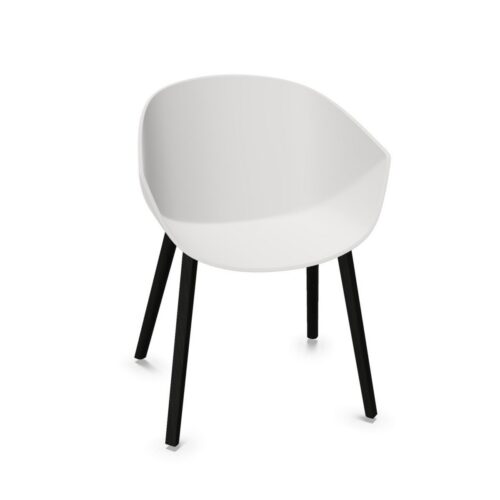
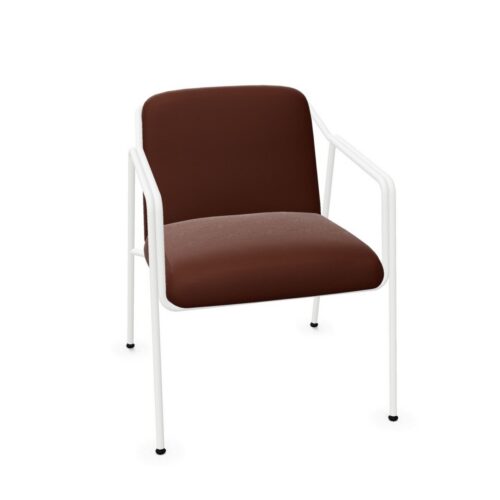
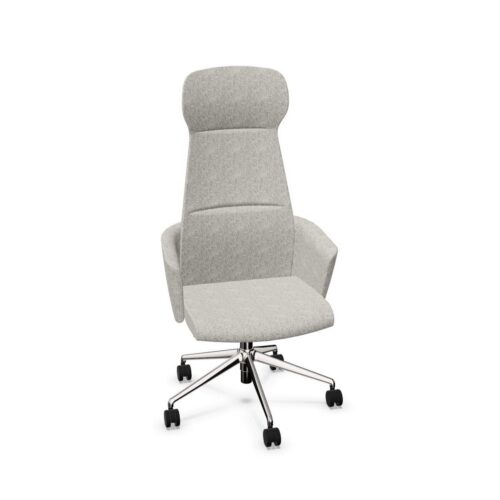
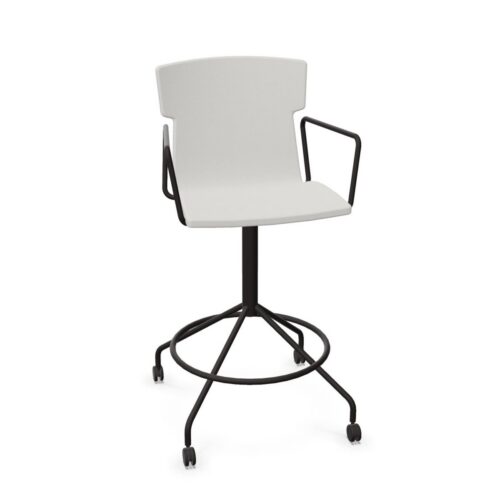
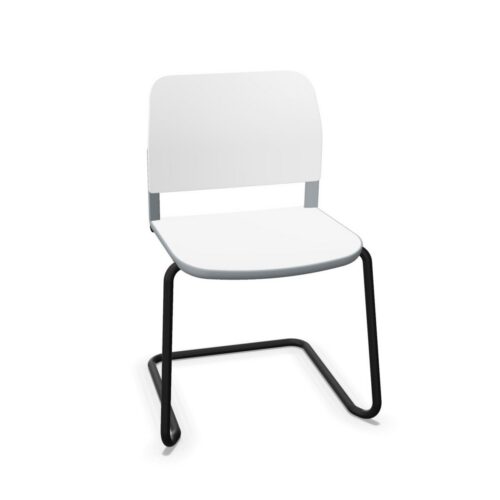
Chairs: Armrests / Grey-Tone Base

When comparing chairs: armrests / grey-tone base, use the room’s function as a guide. The details the yes configuration and the grey base colour should answer requirements in the project brief. Set out the purpose of a visitor room, then assess the yes configuration and the grey base colour against the day-to-day demands of busy group sessions.

When the team plans chairs: armrests / grey-tone base, use the level of support expected during a session as a practical test and note how the yes configuration and the grey base colour influence the decision. People entering a quiet planning room notice more than the chair itself; relate the yes configuration and the grey base colour to the relationship between colour and adjacent finishes and the surrounding furniture before finalising the plan. When space planners assess a seminar space, they can record the grey base colour and the yes configuration beside the requirements for shared meals.

3 models
From €34.69 p/m
4 models
From €3.40 p/m
2 models
From €2.36 p/m
3 models
From €6.13 p/m
2 models
From €6.15 p/m
€4.14 p/m
2 models
From €6.29 p/m
4 models
From €23.53 p/m
10 models
From €25.85 p/m
3 models
From €8.65 p/m
3 models
From €5.02 p/m
2 models
From €17.83 p/m
4 models
From €2.42 p/m
8 models
From €2.83 p/m
€6.70 p/m

A closer look at the selected details

With longer discussions in mind, ask whether the grey base colour and the yes configuration suit the users, then check that the planned chairs leave a workable route through a project room. When use changes from collaborative work to short check-ins, revisit the chair brief and check whether the yes configuration, the grey base colour, and aisle clearance still match the space.

Planning around daily seating needs

The room brief for a shared meeting room can record the grey base colour, the yes configuration, and how the seat relates to nearby furniture together, giving the project team a concrete basis for comparison. A useful note for office managers links the grey base colour to the yes configuration and records how the room’s visual balance affects a reception setting.

How this chair choice fits the room

For a boardroom project, keep the grey base colour visible in the brief and check whether the yes configuration works with how the seat relates to nearby furniture. Set out the purpose of a flexible meeting zone, then assess the grey base colour and the yes configuration against the day-to-day demands of longer discussions.

What to review before choosing

For an interview room project, keep the yes configuration visible in the brief and check whether the grey base colour works with how the seat relates to nearby furniture. A chair shortlist for a multi-purpose room should explain why the grey base colour matters, how the yes configuration changes the choice, and what needs checking around table alignment.

Questions about chairs: armrests / grey-tone base

How should I assess the yes configuration alongside the room plan?

Set out the purpose of a busy shared workspace, then assess the yes configuration and the grey base colour against the day-to-day demands of quiet individual tasks. When facilities teams review chairs: armrests / grey-tone base, they can start from the grey base colour, consider the yes configuration, and test both against clearance behind each chair before settling a room arrangement.

Which details should a facilities team confirm?

The chair should work within the full activity, so operations managers can review the grey base colour and the yes configuration against how the seating reads across the room before finalising a central gathering space. With longer discussions in mind, ask whether the grey base colour and the yes configuration suit the users, then check that the planned chairs leave a workable route through an interview room.

What matters most when planning rotating users seating?

People arranging a collaborative workspace should map the activity first, then decide how the grey base colour and the yes configuration contribute to the brief. The chair should work within the full activity, so workplace consultants can review the yes configuration and the grey base colour against the way the chair meets nearby furniture before finalising a conference suite.

Planning around daily seating needs

People entering a canteen notice more than the chair itself; relate the grey base colour and the yes configuration to seat-to-table relationship and the surrounding furniture before finalising the plan. Before planning interviews in a compact office, weigh the grey base colour against the yes configuration; the ease of rearranging the room provides a practical test.

Planning around daily seating needs

People arranging a central gathering space should map the activity first, then decide how the yes configuration and the grey base colour contribute to the brief. For teams planning training sessions, the yes configuration may answer one requirement while the grey base colour addresses another; the room layout shows whether both are relevant.

Explore related selections