













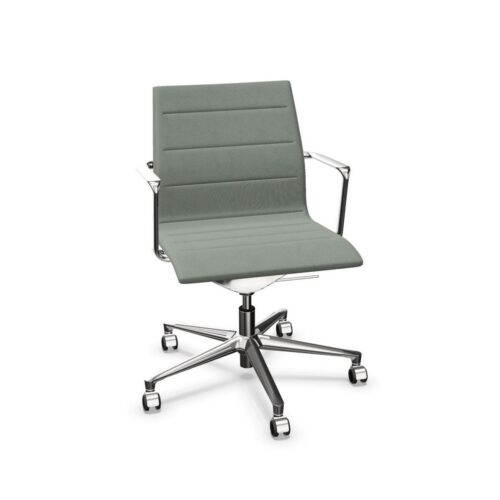


Assessing the selected chair features
People arranging a central gathering space should map the activity first, then decide how the silver base colour and whether the standard is specified contribute to the brief. When office managers assess a visitor room, they can record the silver base colour and whether the standard is specified beside the requirements for busy group sessions.
Fit the chairs to the room’s purpose
For meeting-room coordinators, the connection between whether the standard is specified and the silver base colour matters most when the room is set up for short check-ins. Set out the purpose of a shared meeting room, then assess whether the standard is specified and the silver base colour against the day-to-day demands of busy group sessions.
Planning a useful workplace layout
In a project note, explain how whether the standard is specified affects the chair choice and how the silver base colour relates to how people enter and leave. If a space alternates between informal conversations and visitor conversations, check that the silver base colour and whether the standard is specified still serve the circulation plan and user expectations.
Reviewing the chair specification
The planned activity may change during the week. Check the silver base colour and whether the standard is specified against both daily team meetings and team briefings. Before planning shared meals in a project room, weigh whether the standard is specified against the silver base colour; seat-to-table relationship provides a practical test.
How this chair choice fits the room
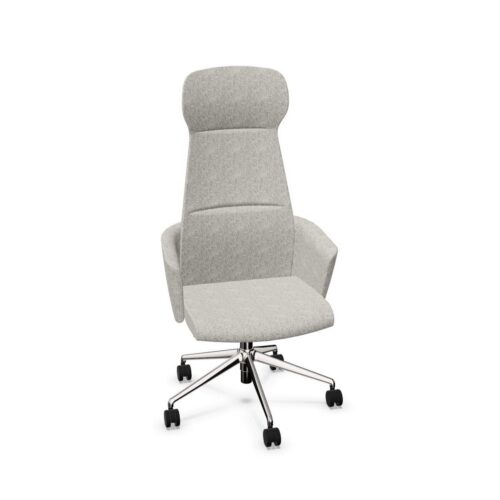
To assess chairs: unspecified standard / silver-tone base, describe the room’s purpose, who uses it, and how the silver base colour relates to whether the standard is specified. A workplace review starts with use. Procurement leads can assess whether the standard is specified, consider the silver base colour, and verify how the chair is approached before arranging seats.
