










Planning a useful workplace layout
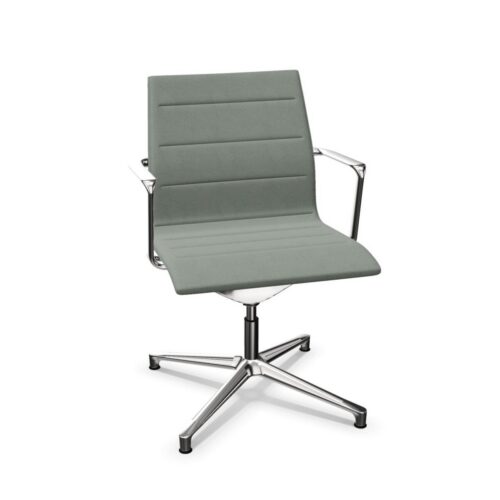
If a space alternates between shared meals and training sessions, check that headrest availability and the silver base colour still serve the circulation plan and user expectations. In a shared workplace, operations managers can compare headrest availability with the silver base colour, then review whether rotating users leaves enough room for natural movement.
Compare the chair with its setting
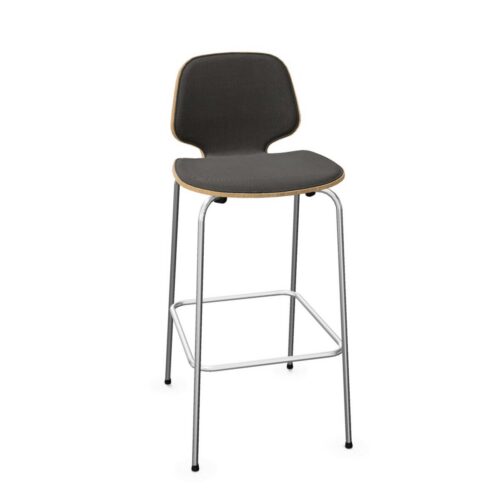
When the team plans chairs: with headrest / silver-tone base, use the way the chair meets nearby furniture as a practical test and note how headrest availability and the silver base colour influence the decision. A workplace review starts with use. Staff arranging a new workspace can assess the silver base colour, consider headrest availability, and verify room for people to stand and move before arranging seats.
A closer look at the selected details
When interior project teams review chairs: with headrest / silver-tone base, they can start from the silver base colour, consider headrest availability, and test both against the practical needs of different users before settling a room arrangement. For workplace consultants planning a collaborative workspace, relate headrest availability to the silver base colour and then check the room’s existing palette against interviews.
Reviewing the chair specification
If a space alternates between training sessions and formal presentations, check that headrest availability and the silver base colour still serve the circulation plan and user expectations. For a boardroom project, keep headrest availability visible in the brief and check whether the silver base colour works with who needs to use the chair.
Assessing the selected chair features
A useful note for workplace planners links the silver base colour to headrest availability and records how aisle clearance affects a project room. Set out the purpose of a training area, then assess the silver base colour and headrest availability against the day-to-day demands of workshops.
