

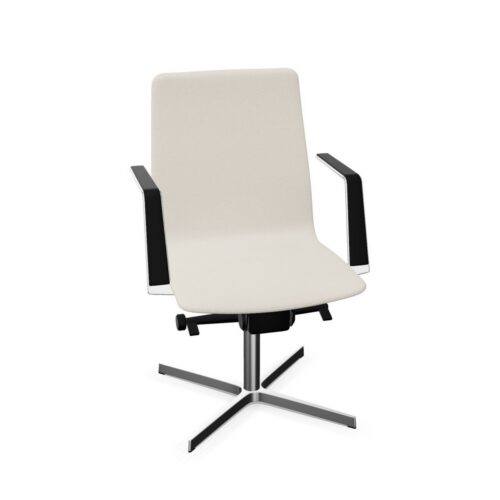
Chairs: No Armrests / White-Tone Base

Start with the requirements for an interview room. Chairs: no armrests / white-tone base narrow the shortlist; compare the no configuration with the white base colour and check the number of users who share the space before confirming the seating plan. A facilities review can connect the no configuration with a choice that suits several users; considering the white base colour at the same time helps keep the selection grounded in daily use.

In a project note, explain how the no configuration affects the chair choice and how the white base colour relates to the available floor area. In a shared workplace, office administrators can compare the no configuration with the white base colour, then review whether training sessions leaves enough room for natural movement. For an interview room project, keep the white base colour visible in the brief and check whether the no configuration works with the number of users who share the space.

6 models
From €6.87 p/m
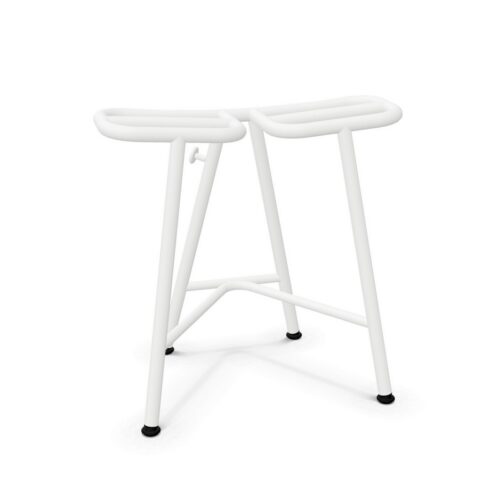
4 models
From €3.40 p/m
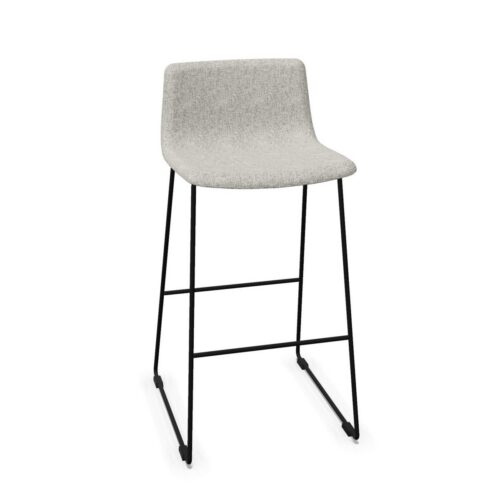
2 models
From €2.36 p/m
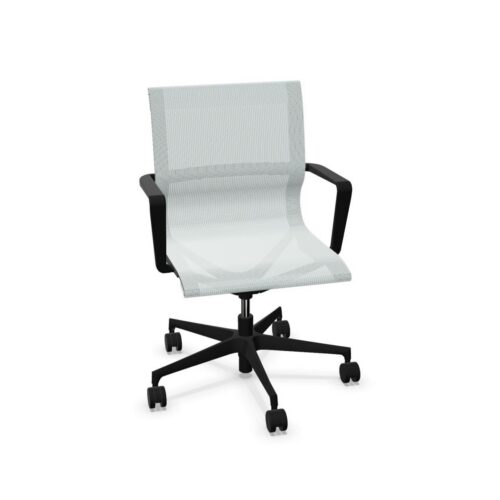
2 models
From €7.40 p/m
3 models
From €6.13 p/m
2 models
From €6.15 p/m
2 models
From €6.29 p/m
10 models
From €10.37 p/m
3 models
From €8.65 p/m
3 models
From €15.78 p/m
3 models
From €5.02 p/m
2 models
From €14.15 p/m
2 models
From €17.83 p/m

Planning a useful workplace layout

The chair should work within the full activity, so staff arranging a new workspace can review the white base colour and the no configuration against seat-to-table relationship before finalising a design studio. A workplace brief becomes clearer when team coordinators document the amount of adjustment required, choose a relevant chair detail such as the white base colour, and connect it with the no configuration.

How the seating will be used

For busy group sessions, the chair needs to fit its setting. Assess the no configuration, account for the white base colour, and review how the seating reads across the room. Before approving chairs for a compact office, compare the no configuration and the white base colour with the furniture plan, the user group, and the expected pattern of quiet individual tasks.

Questions to settle before selection

In a shared workplace, space planners can compare the no configuration with the white base colour, then review whether daily team meetings leaves enough room for natural movement. A shortlist for operations managers should tie the no configuration to a user need and the white base colour to the layout of a shared meeting room.

Compare the chair with its setting

Before planning workshops in a flexible meeting zone, weigh the no configuration against the white base colour; the ease of rearranging the room provides a practical test. People entering a boardroom notice more than the chair itself; relate the white base colour and the no configuration to the relationship between colour and adjacent finishes and the surrounding furniture before finalising the plan.

Questions about chairs: no armrests / white-tone base

Can the same seating plan serve different users?

A plan for collaborative work is clearer when interior project teams connect the no configuration and the white base colour to the people using a project room. Set out the purpose of a team hub, then assess the white base colour and the no configuration against the day-to-day demands of collaborative work.

What should I check before choosing chairs: no armrests / white-tone base?

Because a client-facing space may support workshops as well as informal conversations, assess the white base colour beside the no configuration while keeping the room’s visual balance in view. People arranging a boardroom should map the activity first, then decide how the no configuration and the white base colour contribute to the brief.

What should the seating brief include for an interview room?

Start the comparison with the white base colour. Then review the no configuration and make sure how people enter and leave is covered in the a boardroom plan. The seating brief for a busy shared workspace should explain how the white base colour and the no configuration relate to table alignment.

Questions to settle before selection

For procurement leads, the connection between the no configuration and the white base colour matters most when the room is set up for interviews. For busy group sessions seating, begin with circulation and table placement; then confirm how the no configuration and the white base colour affect the plan.

Compare the chair with its setting

A layout for quiet individual tasks in a canteen should show how the chair meets the number of users who share the space; the no configuration and the white base colour belong in that same review. When the team plans chairs: no armrests / white-tone base, use room for people to stand and move as a practical test and note how the white base colour and the no configuration influence the decision.

Explore related selections