









Planning a useful workplace layout
For a boardroom, buyers comparing seating needs can begin with the white base colour, then test the metal chair base material against the balance between density and access during rotating users. A chair shortlist for a conference suite should explain why the metal chair base material matters, how the white base colour changes the choice, and what needs checking around the cleaning routine.
Questions to settle before selection
Set out the purpose of a team hub, then assess the metal chair base material and the white base colour against the day-to-day demands of quiet individual tasks. A clear decision records what the metal chair base material means for users and how the white base colour fits the furniture arrangement.
How the seating will be used
A useful note for office administrators links the metal chair base material to the white base colour and records how the room’s visual balance affects a compact office. Because a staff dining area may support quiet individual tasks as well as shared meals, assess the metal chair base material beside the white base colour while keeping how often the chairs are moved in view.
Assessing the selected chair features
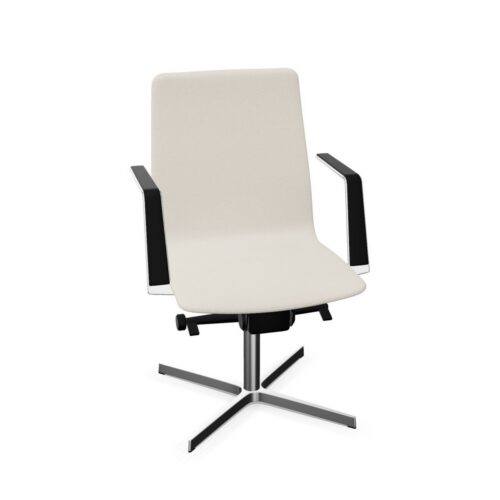
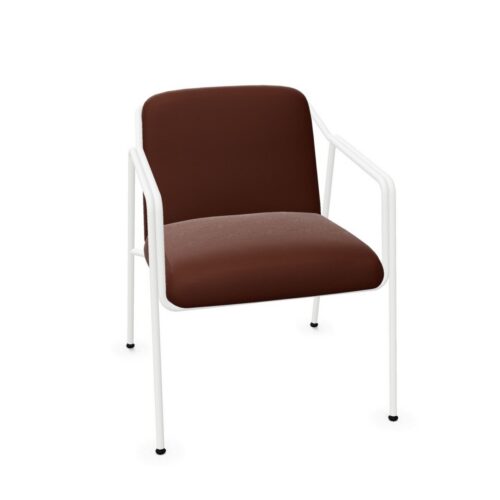
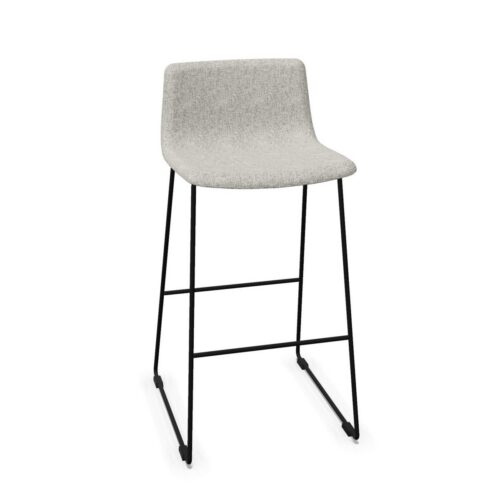
To make chairs: metal frame / white-tone base useful in a project brief, describe who will use the chair, how the white base colour answers a need, and how the metal chair base material affects the space. A shortlist for procurement leads should tie the white base colour to a user need and the metal chair base material to the layout of a team hub.
How this chair choice fits the room
When planned reviews takes place, the amount of space left for circulation can show whether the white base colour and the metal chair base material fit the intended seating plan. A room review can pair the metal chair base material with the white base colour, then test both against storage between sessions before the chairs are specified.
