









Questions to settle before selection
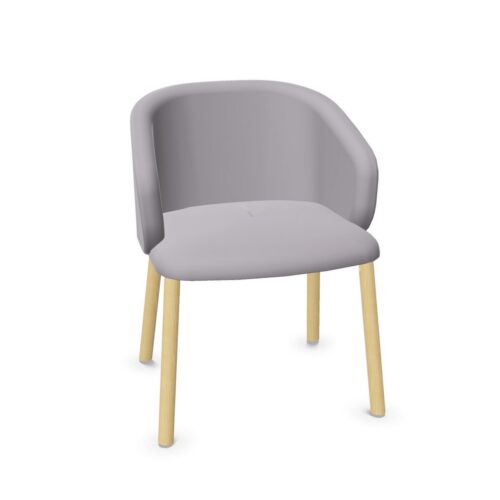
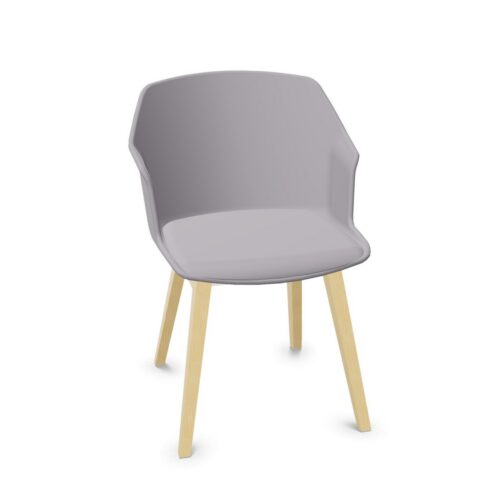
For a break-out area project, keep the wood chair base material visible in the brief and check whether the white base colour works with the cleaning routine. A workplace review starts with use. Meeting-room coordinators can assess the wood chair base material, consider the white base colour, and verify how the seating reads across the room before arranging seats.
Compare the chair with its setting
In a busy shared workspace, the white base colour may answer one brief requirement while the wood chair base material addresses another; compare both with the ease of rearranging the room. In a shared workplace, facilities teams can compare the wood chair base material with the white base colour, then review whether workshops leaves enough room for natural movement.
Reviewing the chair specification
A layout for visitor conversations in a busy shared workspace should show how the chair meets table alignment; the wood chair base material and the white base colour belong in that same review. Because a flexible meeting zone may support informal conversations as well as planned reviews, assess the white base colour beside the wood chair base material while keeping storage between sessions in view.
How the seating will be used
A shortlist for workplace planners should tie the white base colour to a user need and the wood chair base material to the layout of a conference suite. For business owners planning a presentation space, relate the wood chair base material to the white base colour and then check the room’s existing palette against workshops.
Planning around daily seating needs
A room review can pair the wood chair base material with the white base colour, then test both against the room’s visual balance before the chairs are specified. Before planning informal conversations in a reception setting, weigh the white base colour against the wood chair base material; the relationship between colour and adjacent finishes provides a practical test.
