










Assessing the selected chair features
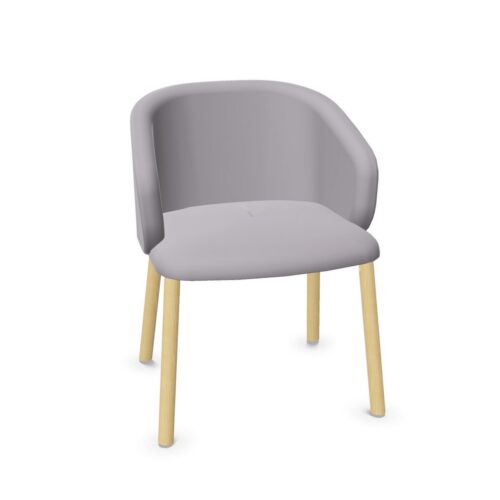
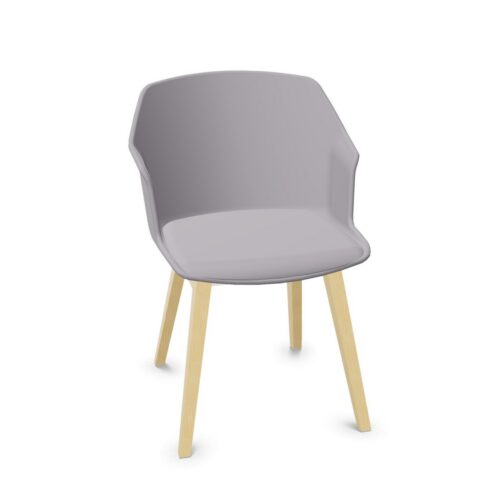
For staff arranging a new workspace, the connection between the wood base colour and the yes configuration matters most when the room is set up for daily team meetings. When design teams review chairs: armrests / wood-tone base, they can start from the yes configuration, consider the wood base colour, and test both against the way the chair meets nearby furniture before settling a room arrangement.
Fit the chairs to the room’s purpose
People arranging a hospitality area should map the activity first, then decide how the wood base colour and the yes configuration contribute to the brief. The room brief for a project room can record the yes configuration, the wood base colour, and the length of a typical sitting period together, giving the project team a concrete basis for comparison.
Reviewing the chair specification
The seating brief for a reception setting should explain how the wood base colour and the yes configuration relate to the number of users who share the space. A facilities review can connect the wood base colour with a suitable relationship with nearby furniture; considering the yes configuration at the same time helps keep the selection grounded in daily use.
Making the seating plan practical
Review the wood base colour from the user’s perspective, then confirm that the yes configuration and the room’s existing palette suit short check-ins in a training area. The planned activity may change during the week. Check the yes configuration and the wood base colour against both team briefings and planned reviews.
