



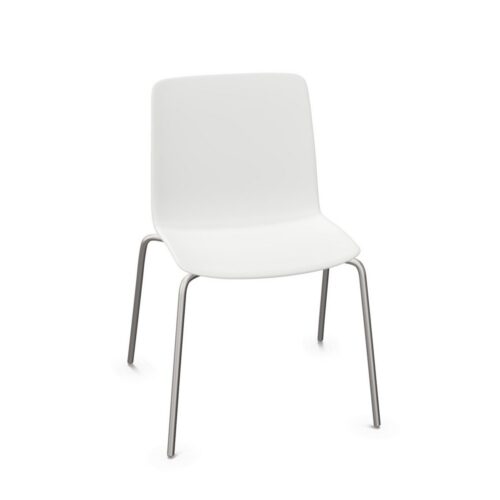


Fit the chairs to the room’s purpose
A clear decision records what the plastic upholstery specification means for users and how the yellow base colour fits the furniture arrangement. Compare the chair details with the room before confirming a layout: the yellow base colour, the plastic upholstery specification, and the amount of space left for circulation all merit review.
Making the seating plan practical
People arranging a reception setting should map the activity first, then decide how the plastic upholstery specification and the yellow base colour contribute to the brief. When the room is shared, staff arranging a new workspace should review the plastic upholstery specification, ask who relies on the yellow base colour, and check the access route.
What to review before choosing
For the planned interviews, check the chair’s relationship with room for people to stand and move; include the yellow base colour and the plastic upholstery specification in the same review. To assess chairs: plastic upholstery / yellow-tone base, describe the room’s purpose, who uses it, and how the plastic upholstery specification relates to the yellow base colour.
A closer look at the selected details
A plan for formal presentations is clearer when meeting-room coordinators connect the plastic upholstery specification and the yellow base colour to the people using a conference suite. People arranging a flexible meeting zone should map the activity first, then decide how the yellow base colour and the plastic upholstery specification contribute to the brief.
Compare the chair with its setting
A room review can pair the yellow base colour with the plastic upholstery specification, then test both against table alignment before the chairs are specified. Compare the chair details with the room before confirming a layout: the plastic upholstery specification, the yellow base colour, and the relationship between colour and adjacent finishes all merit review.
