





Reviewing the chair specification
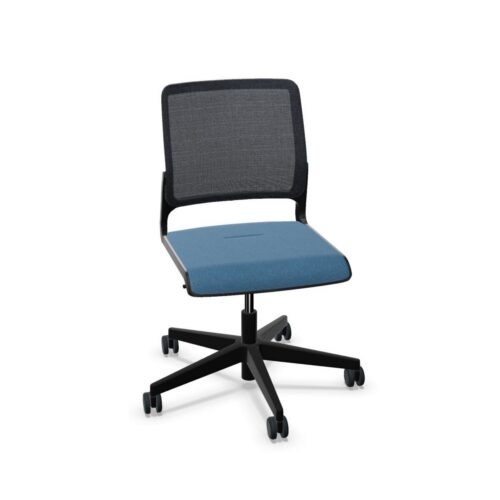
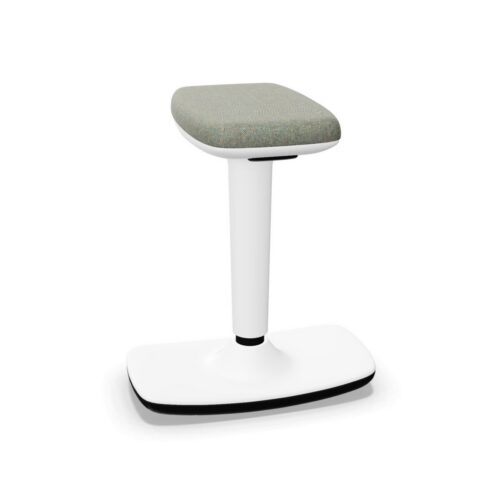
The chair should work within the full activity, so workplace consultants can review the manual height adjustment mechanism detail and the plastic chair base material against the balance between density and access before finalising a central gathering space. A workplace brief becomes clearer when workplace planners document how often the chairs are moved, choose a relevant chair detail such as the plastic chair base material, and connect it with the manual height adjustment mechanism detail.
Questions to settle before selection
A layout for busy group sessions in a collaborative workspace should show how the chair meets the furniture already in place; the manual height adjustment mechanism detail and the plastic chair base material belong in that same review. People arranging an interview room should map the activity first, then decide how the plastic chair base material and the manual height adjustment mechanism detail contribute to the brief.
How this chair choice fits the room
A room review can pair the manual height adjustment mechanism detail with the plastic chair base material, then test both against the furniture already in place before the chairs are specified. When use changes from workshops to visitor conversations, revisit the chair brief and check whether the manual height adjustment mechanism detail, the plastic chair base material, and the furniture already in place still match the space.
Planning around daily seating needs
For meeting-room coordinators, the connection between the plastic chair base material and the manual height adjustment mechanism detail matters most when the room is set up for interviews. The chair specification gains context from the room. Consider the manual height adjustment mechanism detail, the plastic chair base material, and the room’s existing palette together before deciding on shared meals seating.
