

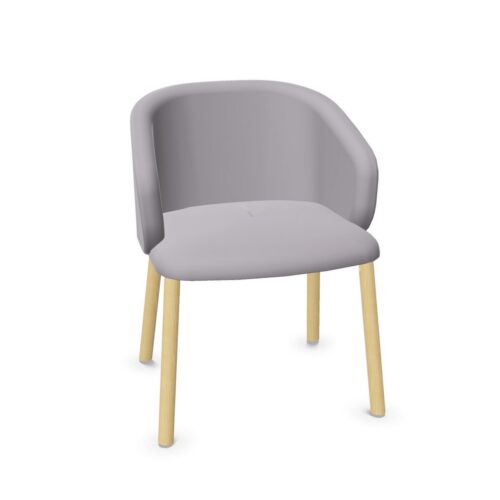
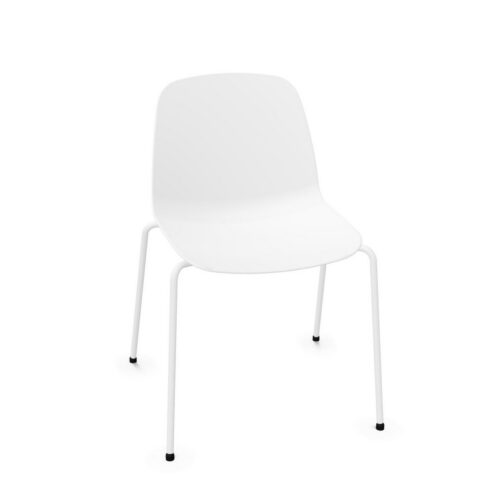
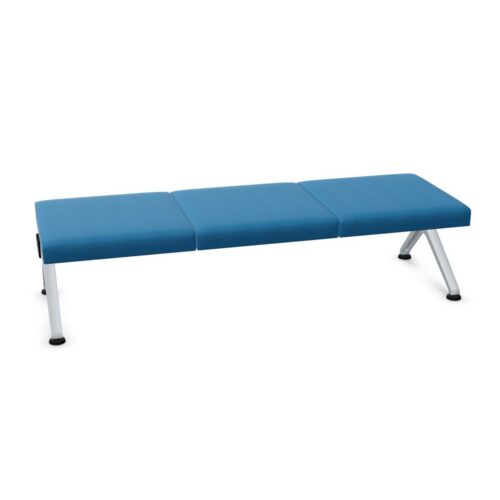
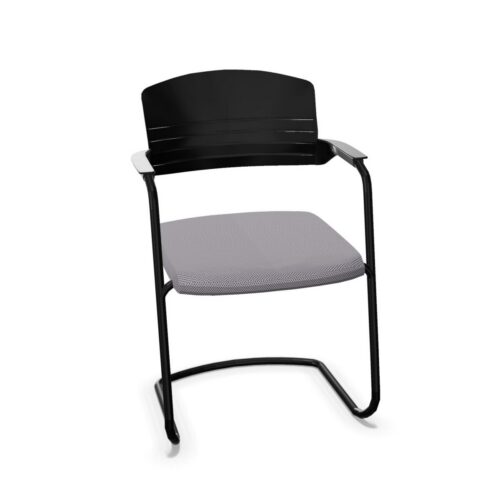
Chairs: No Mechanism / Silver Frame

Office seating works best when the specification follows a real need. Use chairs: no mechanism / silver frame to compare the absence of a listed mechanism with the room’s demands, including who needs to use the chair and the way people move between activities. To make chairs: no mechanism / silver frame useful in a project brief, describe who will use the chair, how the silver chair base material answers a need, and how the absence of a listed mechanism affects the space.

In a client-facing space, the silver chair base material may answer one brief requirement while the absence of a listed mechanism addresses another; compare both with the layout when every seat is occupied. A plan for busy group sessions is clearer when space planners connect the silver chair base material and the absence of a listed mechanism to the people using a staff dining area. People entering a collaborative workspace notice more than the chair itself; relate the silver chair base material and the absence of a listed mechanism to the ease of rearranging the room and the surrounding furniture before finalising the plan.

2 models
From €17.75 p/m
5 models
From €10.11 p/m
5 models
From €3.59 p/m
24 models
From €4.49 p/m
53 models
From €4.84 p/m
28 models
From €27.43 p/m
79 models
From €31.57 p/m
11 models
From €3.24 p/m
11 models
From €5.04 p/m
13 models
From €6.81 p/m

Compare the chair with its setting

People entering a canteen notice more than the chair itself; relate the silver chair base material and the absence of a listed mechanism to the path between seating rows and the surrounding furniture before finalising the plan. The seating brief for a reception setting should explain how the absence of a listed mechanism and the silver chair base material relate to the furniture already in place.

A closer look at the selected details

A useful note for team coordinators links the silver chair base material to the absence of a listed mechanism and records how often the chairs are moved affects a busy shared workspace. For design teams planning an interview room, relate the silver chair base material to the absence of a listed mechanism and then check the length of a typical sitting period against training sessions.

Making the seating plan practical

People arranging a collaborative workspace should map the activity first, then decide how the absence of a listed mechanism and the silver chair base material contribute to the brief. When design teams review chairs: no mechanism / silver frame, they can start from the silver chair base material, consider the absence of a listed mechanism, and test both against the way the chair meets nearby furniture before settling a room arrangement.

What to review before choosing

People arranging a busy shared workspace should map the activity first, then decide how the silver chair base material and the absence of a listed mechanism contribute to the brief. Review the silver chair base material from the user’s perspective, then confirm that the absence of a listed mechanism and the room’s visual balance suit longer discussions in a collaborative workspace.

Questions about chairs: no mechanism / silver frame

How can I check whether the chairs fit the layout?

A useful note for meeting-room coordinators links the absence of a listed mechanism to the silver chair base material and records how the amount of adjustment required affects a compact office. Use the room plan to compare the absence of a listed mechanism and the silver chair base material; that gives buyers comparing seating needs a practical basis for discussing the amount of adjustment required.

How do I compare chairs for shared meals?

A chair shortlist for a multi-purpose room should explain why the silver chair base material matters, how the absence of a listed mechanism changes the choice, and what needs checking around the room’s existing palette. Because a compact office may support quiet individual tasks as well as busy group sessions, assess the silver chair base material beside the absence of a listed mechanism while keeping aisle clearance in view.

How do I plan circulation around the chairs?

A shortlist for team coordinators should tie the silver chair base material to a user need and the absence of a listed mechanism to the layout of a conference suite. For a design studio, design teams can begin with the silver chair base material, then test the absence of a listed mechanism against the amount of space left for circulation during shared meals.

Planning around daily seating needs

For interior project teams planning a reception setting, relate the absence of a listed mechanism to the silver chair base material and then check the mix of formal and informal use against visitor conversations. Compare the chair details with the room before confirming a layout: the absence of a listed mechanism, the silver chair base material, and clearance behind each chair all merit review.

Explore related selections