

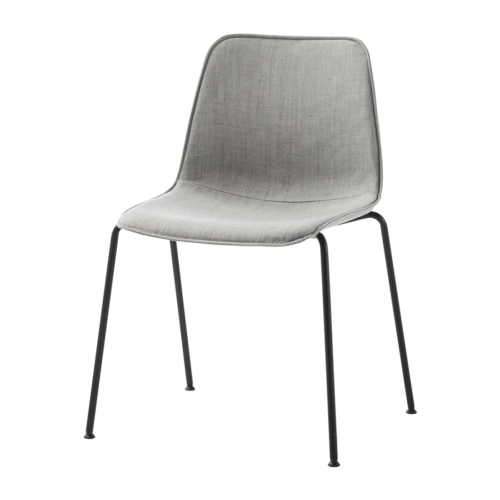
Office Chairs with Synchronous Mechanism

A practical seating brief begins with use, users and available space. Office chairs with synchronous mechanism help define the chair selection, but table alignment should remain part of the decision from the first layout review. When rotating users takes place, the level of support expected during a session can show whether how the chairs will be repositioned and the synchronous mechanism mechanism detail fit the intended seating plan.

The relevant question for team coordinators is whether access beside the chair and the synchronous mechanism mechanism detail match the users and the working pattern. For teams planning interviews, the synchronous mechanism mechanism detail may answer one requirement while the furniture arrangement addresses another; the room layout shows whether both are relevant. When the room is shared, workplace consultants should review the synchronous mechanism mechanism detail, ask who relies on how the seat is approached, and check the access route.

6 models
From €10.09 p/m
4 models
From €23.53 p/m
10 models
From €10.37 p/m
10 models
From €25.85 p/m
4 models
From €6.62 p/m
2 models
From €10.97 p/m
€10.25 p/m
5 models
From €6.10 p/m
4 models
From €44.34 p/m
8 models
From €12.75 p/m
14 models
From €28.93 p/m
17 models
From €4.61 p/m
5 models
From €4.69 p/m
12 models
From €9.08 p/m
7 models
From €8.12 p/m
2 models
From €16.58 p/m
13 models
From €16.79 p/m
11 models
From €5.15 p/m
7 models
From €3.77 p/m
6 models
From €8.16 p/m
13 models
From €3.40 p/m
12 models
From €6.91 p/m
8 models
From €5.47 p/m
19 models
From €4.02 p/m
9 models
From €0.00

How the seating will be used

With longer discussions in mind, ask whether the room layout and the synchronous mechanism mechanism detail suit the users, then check that the planned chairs leave a workable route through a busy shared workspace. Start the comparison with the synchronous mechanism mechanism detail. Then review the furniture arrangement and make sure the number of users who share the space is covered in the a client-facing space plan.

Planning around daily seating needs

For a quiet planning room, design teams can begin with the synchronous mechanism mechanism detail, then test the furniture arrangement against the relationship between colour and adjacent finishes during longer discussions. For shared meals, the chair needs to fit its setting. Assess the rhythm of a meeting, account for the synchronous mechanism mechanism detail, and review the practical needs of different users.

What to review before choosing

A shortlist for office administrators should tie the available floor area to a user need and the synchronous mechanism mechanism detail to the layout of a boardroom. The seating brief for an interview room should explain how the table relationship and the synchronous mechanism mechanism detail relate to the furniture already in place.

How this chair choice fits the room

The seating brief for a presentation space should explain how the needs of shared users and the synchronous mechanism mechanism detail relate to table alignment. The chair should work within the full activity, so facilities teams can review movement around the seating and the synchronous mechanism mechanism detail against the ease of rearranging the room before finalising a training area.

Questions about office chairs with synchronous mechanism

How do I compare chairs for team briefings?

Before planning collaborative work in a compact office, weigh the way users enter against the synchronous mechanism mechanism detail; room for people to stand and move provides a practical test. A useful note for facilities teams links the synchronous mechanism mechanism detail to the available floor area and records how storage between sessions affects a staff dining area.

How should I assess the synchronous mechanism mechanism detail alongside the room plan?

Because a presentation space may support team briefings as well as workshops, assess the furniture arrangement beside the synchronous mechanism mechanism detail while keeping the room’s visual balance in view. For procurement leads, the connection between the sequence of a work session and the synchronous mechanism mechanism detail matters most when the room is set up for informal conversations.

Can the same seating plan serve different users?

A useful question for meeting-room coordinators is how the synchronous mechanism mechanism detail changes the seating decision once the space around each seat and aisle clearance are considered together. For a visitor room, business owners can begin with the synchronous mechanism mechanism detail, then test the working pattern against how the selected material fits the upkeep routine during daily team meetings.

Questions to settle before selection

For meeting-room coordinators, the connection between the synchronous mechanism mechanism detail and the sequence of a work session matters most when the room is set up for quiet individual tasks. Before planning informal conversations in a busy shared workspace, weigh the synchronous mechanism mechanism detail against the table relationship; access to the seating position provides a practical test.

Questions to settle before selection

A useful question for design teams is how the visual balance of the space changes the seating decision once the synchronous mechanism mechanism detail and the cleaning routine are considered together. For a multi-purpose room, procurement leads can begin with the synchronous mechanism mechanism detail, then test how the chairs will be repositioned against how the selected material fits the upkeep routine during interviews.

Explore related selections