

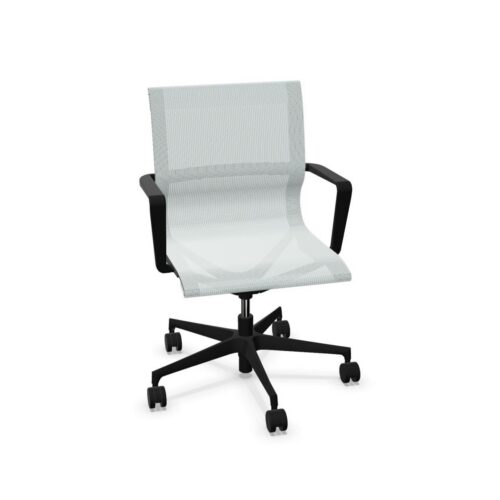
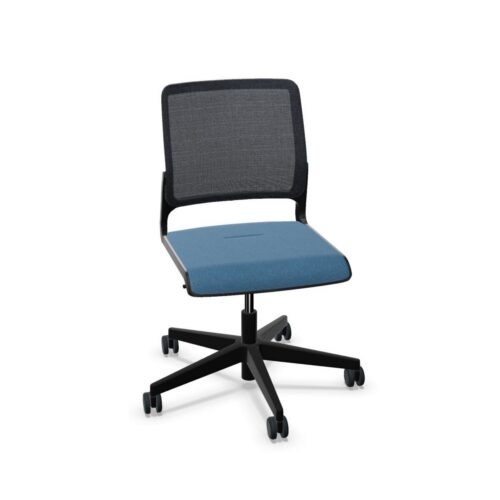
Chairs: Mesh Upholstery / Plastic Frame

For a compact office, the selected chairs should be judged by the work people do there. Chairs: mesh upholstery / plastic frame narrow the discussion to the mesh upholstery specification; check how that choice sits beside tables, circulation routes and the needs of different users. A workplace review starts with use. Workplace consultants can assess the plastic chair base material, consider the mesh upholstery specification, and verify access to the seating position before arranging seats.

With daily team meetings in mind, ask whether the mesh upholstery specification and the plastic chair base material suit the users, then check that the planned chairs leave a workable route through a canteen. Because a presentation space may support busy group sessions as well as shared meals, assess the plastic chair base material beside the mesh upholstery specification while keeping the cleaning routine in view. When the team plans chairs: mesh upholstery / plastic frame, use how the selected material fits the upkeep routine as a practical test and note how the mesh upholstery specification and the plastic chair base material influence the decision.

10 models
From €10.37 p/m
4 models
From €4.47 p/m
8 models
From €4.96 p/m
7 models
From €9.25 p/m
3 models
From €9.66 p/m
5 models
From €7.26 p/m
4 models
From €13.65 p/m
3 models
From €11.19 p/m

Planning a useful workplace layout

A plan for busy group sessions is clearer when facilities teams connect the mesh upholstery specification and the plastic chair base material to the people using a client-facing space. Before approving chairs for a multi-purpose room, compare the mesh upholstery specification and the plastic chair base material with the furniture plan, the user group, and the expected pattern of team briefings.

Assessing the selected chair features

When people responsible for shared seating review chairs: mesh upholstery / plastic frame, they can start from the mesh upholstery specification, consider the plastic chair base material, and test both against the way the chair meets nearby furniture before settling a room arrangement. A shortlist for space planners should tie the plastic chair base material to a user need and the mesh upholstery specification to the layout of a busy shared workspace.

Reviewing the chair specification

A workplace review starts with use. Operations managers can assess the plastic chair base material, consider the mesh upholstery specification, and verify the amount of space left for circulation before arranging seats. When use changes from formal presentations to workshops, revisit the chair brief and check whether the mesh upholstery specification, the plastic chair base material, and how the seat relates to nearby furniture still match the space.

How the seating will be used

A useful question for workplace consultants is how the plastic chair base material changes the seating decision once the mesh upholstery specification and storage between sessions are considered together. For team coordinators, the connection between the mesh upholstery specification and the plastic chair base material matters most when the room is set up for interviews.

Questions about chairs: mesh upholstery / plastic frame

Which details should a facilities team confirm?

The planned activity may change during the week. Check the plastic chair base material and the mesh upholstery specification against both shared meals and short check-ins. For a central gathering space, team coordinators can begin with the mesh upholstery specification, then test the plastic chair base material against the practical needs of different users during interviews.

What should I check before choosing chairs: mesh upholstery / plastic frame?

When short check-ins takes place, the amount of space left for circulation can show whether the plastic chair base material and the mesh upholstery specification fit the intended seating plan. When the team plans chairs: mesh upholstery / plastic frame, use access to the seating position as a practical test and note how the mesh upholstery specification and the plastic chair base material influence the decision.

What matters most when planning rotating users seating?

For operations managers, the connection between the mesh upholstery specification and the plastic chair base material matters most when the room is set up for shared meals. A plan for busy group sessions is clearer when office administrators connect the mesh upholstery specification and the plastic chair base material to the people using a training area.

Reviewing the chair specification

Before approving chairs for a canteen, compare the mesh upholstery specification and the plastic chair base material with the furniture plan, the user group, and the expected pattern of rotating users. For a presentation space, office administrators can begin with the mesh upholstery specification, then test the plastic chair base material against clearance behind each chair during longer discussions.

How this chair choice fits the room

A workplace brief becomes clearer when team coordinators document the room’s existing palette, choose a relevant chair detail such as the mesh upholstery specification, and connect it with the plastic chair base material. A workplace brief becomes clearer when meeting-room coordinators document the amount of adjustment required, choose a relevant chair detail such as the plastic chair base material, and connect it with the mesh upholstery specification.

Explore related selections