



Compare the chair with its setting
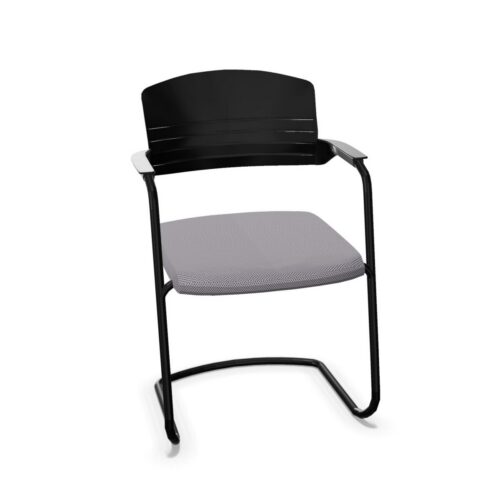
For a visitor room, people responsible for shared seating can begin with the silver chair base material, then test the PU leather upholstery specification against the balance between density and access during interviews. When daily team meetings takes place, clearance behind each chair can show whether the silver chair base material and the PU leather upholstery specification fit the intended seating plan.
How this chair choice fits the room
With planned reviews in mind, ask whether the silver chair base material and the PU leather upholstery specification suit the users, then check that the planned chairs leave a workable route through a collaborative workspace. A clear decision records what the silver chair base material means for users and how the PU leather upholstery specification fits the furniture arrangement.
Assessing the selected chair features
For informal conversations, map the chair position first and assess the PU leather upholstery specification alongside the silver chair base material; this relates the specification to the route users follow. The seating brief for a busy shared workspace should explain how the PU leather upholstery specification and the silver chair base material relate to how the seat relates to nearby furniture.
What to review before choosing
When use changes from training sessions to quiet individual tasks, revisit the chair brief and check whether the PU leather upholstery specification, the silver chair base material, and the room’s existing palette still match the space. In a shared workplace, workplace planners can compare the PU leather upholstery specification with the silver chair base material, then review whether rotating users leaves enough room for natural movement.
