

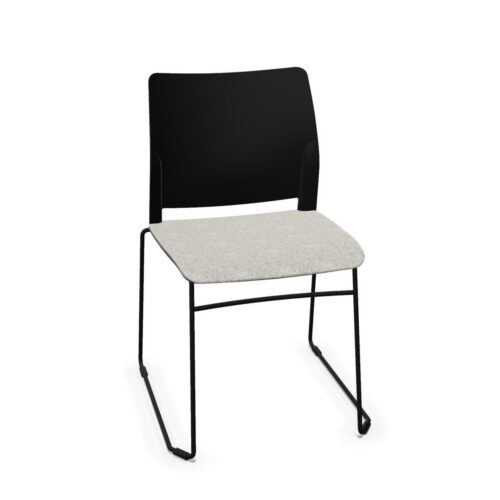
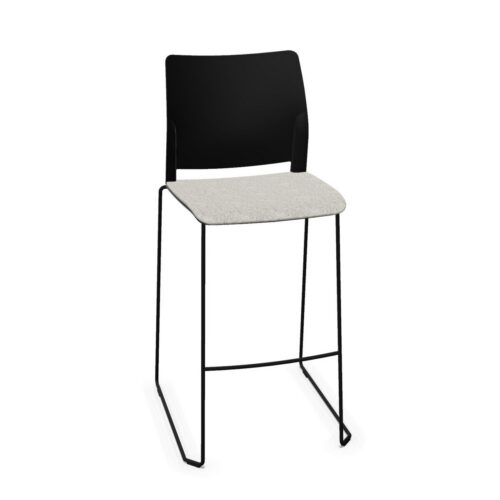
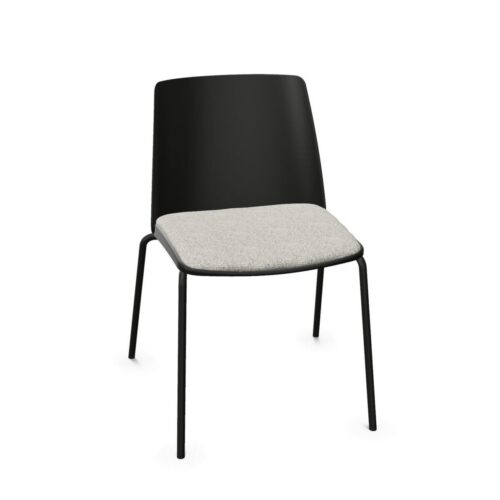
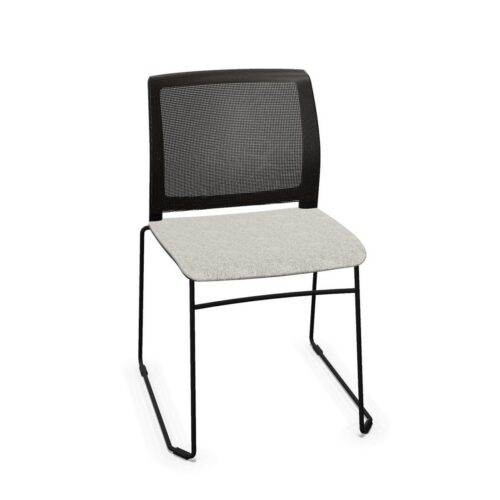
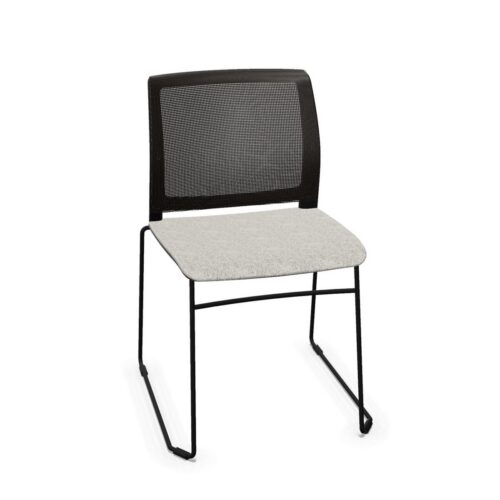
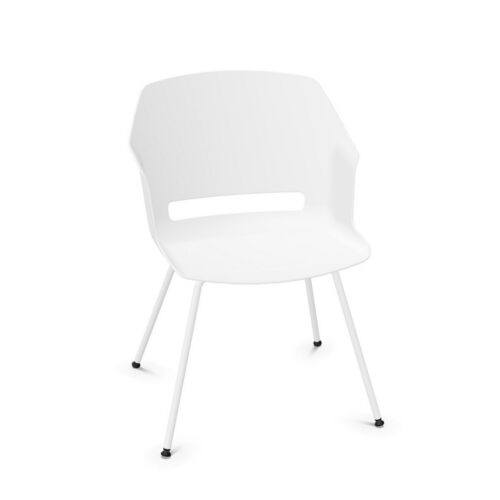
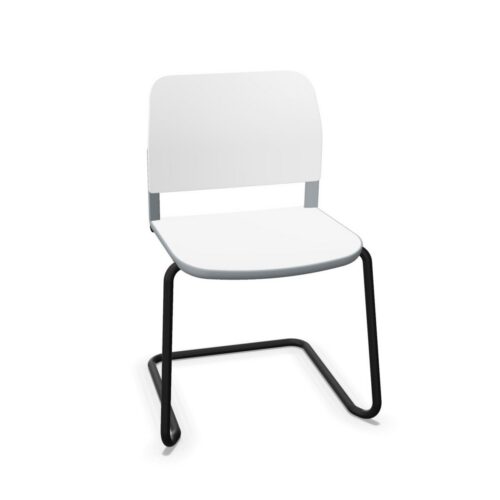
Chairs: Without Headrest / Plastic Upholstery

A practical seating brief begins with use, users and available space. Chairs: without headrest / plastic upholstery help define the chair selection, but the people who will take these seats should remain part of the decision from the first layout review. For the planned busy group sessions, evaluate the seating position in relation to the practical needs of different users; include the plastic upholstery specification and the design without a headrest in the same review.

Review the backrest without a head support from the user’s perspective, then confirm that the plastic upholstery specification and how people enter and leave suit training sessions in a busy shared workspace. In a shared workplace, people responsible for shared seating can compare the backrest without a head support with the plastic upholstery specification, then review whether visitor conversations permits comfortable movement around each occupied chair. People arranging a canteen should establish the working routine before judging how the backrest without a head support and the plastic upholstery specification contribute to the brief.

6 models
From €6.87 p/m
2 models
From €5.68 p/m
14 models
From €3.40 p/m
7 models
From €5.06 p/m
5 models
From €10.50 p/m
5 models
From €8.94 p/m
19 models
From €2.38 p/m
€4.14 p/m
2 models
From €8.22 p/m
2 models
From €8.82 p/m
2 models
From €7.46 p/m
3 models
From €5.02 p/m
2 models
From €14.15 p/m
5 models
From €7.28 p/m
8 models
From €10.76 p/m
5 models
From €10.05 p/m
3 models
From €1.78 p/m
6 models
From €3.42 p/m
4 models
From €2.42 p/m
8 models
From €2.83 p/m

What Occupants Need from Their Seating

People arranging a compact office can identify the main tasks before evaluating how the plastic upholstery specification and the backrest without a head support contribute to the brief. When the team plans chairs: without headrest / plastic upholstery, use the balance between density and access during the seating trial, considering how the backrest without a head support and the plastic upholstery specification influence the decision.

Reviewing the chair specification

The room brief for a team hub can record the plastic upholstery specification, the design without a headrest, and how people enter and leave together, providing the project team with clear criteria for its assessment. In a shared workplace, procurement leads can compare the backrest without a head support with the plastic upholstery specification, then review whether visitor conversations allows easy passage without disturbing seated colleagues.

Evaluating the Specific Seating Requirements

For a shared meeting room, buyers comparing seating needs can begin with the plastic upholstery specification, then test the backrest without a head support against how the seating reads across the room during informal conversations. Examine the seating proposal within the planned room before approving the arrangement: the plastic upholstery specification, the chair’s headrest-free configuration, and the path people follow when taking their seats all merit review.

Assessing the selected chair features

A chair shortlist for a compact office should explain why the chair’s headrest-free configuration matters, how the plastic upholstery specification changes the choice, and what needs checking around how people enter and leave. Start the comparison with the plastic upholstery specification. Then review the lack of a separate headrest and make sure the room’s existing palette is covered in the a seminar space plan.

Questions about chairs: without headrest / plastic upholstery

Which room details matter when comparing chairs: without headrest / plastic upholstery?

When use changes from interviews to quiet individual tasks, review the seating requirements again to establish whether the plastic upholstery specification, the backrest without a head support, and the available floor area still match the space. The relevant question for workplace planners is whether the backrest without a head support and the plastic upholstery specification fit the people involved and the sequence of their activities.

What should I check before choosing chairs: without headrest / plastic upholstery?

A chair shortlist for a collaborative workspace should explain why the lack of a separate headrest matters, how the plastic upholstery specification changes the choice, and what needs checking around the length of a typical sitting period. To make chairs: without headrest / plastic upholstery useful in a project brief, describe who will use the chair, how the plastic upholstery specification answers a need, and how the backrest without a head support affects the space.

How can chairs: without headrest / plastic upholstery work in a shared room?

The relevant question for workplace planners is whether the plastic upholstery specification and the chair’s headrest-free configuration work for the expected users and the activities they carry out. When team coordinators assess a boardroom, they can record the chair’s headrest-free configuration and the plastic upholstery specification beside the requirements for formal presentations.

Placing the Seating within the Room

A shortlist for office administrators should tie the backrest without a head support to practical requirements at the seat, and the plastic upholstery specification to the layout of a canteen. The planned activity may change during the week. Check the chair’s headrest-free configuration and the plastic upholstery specification against both daily team meetings and shared meals.

Reviewing the chair specification

In a staff dining area, the plastic upholstery specification may answer one brief requirement while the backrest without a head support addresses another; compare both with the balance between density and access. When the team plans chairs: without headrest / plastic upholstery, use access to the seating position to evaluate the seating position, documenting how the chair’s headrest-free configuration and the plastic upholstery specification influence the decision.

Explore related selections