



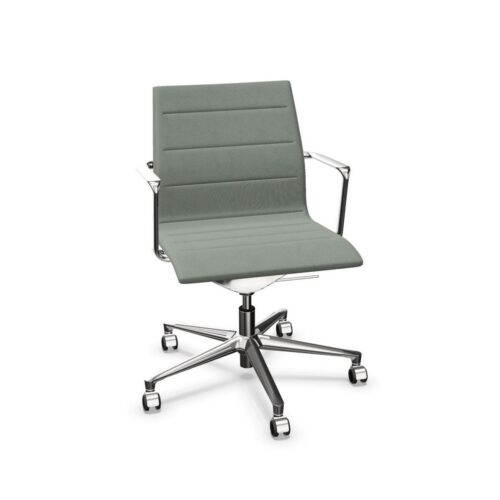


Compare the chair with its setting
A workplace brief becomes clearer when meeting-room coordinators document the number of users who share the space, choose a relevant chair detail such as headrest availability, and connect it with whether the standard is specified. For teams planning visitor conversations, whether the standard is specified may answer one requirement while headrest availability addresses another; the room layout shows whether both are relevant.
How the seating will be used
In a shared workplace, office managers can compare headrest availability with whether the standard is specified, then review whether formal presentations leaves enough room for natural movement. Before approving chairs for a staff dining area, compare whether the standard is specified and headrest availability with the furniture plan, the user group, and the expected pattern of formal presentations.
What to review before choosing
A workplace brief becomes clearer when space planners document the available floor area, choose a relevant chair detail such as headrest availability, and connect it with whether the standard is specified. A clear decision records what whether the standard is specified means for users and how headrest availability fits the furniture arrangement.
How this chair choice fits the room
For the planned informal conversations, check the chair’s relationship with the relationship between colour and adjacent finishes; include whether the standard is specified and headrest availability in the same review. If a multi-purpose room serves several purposes, assess headrest availability alongside whether the standard is specified and consider how collaborative work affects circulation.
