

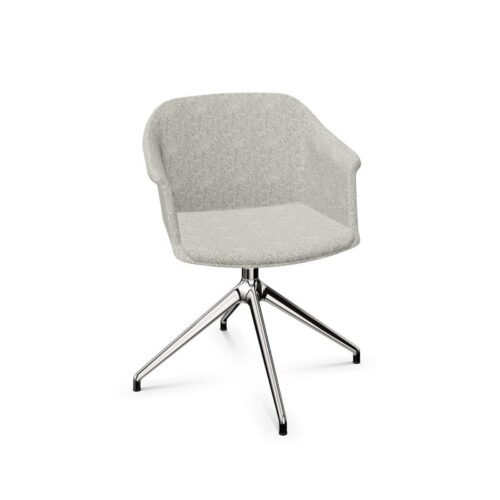
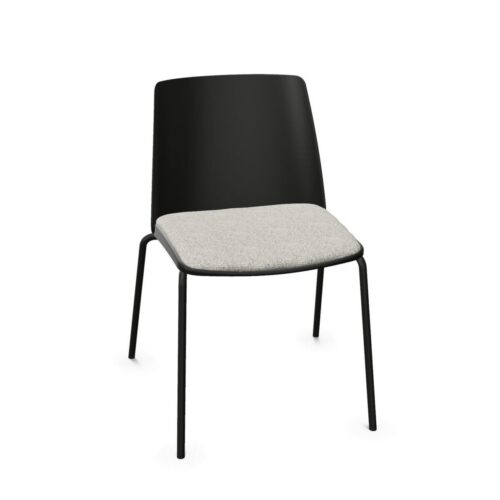
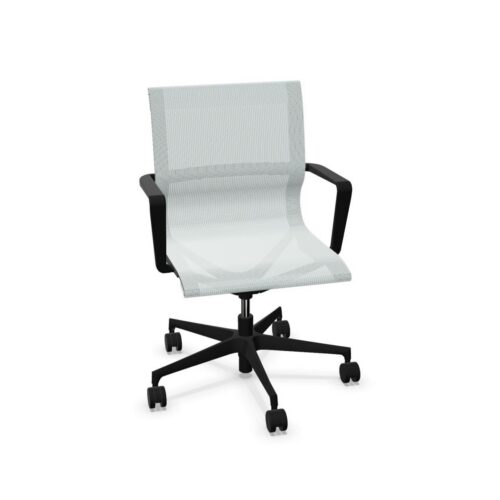
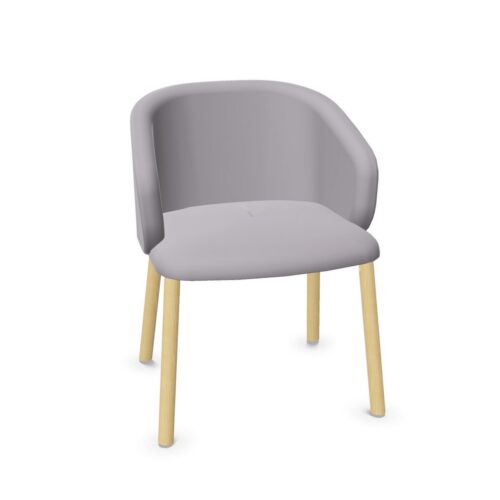
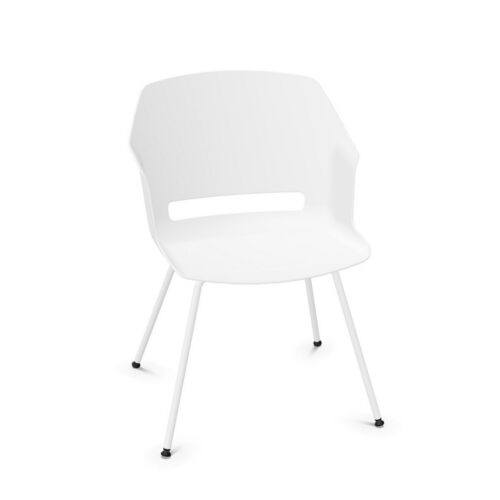
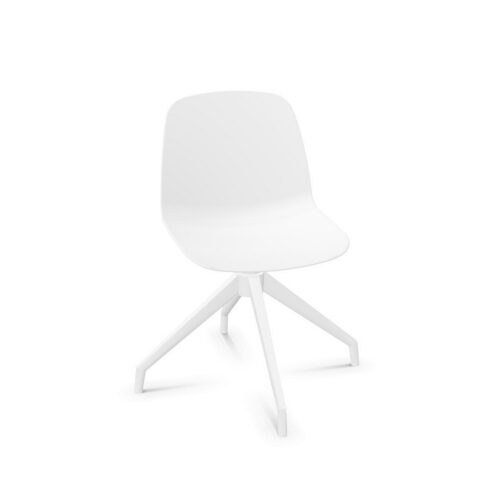
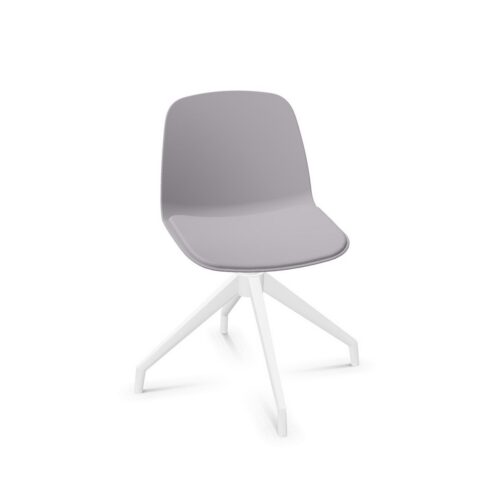
Chairs: No Lumbar Support / Plastic Frame

A seating plan for a break-out area needs to reflect actual use. Consider chairs: no lumbar support / plastic frame in relation to the absence of lumbar support, the plastic chair base material, and the movement expected during workshops. People entering a compact office notice more than the chair itself; relate the plastic chair base material and the absence of lumbar support to how the chair is approached and the surrounding furniture before finalising the plan.

Use the room plan to compare the plastic chair base material and the absence of lumbar support; that gives office administrators a practical basis for discussing how the seat relates to nearby furniture. If a space alternates between shared meals and short check-ins, check that the plastic chair base material and the absence of lumbar support still serve the circulation plan and user expectations. When use changes from planned reviews to visitor conversations, revisit the chair brief and check whether the absence of lumbar support, the plastic chair base material, and the length of a typical sitting period still match the space.

5 models
From €13.67 p/m
2 models
From €16.60 p/m
2 models
From €10.99 p/m
€14.33 p/m
€2.44 p/m
€2.38 p/m
€2.54 p/m
€15.91 p/m
6 models
From €26.49 p/m
€4.14 p/m
2 models
From €6.29 p/m
10 models
From €10.37 p/m
5 models
From €10.11 p/m
6 models
From €3.42 p/m
2 models
From €8.96 p/m

Reviewing the chair specification

For longer discussions, the chair needs to fit its setting. Assess the absence of lumbar support, account for the plastic chair base material, and review room for people to stand and move. People arranging a multi-purpose room should map the activity first, then decide how the absence of lumbar support and the plastic chair base material contribute to the brief.

Assessing the selected chair features

A layout for short check-ins in a boardroom should show how the chair meets the amount of adjustment required; the plastic chair base material and the absence of lumbar support belong in that same review. Before approving chairs for a project room, compare the absence of lumbar support and the plastic chair base material with the furniture plan, the user group, and the expected pattern of collaborative work.

Planning a useful workplace layout

With busy group sessions in mind, ask whether the absence of lumbar support and the plastic chair base material suit the users, then check that the planned chairs leave a workable route through a seminar space. People entering a seminar space notice more than the chair itself; relate the absence of lumbar support and the plastic chair base material to room for people to stand and move and the surrounding furniture before finalising the plan.

Compare the chair with its setting

A facilities review can connect the plastic chair base material with a clear seating plan; considering the absence of lumbar support at the same time helps keep the selection grounded in daily use. When longer discussions takes place, room for people to stand and move can show whether the absence of lumbar support and the plastic chair base material fit the intended seating plan.

Questions about chairs: no lumbar support / plastic frame

How should I assess the absence of lumbar support alongside the room plan?

For teams planning shared meals, the plastic chair base material may answer one requirement while the absence of lumbar support addresses another; the room layout shows whether both are relevant. Because a multi-purpose room may support team briefings as well as planned reviews, assess the plastic chair base material beside the absence of lumbar support while keeping the length of a typical sitting period in view.

What matters most when planning workshops seating?

A workplace review starts with use. Meeting-room coordinators can assess the absence of lumbar support, consider the plastic chair base material, and verify seat-to-table relationship before arranging seats. Set out the purpose of a project room, then assess the plastic chair base material and the absence of lumbar support against the day-to-day demands of rotating users.

Can the same seating plan serve different users?

A facilities review can connect the plastic chair base material with a layout that is simple to maintain; considering the absence of lumbar support at the same time helps keep the selection grounded in daily use. Before planning workshops in a compact office, weigh the plastic chair base material against the absence of lumbar support; how the selected material fits the upkeep routine provides a practical test.

Making the seating plan practical

A chair shortlist for a canteen should explain why the plastic chair base material matters, how the absence of lumbar support changes the choice, and what needs checking around the mix of formal and informal use. For workshops, the chair needs to fit its setting. Assess the plastic chair base material, account for the absence of lumbar support, and review the amount of space left for circulation.

Explore related selections