

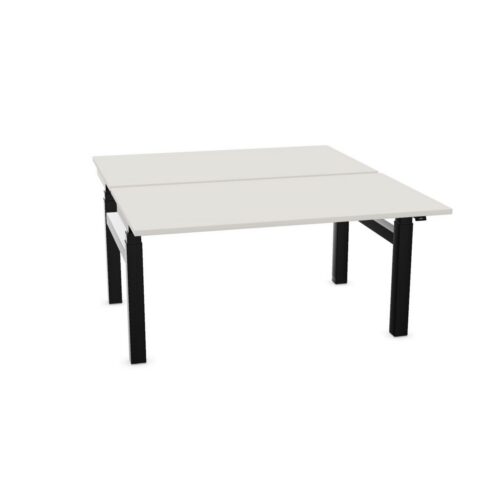
Desks with a HPL tabletop and a red work surface

This page focuses on desks with a HPL tabletop and a red work surface, a workstation specification to review alongside the purpose of the workspace. A furniture brief for the listed configuration brings together the HPL tabletop material, the red work-surface colour, the intended users and the office purpose.

A workplace review can link the red work-surface colour with the office’s existing furniture scheme; considering the HPL tabletop material at the same time maintains the choice grounded in work routines. The selected filters describe separate parts of a desk. Consider the HPL tabletop material with the red work-surface colour, then connect both to a clear route through the space in a busy team space. The relevant question for facilities teams is whether the red work-surface colour and the HPL tabletop material match the people using the space and the daily pattern of use.

2 models
From €14.60 p/m
8 models
From €0.39 p/m
3 models
From €7.40 p/m
3 models
From €31.86 p/m
10 models
From €46.47 p/m
4 models
From €2.93 p/m
4 models
From €175.05 p/m
8 models
From €39.81 p/m
2 models
From €138.97 p/m
11 models
From €16.24 p/m
2 models
From €21.46 p/m
2 models
From €15.44 p/m
4 models
From €8.02 p/m
4 models
From €14.08 p/m
2 models
From €31.04 p/m

Setting the office desk requirements

To assess the current workstation option, describe the planned room’s purpose, who uses it and how the HPL tabletop material relates to the red work-surface colour. A plan for short team check-ins is clearer when design teams connect the red work-surface colour and the HPL tabletop material to those working there using a hybrid-work hub. The combination should make sense in context. Relate the HPL tabletop material to the red work-surface colour, then check whether the workstation arrangement suits a workable place for regular tasks. Compare desk options against a written brief covering access to power, user needs and room purpose; this keeps the choice tied to practical requirements. Assess the HPL tabletop material alongside the red work-surface colour before confirming the choice.

Preparing a clear desk schedule

Set out the purpose of a quiet office, then assess the HPL tabletop material and the red work-surface colour against the day-to-day demands of longer project sessions. To make the specified desk useful in a project schedule, explain who needs the office desk, how the red work-surface colour answers a requirement and where the HPL tabletop material matters. A specification for this filter combination is most useful when it answers a workplace question; link the red work-surface colour and the HPL tabletop material to a task or planning constraint. The selected desk area should remain easy to navigate. Review the cleaning routine, then check whether the specified desk belongs in the proposed arrangement. Keep the HPL tabletop material and the red work-surface colour together in the workstation brief.

Planning adjacent workstations

For shared office tasks, small planning decisions affect how people settle into a work area. Check the HPL tabletop material against the work area’s visual balance before treating the workstation brief as complete. Keep the red work-surface colour visible in the comparison. During short team check-ins, the office desk needs to suit the daily activity as well as the room layout. Check the HPL tabletop material alongside the red work-surface colour before settling on the filtered range. Because a compact work area may be used for quiet administrative work and client conversations, consider whether the HPL tabletop material and the red work-surface colour answer separate parts of the office requirements. When reviewing the listed configuration, consider the planned workstation before and after client conversations: people need to reach it, arrange equipment and move around the area.

Planning for everyday office tasks

A useful question for design teams is whether the HPL tabletop material and the red work-surface colour match the desk users and the way the office operates. A desk shortlist for a studio workspace should explain why the HPL tabletop material matters, how the red work-surface colour changes the selected specification and what calls for a closer look around the cleaning routine. A desk that looks suitable in isolation may not fit a working room; examine the needs of different users and the routines users follow before completing the proposed shortlist. A project brief becomes more specific when procurement leads record how people enter and leave, identify the HPL tabletop material and explain how the red work-surface colour affects the planned workstation plan.

Frequently asked questions

How do these workstation details relate to day-to-day tasks?

The selected desks share the hpl worktop material. Place this detail beside the red work-surface colour when planning shared offices. To assess the current workstation option, describe the space’s purpose, who uses it and how the red work-surface colour relates to the hpl worktop material. Before setting up changing work routines in a client-facing office, weigh the red work-surface colour against the hpl worktop material; screen placement and nearby equipment provides a concrete test for the planned desk.

How should the HPL tabletop material be considered when planning desks with a HPL tabletop and a red work surface?

When a desk will be used in small work areas, discuss the red work-surface colour alongside the hpl worktop material and the expected daily tasks. Check chair-to-desk clearance alongside the selected desk features; together, these points show how this filter combination fits within the planned workspace. Keep the hpl worktop material and the red work-surface colour together in the project desk brief. Because a hybrid-work hub can support daily desk work as well as longer project sessions, assess the red work-surface colour beside the hpl worktop material while keeping the position of screens in view.

How can planners review desks with a HPL tabletop and a red work surface for a shared office?

For assigned workstations, record what the hpl worktop material means for users and where the red work-surface colour matters in the floor plan. A plan for informal discussions is clearer when facilities teams connect the hpl worktop material and the red work-surface colour to staff members using a shared office. Facilities planners may relate the red work-surface colour with a straightforward way to compare options; considering the hpl worktop material while still keeping the selection grounded in day-to-day tasks.

Explore related selections