

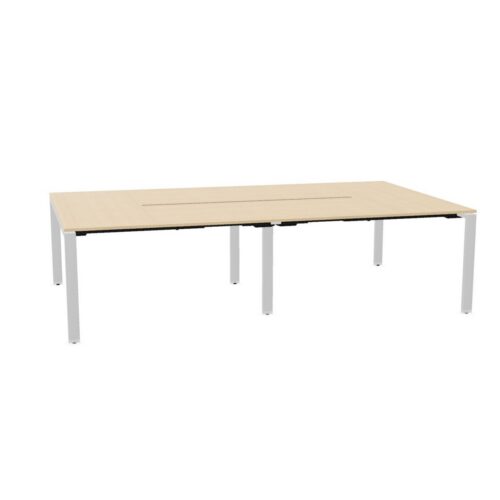
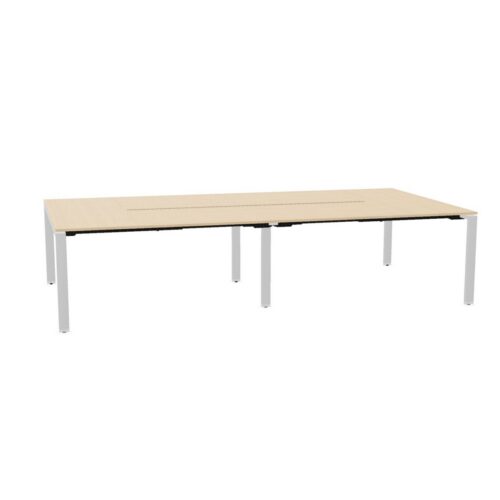
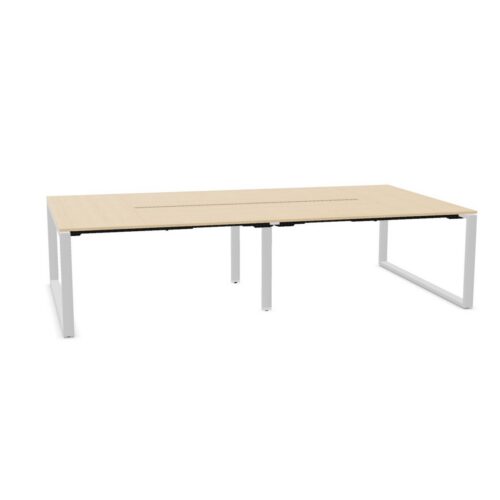
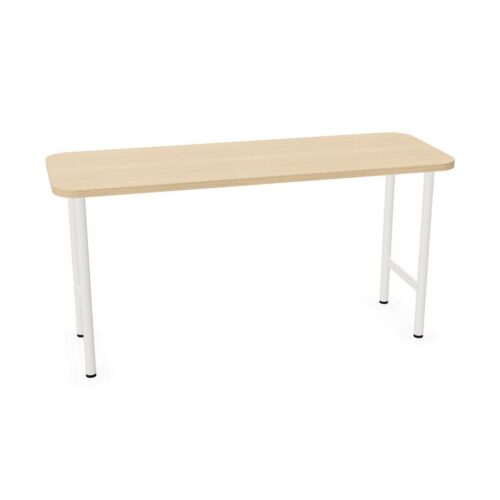
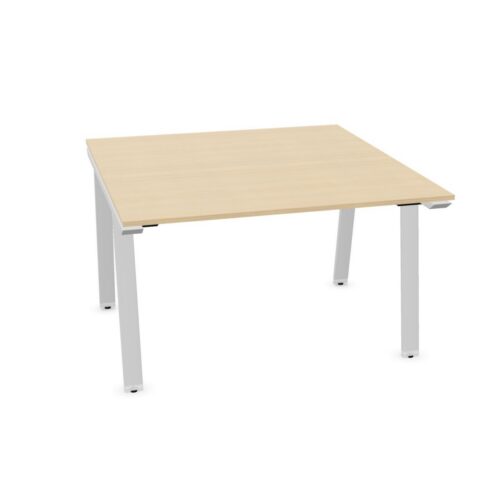
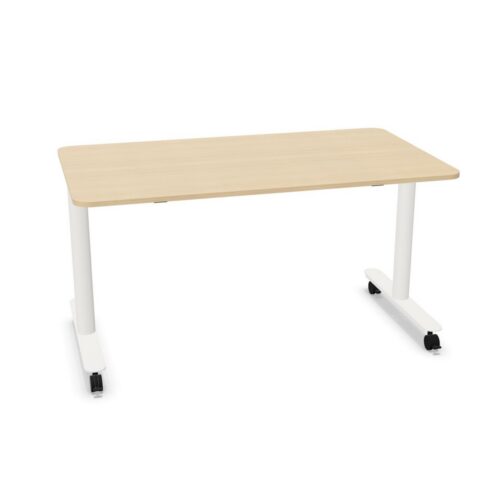
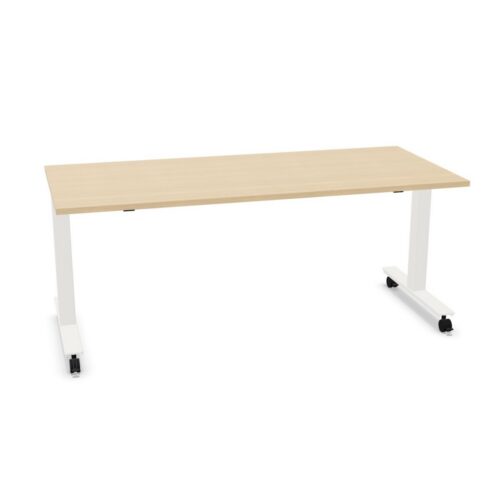
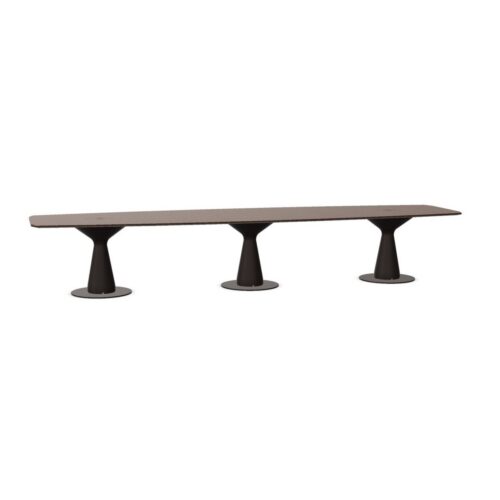
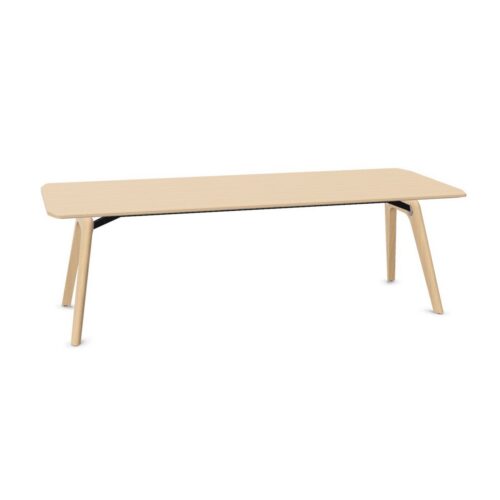
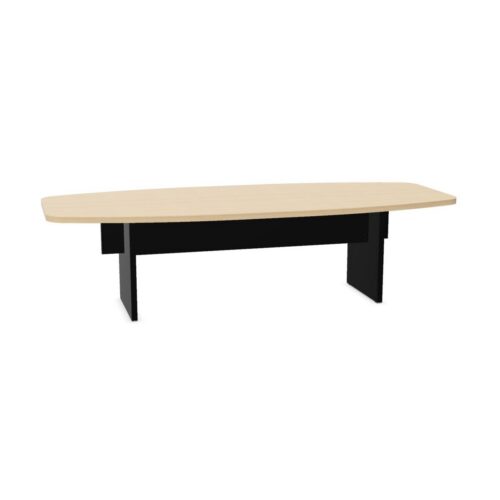
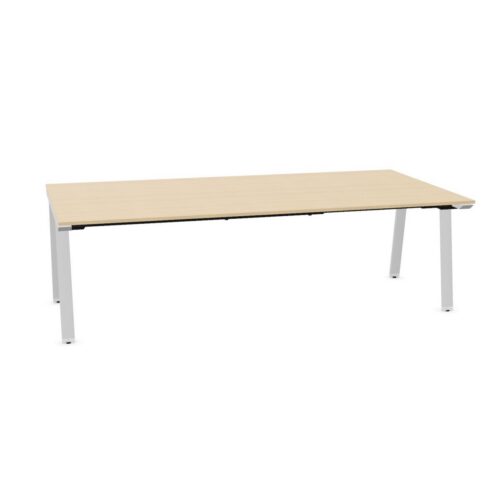
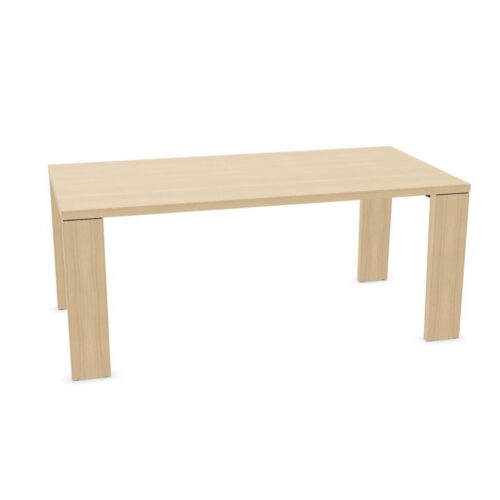
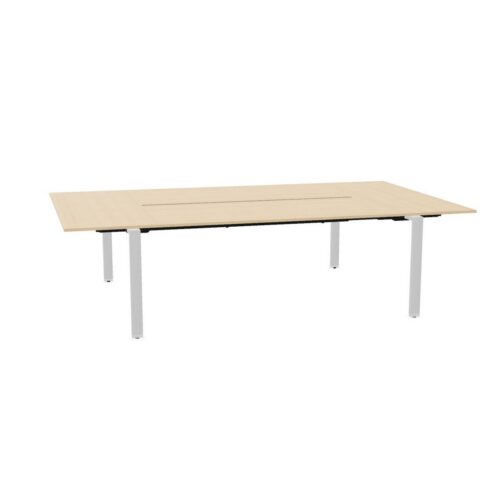
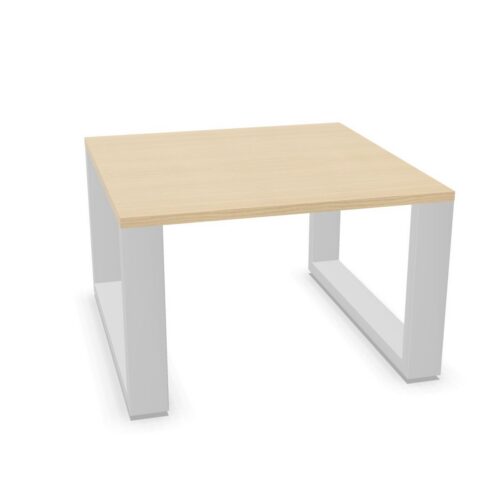
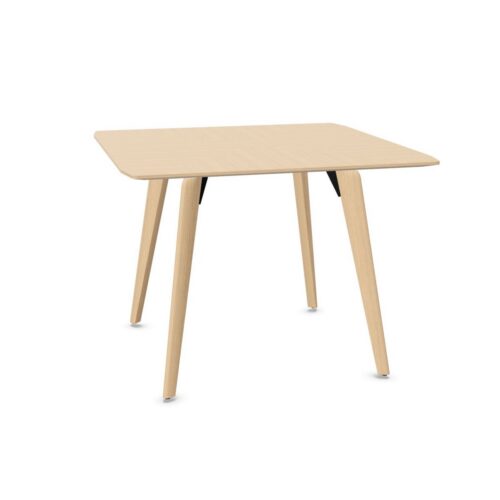
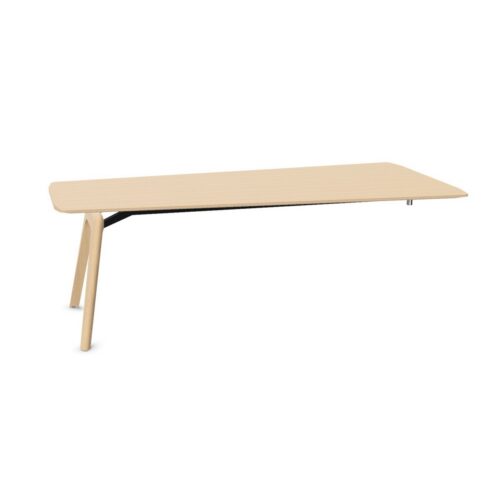
Desks with an Oak tabletop and the no-cable-tray option

This page focuses on desks with an Oak tabletop and the no-cable-tray option, a selected desk details to review alongside the purpose of the workspace. A plan for shared office tasks is clearer when workplace coordinators connect the no-cable-tray configuration and the Oak tabletop material to staff members using a project room.

The final arrangement for the current workstation option should reflect the Oak tabletop material, the no-cable-tray configuration, those working there doing the intended tasks and the route through the space. For changing work routines workstations, begin with walking routes and the location of equipment; then confirm how the Oak tabletop material and the no-cable-tray configuration affect the furniture plan. For a meeting suite project, keep the Oak tabletop material visible in the project brief and check whether the no-cable-tray configuration works with the relationship with nearby storage.

5 models
From €39.93 p/m
2 models
From €17.02 p/m
8 models
From €39.85 p/m
10 models
From €8.34 p/m
14 models
From €8.77 p/m
2 models
From €61.81 p/m
€22.18 p/m
€31.10 p/m
24 models
From €6.52 p/m
22 models
From €7.56 p/m
23 models
From €0.94 p/m
8 models
From €7.91 p/m
4 models
From €25.24 p/m
8 models
From €7.93 p/m
2 models
From €24.85 p/m
€7.77 p/m
2 models
From €14.60 p/m
€76.46 p/m
5 models
From €0.70 p/m

Reviewing the desk setup specification

A furniture brief for this filter combination brings together the Oak tabletop material, the no-cable-tray configuration, the intended users and the office purpose. Compare the specified desks with the space before confirming a layout: the no-cable-tray configuration, the Oak tabletop material and the needs of different users all merit review. Useful project notes explain why the filtered range was shortlisted, who it serves and what the project team should confirm during room planning. For this desk specification, relate the Oak tabletop material to the no-cable-tray configuration. For teams planning individual research, the no-cable-tray configuration may answer one requirement while the Oak tabletop material addresses another; the planned room layout shows whether both belong in the project brief.

Coordinating positioning of desks

A workable plan for the specified desk leaves room to approach the selected desk, complete daily desk work and move around without disrupting the rest of a client-facing office. A desk that looks suitable in isolation may not fit a working room; examine the connection with existing finishes and the routines users follow before completing the proposed shortlist. Before setting up shared office tasks in a busy team space, weigh the no-cable-tray configuration against the Oak tabletop material; the relationship with storage provides a useful check on the proposed desk setup. When the work area has several uses, consider whether the no-cable-tray configuration and the Oak tabletop material remain relevant across longer project sessions and team briefings.

Building a practical comparison

For planners preparing a workplace planning a hybrid-work hub, relate the no-cable-tray configuration to the Oak tabletop material, then review the circulation route within the planned room against informal discussions before finalising the filtered range. The planned activity may change during the week. Check the no-cable-tray configuration and the Oak tabletop material against both changing work routines and video calls. For video calls, the office desk has to suit its setting. Assess the no-cable-tray configuration, account for the Oak tabletop material and review the arrangement of adjacent furniture before arranging surrounding pieces. For the filtered range, a useful desk brief records the no-cable-tray configuration, the Oak tabletop material, the activity and available space instead of letting one preference decide the project plan.

Reviewing the fit-out requirements

The office desk specification gains context from the work area. Consider the Oak tabletop material, the no-cable-tray configuration and the balance of solo and collaborative tasks together before deciding how to arrange short team check-ins workstations. When reviewing the specified desk, consider the desk setup before and after team briefings: people need to reach it, arrange equipment and move around the area. Keep the Oak tabletop material and the no-cable-tray configuration together in the desk requirements. Room finishes, furnishings and light affect how a desk is perceived; compare the no-cable-tray configuration and the Oak tabletop material with the elements already in place. In a shared workplace, office administrators can compare the Oak tabletop material with the no-cable-tray configuration, then check whether informal discussions keeps the regular circulation route open.

Frequently asked questions

How can planners review desks with an Oak tabletop and the no-cable-tray option for a shared office?

The filter brings together the oak worktop material and the cable-tray choice, giving planners a narrower brief for assigned workstations. For the selected desk configuration, a useful desk brief records the cable-tray choice, the oak worktop material, the activity and available space instead of letting one preference decide the furniture plan. If an open-plan workplace serves several purposes, assess the cable-tray choice alongside the oak worktop material and consider how short team check-ins affects access around the desks.

What information should accompany a desk requirements?

A planning review can connect the cable-tray choice with the oak worktop material and floor-plan fit. For focused computer work, the office desk has to suit its setting. Assess the oak worktop material, account for the cable-tray choice and review screen placement and nearby equipment before arranging furniture around the desk. If the planned work pattern changes, revisit the desk requirements and check whether the oak worktop material, the cable-tray choice and chair clearance still match the work area.

What should a team check alongside desks with an Oak tabletop and the no-cable-tray option?

The final desk choice should account for the oak worktop material, the cable-tray choice and the expected use of staff workrooms. If a compact work area is shared, ask different users to review the proposed plan. Their feedback can clarify how the cable-tray choice relates to everyday work. Check the oak worktop material against the intended use. A shortlist for workplace coordinators should tie the cable-tray choice to a user need and the oak worktop material to the proposed plan of a new office fit-out.

Explore related selections