



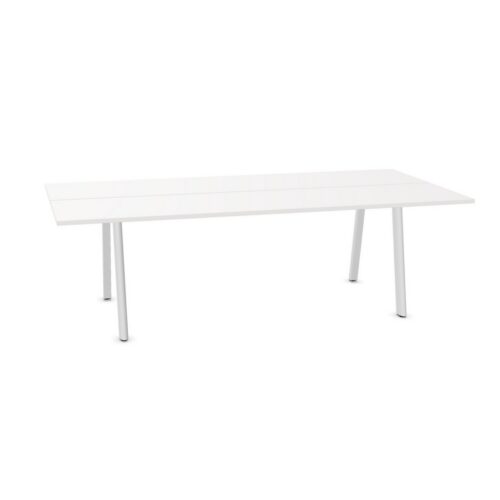
Comparing the listed desk details
During team briefings, the workstation needs to suit the daily activity as well as the room layout. Check the steel base material alongside the oval tabletop shape before settling on the current workstation option. Rather than applying one rule throughout the office, review the specified desk in each planned zone and note any difference in how the space is used. Assess the oval tabletop shape alongside the steel base material before confirming the choice. To assess the specified desk, describe the space’s purpose, who uses it and how the oval tabletop shape relates to the steel base material. Before setting up client conversations in a focused work area, weigh the oval tabletop shape against the steel base material; the needs of different users provides a way to review the intended workstation.
Building a practical comparison
When office managers compare the listed configuration, start with the steel base material, then test the oval tabletop shape against how a user approaches the selected desk before the desk arrangement is agreed. The desk setup should support the full activity, so procurement leads can review the oval tabletop shape and the steel base material against screen placement and nearby equipment before finalising a reception office. A useful question for workplace planners is how the oval tabletop shape changes the working position decision once the steel base material and movement of people across the work area are reviewed together. People entering a busy team space notice more than the desktop finish; relate the steel base material and the oval tabletop shape to the connection with existing finishes and furniture around the desk before completing the furniture plan.
Preparing a clear desk schedule
A furniture plan for online meetings in a meeting suite should make the relationship between the steel base material and the oval tabletop shape clear, while leaving the needs of different users open for review. For interior project teams planning a private office, relate the oval tabletop shape to the steel base material, then review the balance of solo and collaborative tasks against shared office tasks before finalising the specified desk. When a meeting suite is shared, workplace coordinators should review the oval tabletop shape, ask who relies on the steel base material and check the access route. A concise project note links the oval tabletop shape to the steel base material and records how the available floor area affects the selected desk arrangement in a team hub.
