

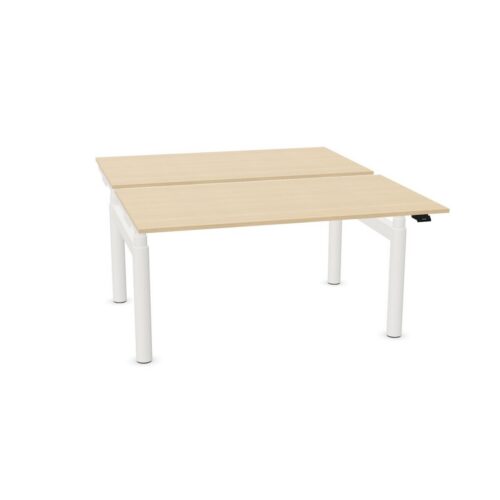
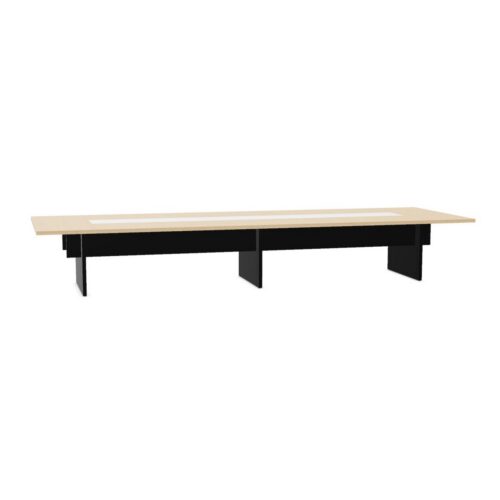
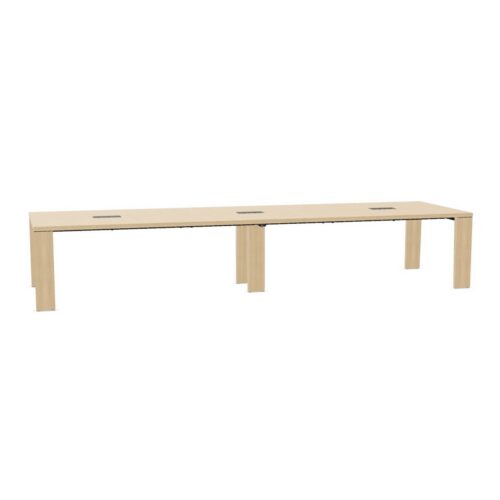
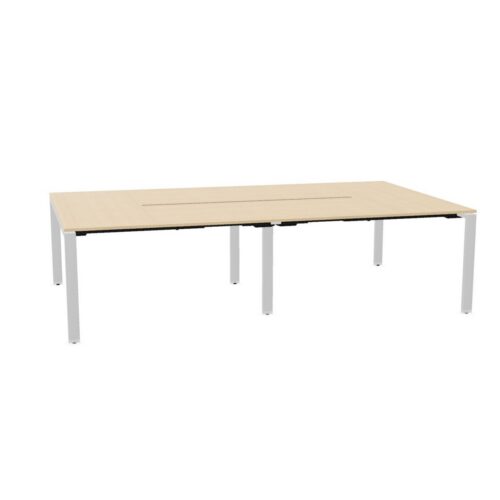
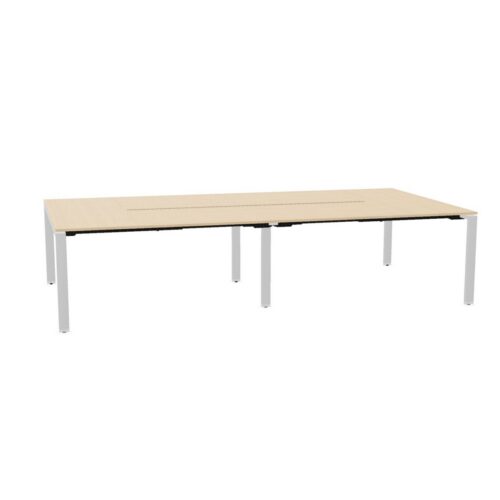
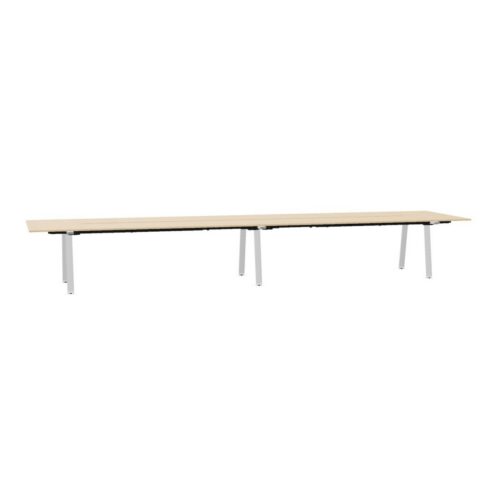
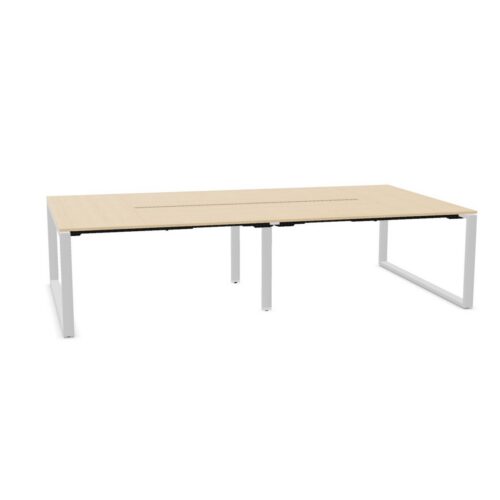
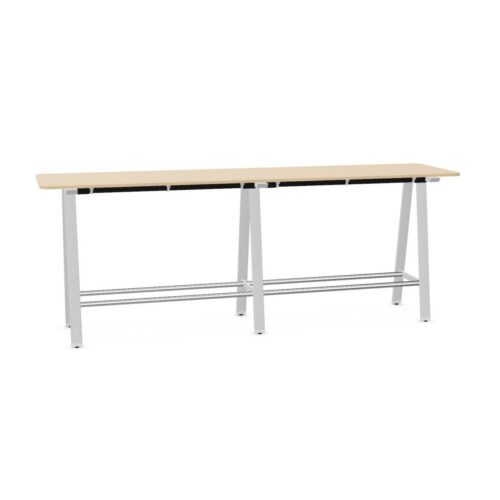
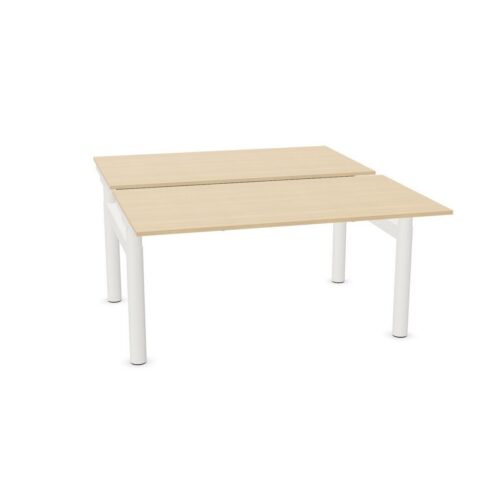
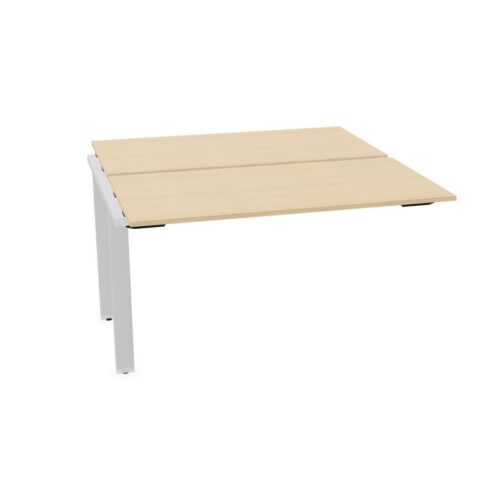
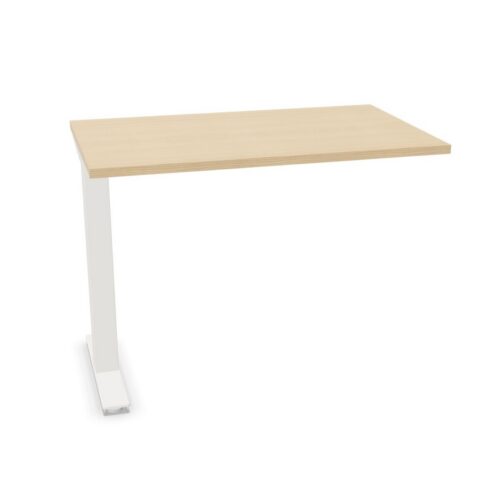
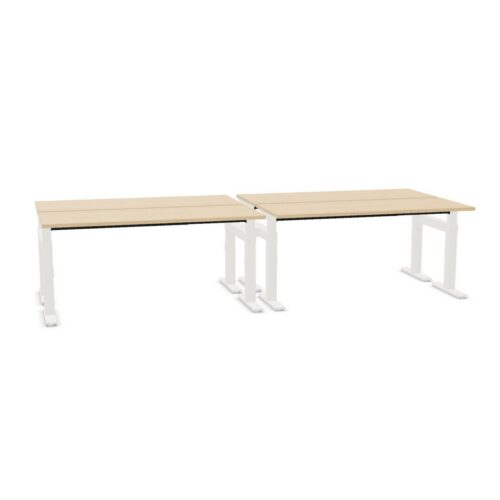
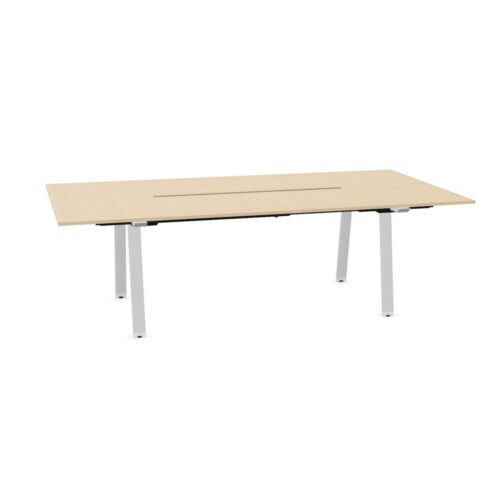
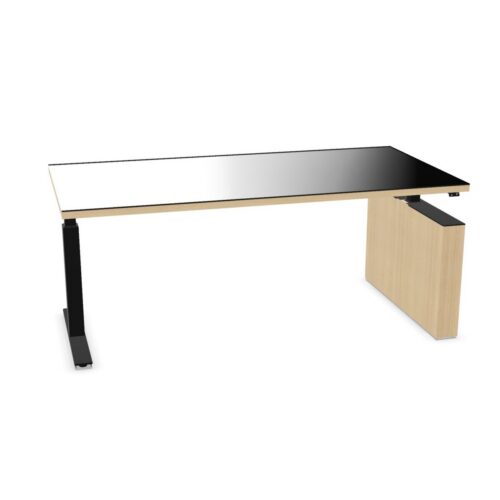
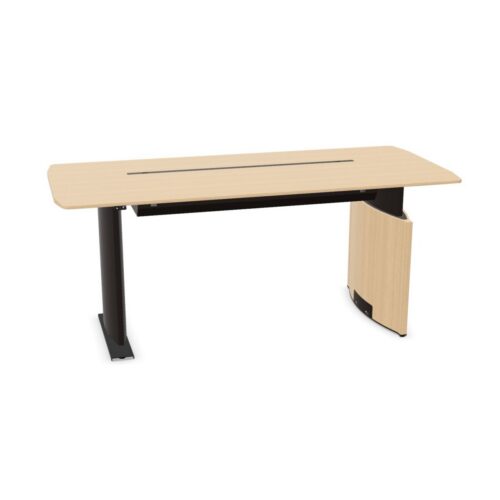
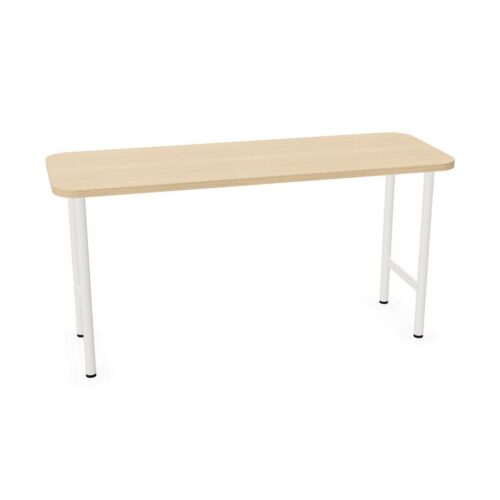
Desks with a rectangular tabletop and a metal base

For projects specifying desks with a rectangular tabletop and a metal base, the filter provides a practical starting point for desk planning. Before the listed configuration is added to the schedule, confirm the listed configuration and relate it to the metal base material, the wider furniture scheme plan and room access. Also assess the rectangular tabletop shape in the space plan.

For video calls workstations, begin with movement through the space and the location of equipment; then confirm how the rectangular tabletop shape and the metal base material affect the furniture plan. A shortlist for procurement leads should tie the metal base material to a user need and the rectangular tabletop shape to the proposed plan of a private office. For procurement leads planning a focused work area, relate the metal base material to the rectangular tabletop shape, then review how people enter and leave against daily desk work before finalising the selected desk configuration.

2 models
From €10.30 p/m
3 models
From €44.81 p/m
€47.13 p/m
2 models
From €15.60 p/m
3 models
From €5.25 p/m
5 models
From €65.97 p/m
5 models
From €39.93 p/m
2 models
From €17.02 p/m
8 models
From €39.85 p/m
2 models
From €54.39 p/m
10 models
From €8.34 p/m
14 models
From €8.77 p/m
2 models
From €28.17 p/m
2 models
From €61.81 p/m
2 models
From €11.11 p/m
3 models
From €51.72 p/m
7 models
From €24.93 p/m
2 models
From €14.84 p/m
3 models
From €5.39 p/m
2 models
From €55.04 p/m
4 models
From €32.90 p/m

Using the filter in a workplace requirements

In a project note, explain how the rectangular tabletop shape affects the office desk choice and how the metal base material relates to the planned equipment for the workstation. Use the space plan to compare the rectangular tabletop shape and the metal base material; that gives design teams a practical basis for discussing access to power. A workplace requirements becomes more specific when team coordinators record how people enter and leave, identify the metal base material and explain how the rectangular tabletop shape affects the working position plan. Before setting up collaborative planning in a studio workspace, weigh the rectangular tabletop shape against the metal base material; the circulation path across the proposed office provides a useful check on the proposed desk setup.

Setting the office desk requirements

If a collaborative zone serves several purposes, assess the metal base material alongside the rectangular tabletop shape and consider how changing work routines affects walking routes. The planned room brief for a private office can record the rectangular tabletop shape, the metal base material and the available floor area together, giving colleagues a concrete basis for comparison. For the office desk specification, a consistent desk choice depends on the metal base material, the rectangular tabletop shape, the intended activity and what users notice during regular work. The selected filters describe separate parts of a desk. Consider the rectangular tabletop shape with the metal base material, then connect both to the needs of people sharing the area in a planning area.

Matching desk details to work routines

Review the metal base material from the person using the desk’s perspective, then confirm that the rectangular tabletop shape and the relationship with nearby storage suit team briefings in a busy team space. When comparing this filter combination for a studio workspace, record what needs to stay consistent and what can vary; that helps later decisions stay aligned with the project brief. Assess the rectangular tabletop shape alongside the metal base material before confirming the choice. Start the comparison with the metal base material. Then review the rectangular tabletop shape and make sure how people enter and leave is covered in the a team hub plan. A desk schedule for this filter combination can record the chosen values beside workstation positions, giving colleagues a reference during video calls. For this desk specification, relate the rectangular tabletop shape to the metal base material.

Reviewing the desk setup specification

An office used for short team check-ins may need a different layout from one used for online meetings; consider how the rectangular tabletop shape and the metal base material fit both patterns. When use changes from shared office tasks to quiet administrative work, revisit the desk requirements and check whether the rectangular tabletop shape, the metal base material and access to power still match the space. For teams planning team briefings, the metal base material may answer one requirement while the rectangular tabletop shape addresses another; the work area layout shows whether both belong in the project requirements. A useful question for business owners is how the metal base material changes the working position decision once the rectangular tabletop shape and access to power are reviewed together.

Frequently asked questions

Which project details matter when comparing desks with a rectangular tabletop and a metal base?

Use the rectangular tabletop outline as the starting point, then consider whether the metal support material answers the needs of busy work floors. When the work involves video calls, the proposed locations of power and devices can show whether the metal support material and the rectangular tabletop outline fit the intended desk plan. For a quiet office, planners preparing a workplace can begin with the metal support material, then test the rectangular tabletop outline against the relationship with storage while planning daily desk work.

How should the rectangular tabletop shape be considered when planning desks with a rectangular tabletop and a metal base?

Check how the metal support material relates to the rectangular tabletop outline before placing equipment or surrounding pieces. The combination should make sense in context. Relate the metal support material to the rectangular tabletop outline, then check whether the office desk arrangement suits a cohesive office arrangement. For daily desk work workstations, begin with access around the desks and the location of equipment; then confirm how the metal support material and the rectangular tabletop outline affect the project plan.

How do these workstation details relate to everyday activity?

A useful comparison places the rectangular tabletop outline beside the metal support material; this relationship matters when arranging quiet task areas. A considered desk plan accounts for the position of adjacent desks before furniture is positioned; this helps determine how the metal support material and the rectangular tabletop outline relate to the task. Use the space plan to compare the metal support material and the rectangular tabletop outline; that gives team coordinators a practical basis for discussing the equipment positioned on the office desk.

Explore related selections