

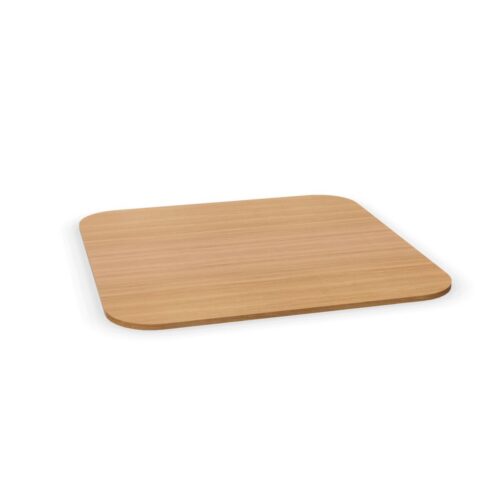
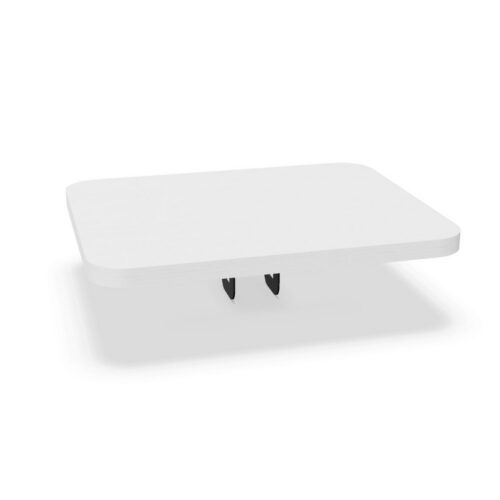
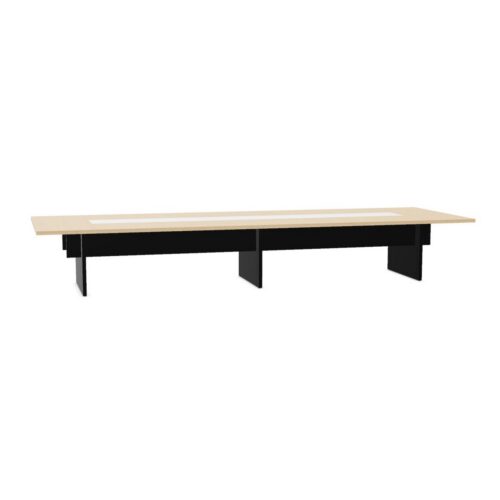
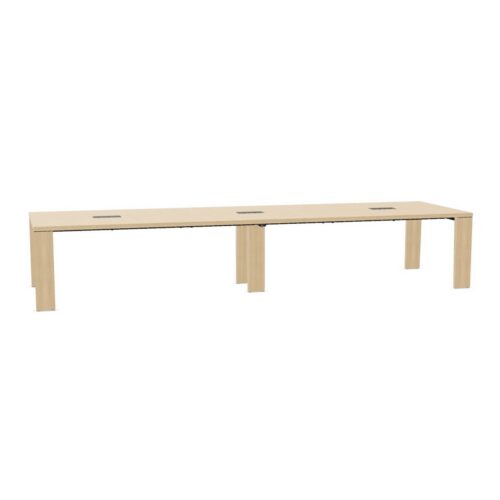
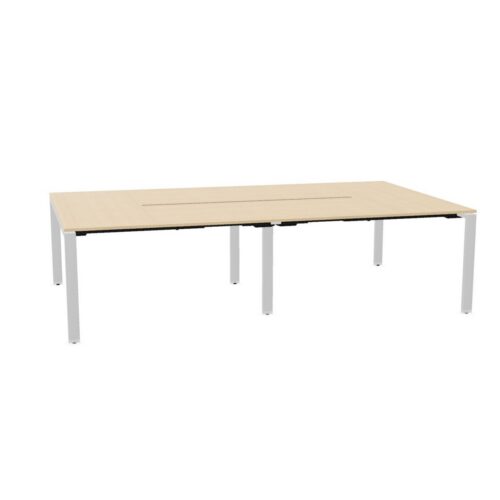
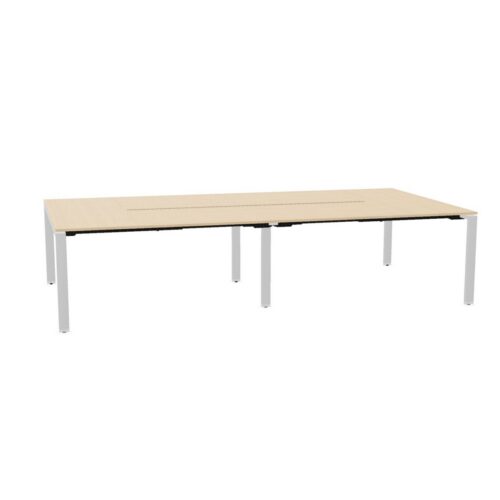
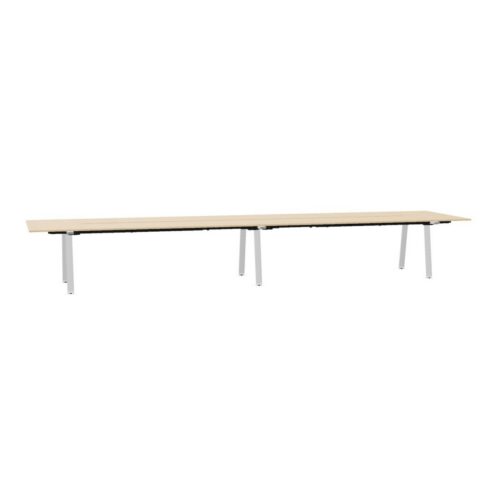
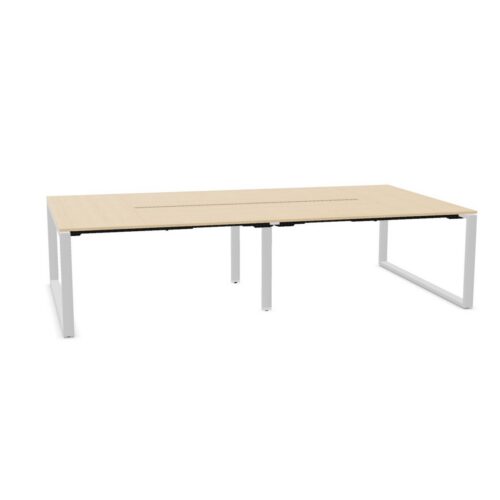
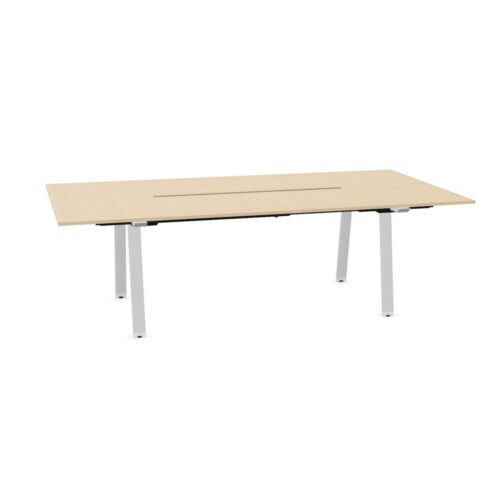
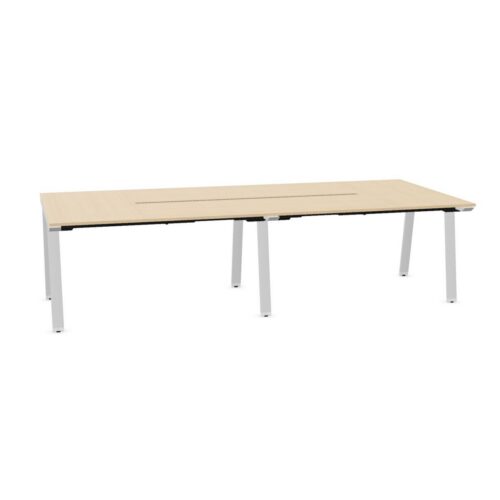
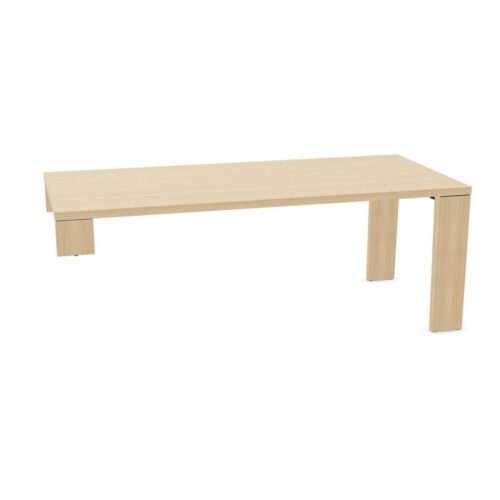
Desks with a rectangular tabletop and a red work surface

This selection of desks with a rectangular tabletop and a red work surface gives office planners a defined basis for comparing desk listings. A desk shortlist for a meeting suite should explain why the rectangular tabletop shape matters, how the red work-surface colour changes the desk details and what requires review around access to power.

A furniture plan for longer project sessions in a new office fit-out should make the relationship between the red work-surface colour and the rectangular tabletop shape clear, while leaving access to the working position open for review. Before approving desks for a private office, compare the red work-surface colour and the rectangular tabletop shape with the wider furniture scheme plan, the intended users and the expected pattern of document review. To make the current workstation option useful in a project schedule, explain who needs the selected desk, how the rectangular tabletop shape answers a requirement and where the red work-surface colour matters.

3 models
From €27.53 p/m
3 models
From €44.81 p/m
5 models
From €27.43 p/m
2 models
From €7.99 p/m
12 models
From €4.31 p/m
3 models
From €41.70 p/m
3 models
From €5.25 p/m
5 models
From €65.97 p/m
5 models
From €39.93 p/m
2 models
From €17.02 p/m
8 models
From €39.85 p/m
2 models
From €54.39 p/m
10 models
From €8.34 p/m
14 models
From €8.77 p/m
2 models
From €28.17 p/m
2 models
From €28.70 p/m
2 models
From €61.81 p/m
2 models
From €44.05 p/m
4 models
From €32.90 p/m

Using the filter in a office requirements

A specification for this filter combination is most useful when it answers a workplace question; link the rectangular tabletop shape and the red work-surface colour to a task or planning constraint. The planned workstation should support the full activity, so workplace consultants can review the red work-surface colour and the rectangular tabletop shape against the needs of different users before finalising a project room. The final arrangement for the listed configuration should reflect the red work-surface colour, the rectangular tabletop shape, those working there doing the intended tasks and the route through the space. To assess this filter combination, describe the space’s purpose, who uses it and how the red work-surface colour relates to the rectangular tabletop shape.

Preparing a clear desk schedule

Room finishes, furnishings and light affect how a desk is perceived; compare the red work-surface colour and the rectangular tabletop shape with the elements already in place. Think of the rectangular tabletop shape as one part of a wider decision: how the workstation sits within the office can show whether the red work-surface colour works with furniture around the desk. Because a compact work area can support longer project sessions as well as online meetings, assess the rectangular tabletop shape beside the red work-surface colour while keeping the cleaning routine in view. An office used for document review may need a different layout from one used for online meetings; consider how the red work-surface colour and the rectangular tabletop shape fit both patterns.

Considering shared and focused work

A useful comparison begins with the available floor area; from there, assess how the red work-surface colour and the rectangular tabletop shape fit those working there who will use a private office. Room planning connects product choices with daily routines; use the needs of different users to test how the listed desk features work in context. Assess the rectangular tabletop shape alongside the red work-surface colour before confirming the choice. Before arranging a shared office, identify the main work tasks and compare this filter combination with the way people move between desks and shared areas. The proposed shortlist should explain how the rectangular tabletop shape and the red work-surface colour suit the task. For the office desk specification, a useful desk brief records the rectangular tabletop shape, the red work-surface colour, the activity and available space instead of letting one preference decide the project plan.

Planning for everyday office tasks

For client conversations in a compact work area, use the wider furniture scheme plan to test how the red work-surface colour and the rectangular tabletop shape fit the activity and the expected movement. When the space has several uses, consider whether the rectangular tabletop shape and the red work-surface colour remain relevant across changing work routines and document review. In a shared workplace, facilities teams can compare the red work-surface colour with the rectangular tabletop shape, then check whether client conversations keeps the regular circulation route open. The combination should make sense in context. Relate the rectangular tabletop shape to the red work-surface colour, then check whether the workstation arrangement suits the work area’s existing furniture scheme.

Frequently asked questions

How should the rectangular tabletop shape be considered when planning desks with a rectangular tabletop and a red work surface?

The filter brings together the rectangular tabletop outline and the red work-surface colour, giving planners a narrower brief for flexible offices. The desk setup should support the full activity, so buyers comparing desk needs can review the red work-surface colour and the rectangular tabletop outline against access to the planned workstation before finalising a meeting suite. In a shared workplace, workplace planners can compare the red work-surface colour with the rectangular tabletop outline, then check whether informal discussions maintains clearance for everyday movement.

Which project details matter when comparing desks with a rectangular tabletop and a red work surface?

The product specification should make the rectangular tabletop outline clear; compare the red work-surface colour with the practical demands of the space. With informal discussions in mind, ask whether the red work-surface colour and the rectangular tabletop outline suit the intended users, then check that the selected desk plan leaves a route through an open-plan workplace. Before the specified desk is added to the schedule, confirm the listed configuration and relate it to the red work-surface colour, the wider furniture scheme plan and room access. Record how the rectangular tabletop outline relates to the project brief.

How can desks with a rectangular tabletop and a red work surface be checked against the floor plan?

A useful comparison places the rectangular tabletop outline beside the red work-surface colour; this relationship matters when arranging individual stations. If a staff area serves several purposes, assess the rectangular tabletop outline alongside the red work-surface colour and consider how informal discussions affects access around the desks. Because a collaborative zone may be used for online meetings and collaborative planning, consider whether the rectangular tabletop outline and the red work-surface colour answer separate parts of the office requirements.

Explore related selections