



Reviewing the planned workstation specification
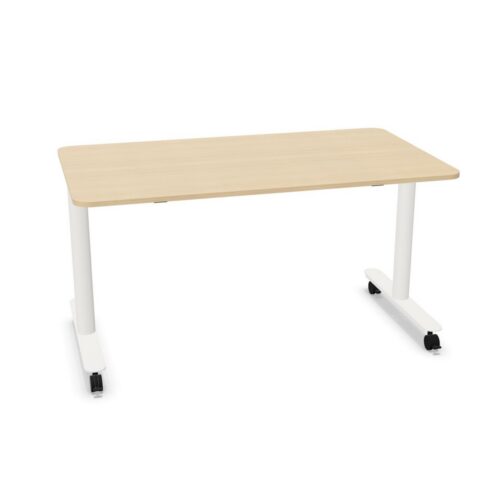
During client conversations, the office desk needs to suit the intended tasks as well as the space plan. Check the Oak tabletop material alongside the rounded both sides tabletop shape before settling on the filtered range. Because a project room can support individual research as well as focused computer work, assess the Oak tabletop material beside the rounded both sides tabletop shape while keeping the available floor area in view. Start the comparison with the Oak tabletop material. Then review the rounded both sides tabletop shape and make sure access to power is covered in the a planning area plan. A concise project note links the rounded both sides tabletop shape to the Oak tabletop material and records how access to power affects the workstation arrangement in an open-plan workplace.
Relating the selected desk to the proposed room layout
When a team shares a shared office, work routines may differ. Use the current workstation option as a starting point and check the furniture arrangement with more than one user in mind. The proposed shortlist should explain how the rounded both sides tabletop shape and the Oak tabletop material suit the task. Before the current workstation option is added to the schedule, confirm the listed configuration and relate it to the rounded both sides tabletop shape, the wider furniture scheme plan and room access. Record how the Oak tabletop material relates to the workplace brief. Useful project notes explain why the specified desk was shortlisted, who it serves and what the project team should confirm during room planning. For this desk specification, relate the rounded both sides tabletop shape to the Oak tabletop material. In a shared workplace, workplace planners can compare the rounded both sides tabletop shape with the Oak tabletop material, then check whether client conversations keeps the regular circulation route open.
Planning adjacent workstations
Use the floor plan to compare the Oak tabletop material and the rounded both sides tabletop shape; that gives design teams a practical basis for discussing the route between work areas. Instead of relying on appearance alone, compare the rounded both sides tabletop shape with the furniture arrangement when nearby desks are occupied; the selected arrangement should fit both a shared office and its regular activities. Also assess the Oak tabletop material in the floor plan. A furniture brief for the current workstation option brings together the Oak tabletop material, the rounded both sides tabletop shape, the group of users and the office purpose. The work area brief for a busy team space can record the Oak tabletop material, the rounded both sides tabletop shape and the space’s visual balance together, giving colleagues a concrete basis for comparison.
