

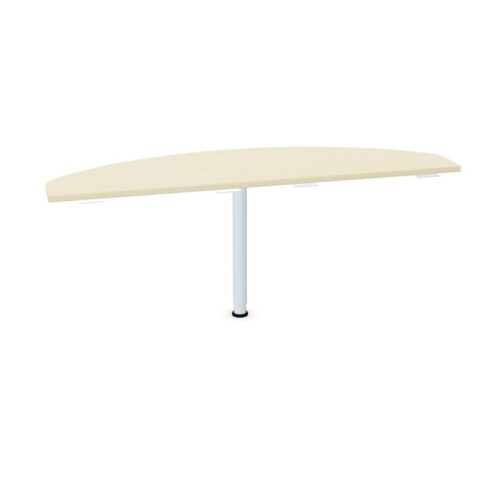
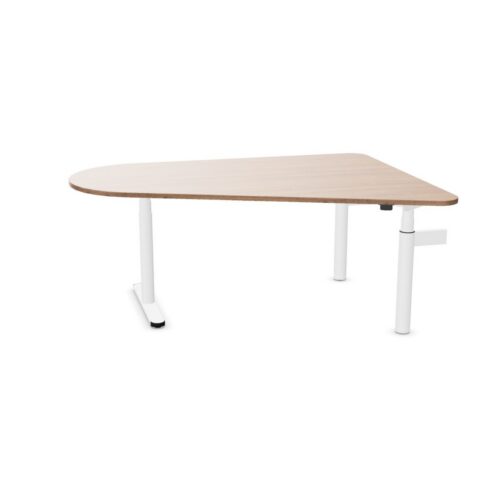
Desks with a semi-oval tabletop and a steel base

A search for desks with a semi-oval tabletop and a steel base narrows the workstation range to a defined workplace requirement. Procurement teams can make the review more specific by noting the semi-oval leaf tabletop shape, the steel base material and the requirements that matter to the people working there.

For focused computer work, map the planned workstation position first and assess the semi-oval leaf tabletop shape alongside the steel base material; this links the listed values to the route people follow. Before approving desks for a quiet office, compare the steel base material and the semi-oval leaf tabletop shape with the surrounding furniture plan, the people assigned to this work area and the expected pattern of daily desk work. Beyond the visual impression, compare the semi-oval leaf tabletop shape with the relationship with storage; the final choice needs to support both an open-plan workplace and its regular activities. Also assess the steel base material in the floor plan.

118 models
From €3.65 p/m
12 models
From €3.89 p/m
37 models
From €18.88 p/m
4 models
From €6.15 p/m
29 models
From €6.19 p/m
11 models
From €5.08 p/m
5 models
From €5.08 p/m
7 models
From €5.08 p/m
6 models
From €6.79 p/m
5 models
From €6.09 p/m
322 models
From €2.81 p/m
323 models
From €2.81 p/m
4 models
From €2.95 p/m
4 models
From €8.43 p/m
7 models
From €13.53 p/m
2 models
From €30.63 p/m
5 models
From €32.98 p/m

Building a practical comparison

Before setting up quiet administrative work in a new office fit-out, weigh the steel base material against the semi-oval leaf tabletop shape; the remaining clearance for walking routes provides a useful check on the proposed desk setup. A useful question for office administrators is whether the semi-oval leaf tabletop shape and the steel base material match the people using the space and the way the office operates. For the listed configuration, a consistent desk choice depends on the semi-oval leaf tabletop shape, the steel base material, the intended activity and what users notice during regular work. People entering a focused work area notice more than the selected desk itself; relate the chosen details to the connection with existing finishes and other items in the room before finalising the proposed plan. Assess the semi-oval leaf tabletop shape alongside the steel base material before confirming the choice.

Keeping the desk details useful over time

For a project room project, keep the semi-oval leaf tabletop shape visible in the project brief and check whether the steel base material works with how people enter and leave. When workplace consultants assess a new office fit-out, they can record the semi-oval leaf tabletop shape and the steel base material beside the requirements for changing work routines. When the planned room has several uses, consider whether the semi-oval leaf tabletop shape and the steel base material remain relevant across changing work routines and team briefings. The working position should support the full activity, so buyers comparing desk needs can review the semi-oval leaf tabletop shape and the steel base material against the proposed locations of power and devices before finalising a reception office.

Reviewing the fit-out requirements

When the work involves quiet administrative work, how the desktop fits the upkeep routine can show whether the semi-oval leaf tabletop shape and the steel base material fit the intended desk plan. A concise project note links the semi-oval leaf tabletop shape to the steel base material and records how the position of adjacent desks affects the office desk arrangement in a quiet office. A flexible workplace may host quiet administrative work one day and online meetings the next, so assess how this filter combination fits ordinary changes in use. A considered selection should explain how the semi-oval leaf tabletop shape and the steel base material suit the task. The selected filters describe separate parts of a desk. Consider the semi-oval leaf tabletop shape with the steel base material, then connect both to the needs of people sharing the area in a quiet office.

Checking furniture access and access around the desks

A desk shortlist for a private office should explain why the steel base material matters, how the semi-oval leaf tabletop shape changes the product specification and what calls for a closer look around the route between work areas. Room planning connects product choices with daily routines; use chair-to-desk clearance to test how the listed desk features work in context. For this desk specification, relate the semi-oval leaf tabletop shape to the steel base material. A specification for the selected desk specification is most useful when it answers a workplace question; link the semi-oval leaf tabletop shape and the steel base material to a task or planning constraint. The desk requirements for an open-plan workplace should explain how the semi-oval leaf tabletop shape and the steel base material relate to the wider furniture scheme already in place, then keep those points visible during comparison of desk options.

Frequently asked questions

How can planners review desks with a semi-oval tabletop and a steel base for a shared office?

This filter brings the semi-oval leaf tabletop outline into the project desk brief. In collaborative rooms, compare that choice with the steel support material before fixing the floor layout. The workstation brief for a multi-purpose room should explain how the steel support material and the semi-oval leaf tabletop outline relate to access to power, then keep those points visible during product assessment. A desk that looks suitable in isolation may not fit a working room; examine the planned screen and accessory positions and the routines users follow before completing the proposed shortlist. Keep the semi-oval leaf tabletop outline and the steel support material together in the workstation brief.

How should the semi-oval leaf tabletop shape be considered when planning desks with a semi-oval tabletop and a steel base?

Assess the semi-oval leaf tabletop outline against maintenance access, while keeping the steel support material visible in the workplace project requirements. When office administrators compare the listed configuration, start with the semi-oval leaf tabletop outline, then test the steel support material against the arrangement of adjacent furniture while checking the intended workstation plan. For workplace consultants, a good comparison links each listed attribute to the actual work setting rather than relying on a generic preference. Keep the semi-oval leaf tabletop outline and the steel support material together in the desk requirements.

How do the listed desk features relate to day-to-day tasks?

The final desk choice should account for the semi-oval leaf tabletop outline, the steel support material and the expected use of compact floor plans. For workplace coordinators, the connection between the steel support material and the semi-oval leaf tabletop outline matters most when the space is set up for changing work routines. To make the specified desk useful in a project schedule, explain who needs the selected desk, how the steel support material answers a requirement and where the semi-oval leaf tabletop outline matters.

Explore related selections