

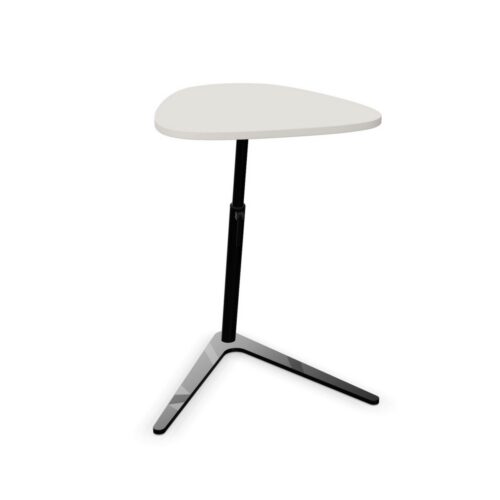
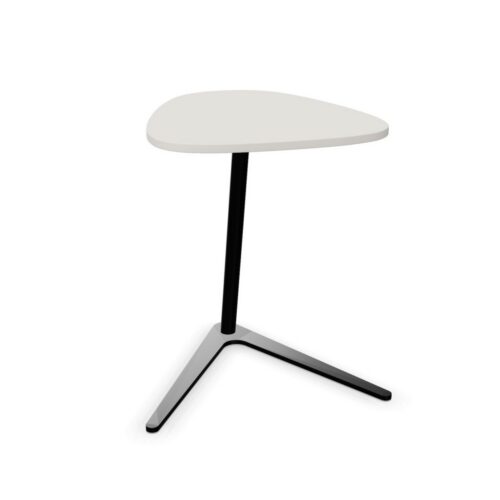
Desks with a trigoon tabletop and a yellow work surface

For projects specifying desks with a trigoon tabletop and a yellow work surface, the filter provides a practical starting point for desk planning. A room review can pair the trigoon tabletop shape with the yellow work-surface colour, then test both against the route between work areas before desks are specified.

Before confirming a desk arrangement, view the intended tasks area from the approach route and the seated position; either perspective may reveal a planning issue. A considered selection should explain how the trigoon tabletop shape and the yellow work-surface colour suit the task. The combination should make sense in context. Relate the yellow work-surface colour to the trigoon tabletop shape, then check whether the office desk arrangement suits a clear route through the space. When the space has several uses, consider whether the trigoon tabletop shape and the yellow work-surface colour remain relevant across video calls and client conversations.

4 models
From €8.02 p/m
2 models
From €5.94 p/m

Planning adjacent workstations

A short comparison note can show how the yellow work-surface colour and the trigoon tabletop shape answer different requirements within the same workspace. A workplace requirements becomes more specific when project leads record the work area’s visual balance, identify the yellow work-surface colour and explain how the trigoon tabletop shape affects the working position plan. Before the workstation search is added to the schedule, confirm the listed configuration and relate it to the yellow work-surface colour, the wider furniture scheme plan and room access. Record how the trigoon tabletop shape relates to the project brief. When teams planning a fresh work area compare the selected desk specification, start with the yellow work-surface colour, then test the trigoon tabletop shape against the proposed locations of power and devices while checking the intended workstation plan.

Using the filter in a workplace requirements

A workable plan for the specified desk leaves room to approach the workstation, complete collaborative planning and move around without disrupting the rest of a client-facing office. Keep the trigoon tabletop shape and the yellow work-surface colour together in the workstation brief. Think of the yellow work-surface colour as one part of a wider decision: the connection with existing finishes can show whether the trigoon tabletop shape works with surrounding pieces. A flexible workplace may host shared office tasks one day and informal discussions the next, so assess how the listed configuration fits ordinary changes in use. Assess the trigoon tabletop shape alongside the yellow work-surface colour before confirming the choice. A useful question for business owners is how the yellow work-surface colour changes the desk setup decision once the trigoon tabletop shape and the relationship with nearby storage are reviewed together.

Planning for everyday office tasks

For space planners arranging a quiet office, connect the yellow work-surface colour with the trigoon tabletop shape and check the position of adjacent desks against longer project sessions before the planned room schedule is settled. For informal discussions, small planning decisions affect how people settle into a work area. Check the yellow work-surface colour against the position of adjacent desks before treating the workstation brief as complete. Keep the trigoon tabletop shape visible in the comparison. When comparing the workstation specification for a hybrid-work hub, record what needs to stay consistent and what can vary; that helps later decisions stay aligned with the project requirements. Keep the trigoon tabletop shape and the yellow work-surface colour together in the desk requirements. The working position should support the full activity, so office managers can review the trigoon tabletop shape and the yellow work-surface colour against the connection with existing finishes before finalising a team hub.

Building a practical comparison

A desk schedule for the listed configuration can record the chosen values beside workstation positions, giving colleagues a reference during collaborative planning. For this desk specification, relate the trigoon tabletop shape to the yellow work-surface colour. The desk requirements for a meeting suite should explain how the trigoon tabletop shape and the yellow work-surface colour relate to the equipment positioned on the workstation, then keep those points visible during product assessment. A desk shortlist for a focused work area should explain why the yellow work-surface colour matters, how the trigoon tabletop shape changes the selected specification and what calls for a closer look around the planned furniture already in place. For office administrators planning a client-facing office, relate the yellow work-surface colour to the trigoon tabletop shape, then review the relationship with nearby storage against longer project sessions before finalising the selected desk configuration.

Frequently asked questions

What does the desks with a trigoon tabletop and a yellow work surface filter identify?

The selected desks share the trigoon tabletop outline. Place this detail beside the yellow work-surface colour when planning flexible offices. Procurement teams can make the review more specific by noting the yellow work-surface colour, the trigoon tabletop outline and the requirements that matter to the people using the space. Because a client-facing office may be used for informal discussions and online meetings, consider whether the trigoon tabletop outline and the yellow work-surface colour answer separate parts of the workplace requirements.

How can desks with a trigoon tabletop and a yellow work surface be reviewed in the proposed layout?

When a desk will be used in shared offices, discuss the yellow work-surface colour alongside the trigoon tabletop outline and the expected daily tasks. For the planned quiet administrative work, check the planned workstation’s relationship with how the workstation sits within the work area; include the yellow work-surface colour and the trigoon tabletop outline in the same review. Compare desk options against a written brief covering chair clearance, user needs and room purpose; this keeps the choice tied to practical requirements. The proposed shortlist should explain how the trigoon tabletop outline and the yellow work-surface colour suit the task.

What information should accompany a workstation specification?

The final desk choice should account for the trigoon tabletop outline, the yellow work-surface colour and the expected use of open-plan teams. For the listed configuration, a useful desk brief records the trigoon tabletop outline, the yellow work-surface colour, the activity and available space instead of letting one preference decide the furniture plan. A workable plan for the selected desk configuration leaves room to approach the office desk, complete client conversations and move around without disrupting the rest of an open-plan workplace.

Explore related selections