

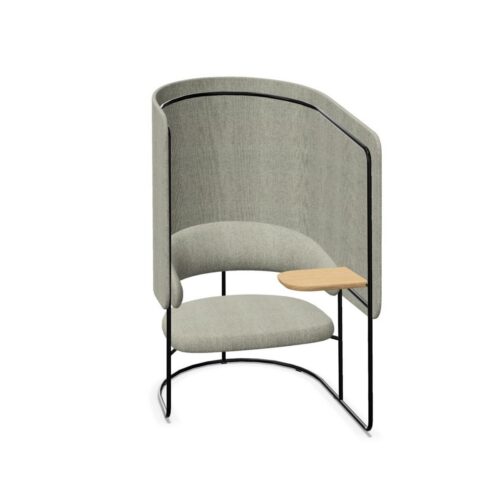
Lounge Furniture With Black Bases and Metal Bases

Lounge furniture with black bases and metal bases combines a defined base color with a specified base material. The planning focus is a black metal foundation beneath lounge seating, considered alongside the body of each piece and its position within a shared interior. In reception areas and informal meeting spaces, review how the lower outlines relate across the seating group and whether black creates the intended distinction against the floor.

Color and material answer different questions. Black establishes the visual direction, while metal identifies the base material without confirming a particular metal type, surface treatment or construction. Compare actual forms before drawing conclusions about their appearance. An exposed base and a partly concealed base can contribute differently even when both are black metal. Start with the room’s main viewpoints, then examine the relationship between neighboring pieces so the lower details support a consistent arrangement.

3 models
From €34.69 p/m
5 models
From €31.41 p/m
3 models
From €30.91 p/m
4 models
From €55.20 p/m
2 models
From €104.98 p/m
18 models
From €27.49 p/m
6 models
From €28.06 p/m
2 models
From €41.00 p/m
€11.58 p/m
2 models
From €2.71 p/m

Planning Lounge Furniture With Black Bases and Metal Bases

Begin with the role of the lower outline across the whole seating area. A shared black base color can provide a point of connection, but the amount and shape of visible metal still matter. Review each piece from the entrance and from within the lounge. Establish whether the bases form a related visual pattern or whether their differences need to be balanced through placement. The objective is a clear composition, not automatic uniformity. Consider the sofa or seat bodies at the same time, because their colors and forms determine how strongly the black foundation stands out beneath them.

Use Floor Contrast as a Comparison Point

When assessing lounge furniture with black bases and metal bases, include the intended floor in the review. Black may create a distinct outline against a lighter background or a closer tonal relationship with a darker one. A patterned floor adds another element to assess around the visible base. None of these relationships is inherently preferable; the right choice follows the role you want the seating to play. Compare the complete group from the main approach rather than examining each base separately. This reveals whether the lower outlines remain coordinated when the furniture is seen as part of the room.

Keep Material Assumptions Separate From Appearance

Metal identifies the base material, but it does not establish the metal type, weight, surface character or construction details. Black also does not confirm whether the surface has a particular sheen. If any of those points affect the interior plan, establish them for the individual design. Keep the visual assessment focused on what is confirmed: the black color, the metal base and the actual form represented. Compare visible connections and transitions where they can be examined, without assuming shared construction across different pieces. This produces a clearer understanding of which details genuinely relate and which simply share a broad description.

Coordinate Different Seating Forms

Lounge furniture with black bases and metal bases can be evaluated as a group even when the seating bodies differ. Identify the common lower detail you want to emphasize, then assess whether the individual outlines support it. A base that is visually prominent may need a different position from one that is mostly concealed. Review how those differences appear along circulation routes and across the lounge. The shared black metal specification should be one part of the coordination, alongside the relationship between the main bodies. Use a consistent comparison method so a familiar color does not obscure meaningful differences in form.

Frequently Asked Questions

Does metal identify a specific metal type?

No. The combination confirms metal as the base material, without identifying a more specific type. Any requirement for a particular metal or construction detail needs separate confirmation for the individual piece.

Will all black metal bases look alike?

No. Visible form, surface appearance and the amount of exposed base can differ. Compare those characteristics directly before treating the shared color and material as an exact visual match.

How should different base shapes be coordinated?

Review their prominence and placement across the seating group. Look for an intentional relationship between the lower outlines, the seating bodies and the floor, rather than requiring every base shape to be identical.

Explore related selections