



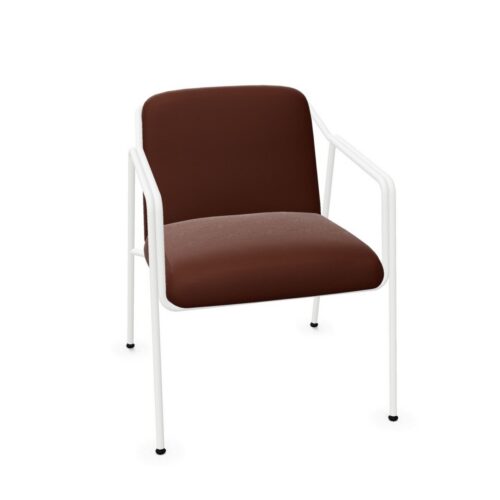


Using Lounge Furniture With Blue Bases and Fabric Upholstery
Decide what the blue base should contribute before comparing individual furniture forms. It might connect the seating to a color already present in the interior or introduce a distinct detail within the lounge. Assess that intention against the actual blue reference, surrounding colors, and proposed fabric upholstery. Review the complete form to see how much emphasis the base receives. Its position beneath the upholstered areas does not make it visually incidental. From some approaches it may be a prominent part of the furniture, so include it deliberately in the room's color plan.
Manage Repetition Across Open Lounge Areas
When several seating areas are visible together, repeated blue bases can create a visual relationship between them. Decide whether that relationship helps the interior feel coherent or draws attention across areas intended for different activities. Review the connected views from circulation routes and adjoining rooms. The arrangement still needs to explain where waiting, conversation, or other lounge activity belongs. Color can contribute to that composition, but orientation and placement should make the organization understandable. Assess each group within the wider view before refining the fabric appearance for individual seating areas in the scheme.
Choose the Fabric Relationship Deliberately
With lounge furniture with blue bases and fabric upholstery, establish whether the upholstered form should echo the base color or create a visible difference. Do not assume the fabric is blue; its color requires a specific reference. Compare the proposed sample beside the base and surrounding room palette under relevant lighting. Consider both the immediate upholstery-to-base relationship and the view of the complete seating group. Confirm the fabric's composition and care guidance separately. This keeps the material assessment grounded in the actual upholstery while the visual review addresses the intended color arrangement.
