

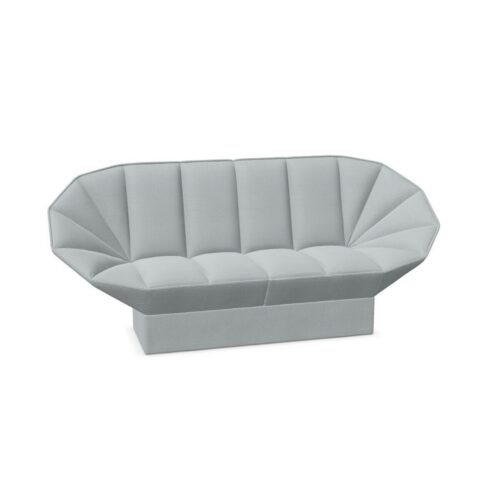
Lounge Furniture With Brown Bases and Leather Upholstery

lounge furniture with brown bases and leather upholstery invites a careful assessment of tone rather than assumptions about a familiar color pairing. Brown describes the base color; leather describes the upholstery material. The leather may have a different color, and the base material is not established by its appearance. Review the actual combination in relation to the floor and surrounding interior before deciding how closely the upper and lower parts should relate visually.

For reception seating or a shared workplace lounge, brown can form part of a layered palette or provide a distinct outline beneath the upholstery. The useful choice depends on whether the furniture should blend with neighboring colors or remain clearly separate. Examine the room from its principal approach, then review the exposed side views. Closely related tones can look unified at a distance yet show their differences nearby. A clear plan identifies which relationships should remain visible and how the arrangement supports the intended use of the space.

2 models
From €37.65 p/m
2 models
From €31.82 p/m
2 models
From €94.44 p/m
2 models
From €52.93 p/m
€23.58 p/m
3 models
From €98.55 p/m
4 models
From €47.95 p/m
2 models
From €71.71 p/m
3 models
From €14.35 p/m
2 models
From €26.69 p/m
39 models
From €5.39 p/m
21 models
From €15.97 p/m
20 models
From €9.70 p/m
27 models
From €4.57 p/m
2 models
From €20.01 p/m
6 models
From €13.26 p/m
2 models
From €33.31 p/m
2 models
From €58.96 p/m

Tonal planning for lounge furniture with brown bases and leather upholstery

Compare the brown base directly with the actual leather color. If the tones are related, assess whether the furniture reads as a unified form or whether the base still provides a separate visual reference. If they differ, decide how much emphasis that distinction should receive. Neither relationship follows automatically from the material name. View the combination against the intended floor as well as on its own. This introduces the surrounding color that often has the strongest effect on the base outline and helps establish how clearly the furniture separates from the room around it.

Distinguish color from material

A brown base should be evaluated as a color choice unless its material is independently confirmed. This distinction matters when coordinating several elements across a reception area. Similar brown colors do not necessarily establish the same surface treatment or care requirements. With lounge furniture with brown bases and leather upholstery, record the confirmed attributes separately from the visual relationships you want to create. Review finish information and leather care guidance for the particular furniture. This keeps the planning brief accurate while allowing the color combination to be assessed on its own visual merits within the intended workplace setting.

Give related tones enough definition

If the floor, base, and leather occupy neighboring parts of the palette, examine their boundaries from the entrance. Decide whether the composition needs the base outline to remain apparent or whether the upholstered form can carry the stronger visual identity. Repeat this check from reception and any adjoining corridor. A close tonal relationship may read differently under the lighting in each area. Use complete furniture outlines and deliberate orientation to keep the seating group understandable. The arrangement should indicate where visitors wait and how they approach reception without depending on a subtle color distinction at floor level.

Coordinate the group across exposed views

Brown details can appear more continuous when viewed across an arrangement than when examined separately. Compare front, side, and rear perspectives to see how the base color connects the group. When reviewing lounge furniture with brown bases and leather upholstery, consider whether exposed ends create a different balance from the main approach. Arrange the seating so those differences support the overall composition. Keep the role of neighboring colors clear: some may provide a backdrop, while others define an arrival point or circulation route. The final comparison should explain how the brown and leather combination belongs within that hierarchy rather than relying on a general style label.

Frequently asked questions

Does a brown base mean the base is made from a particular material?

No. Brown identifies the color only. Confirm the base material and finish separately if those details are required for the project, and assess the color relationship with the leather independently.

Does leather upholstery mean the seating is brown throughout?

No upholstery color is established by the material alone. Review the actual leather color alongside the brown base to understand whether the combination creates a close tonal relationship or a clearer contrast.

How can a brown base remain visible on a similar floor?

Assess the actual shades, lighting, and base outline together. If the boundary is subtle, decide whether that suits the scheme and whether the overall furniture form provides sufficient visual definition for the arrangement.

Explore related selections