


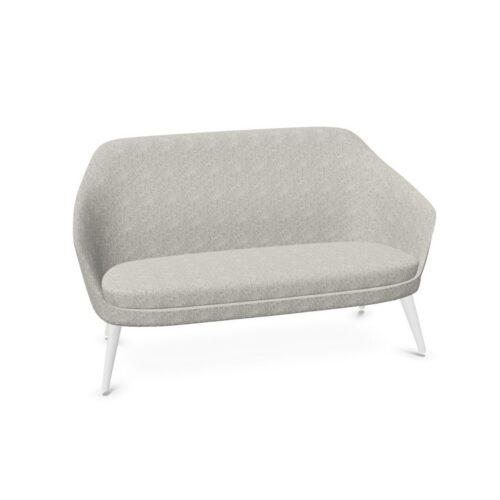
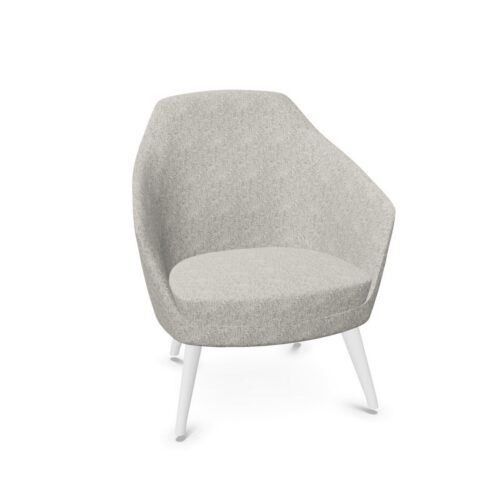
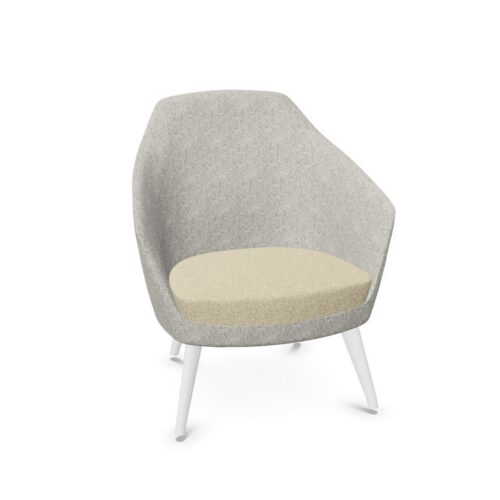


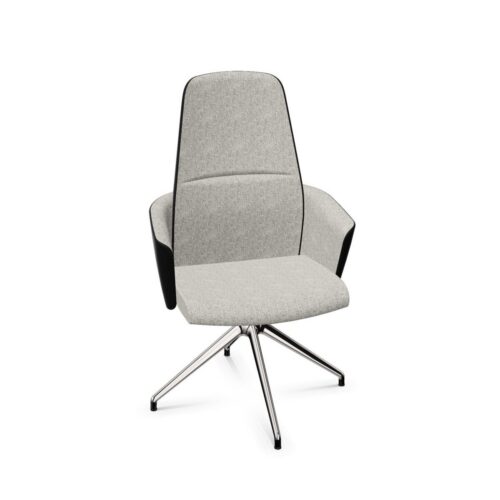

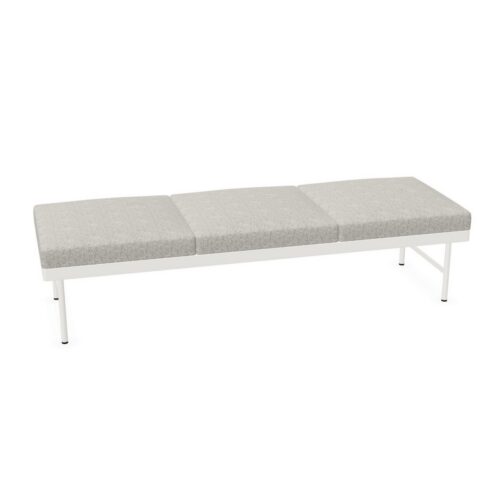

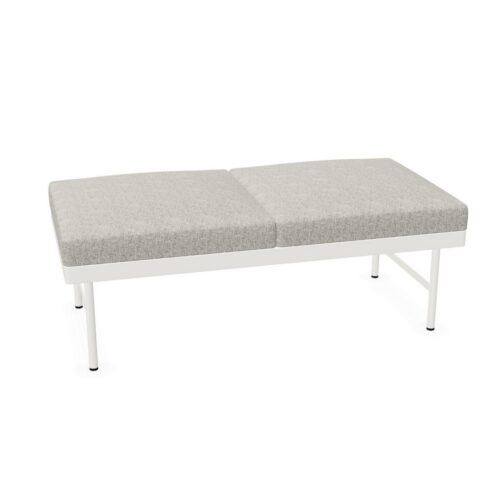
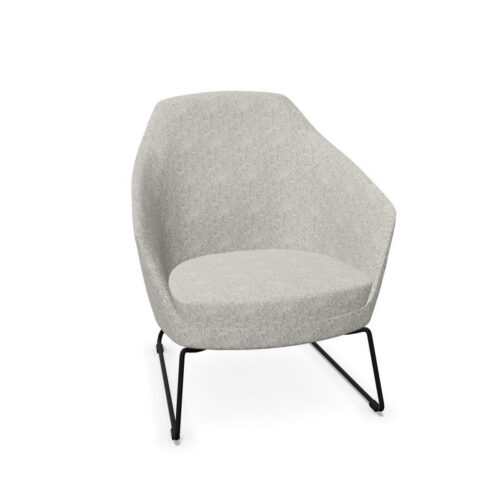
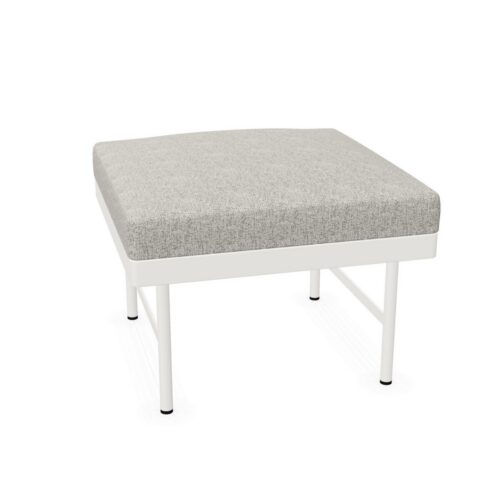
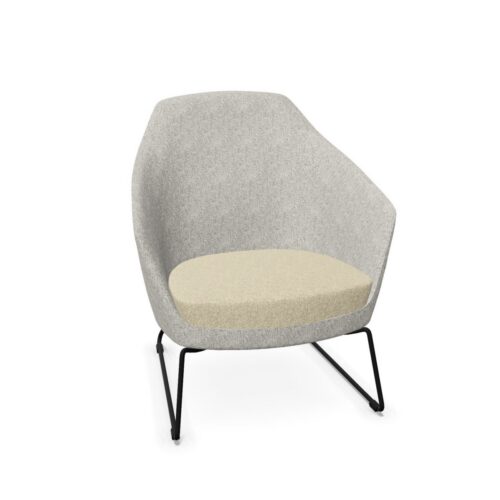


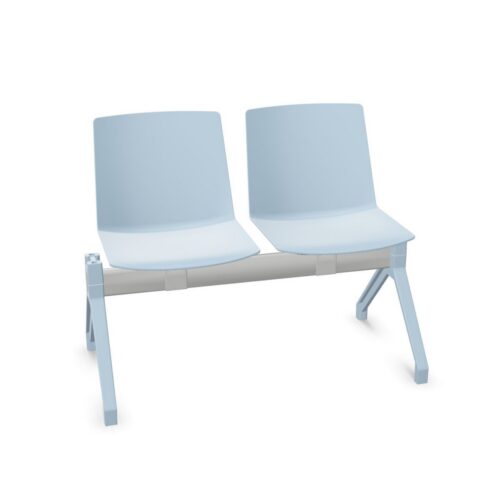
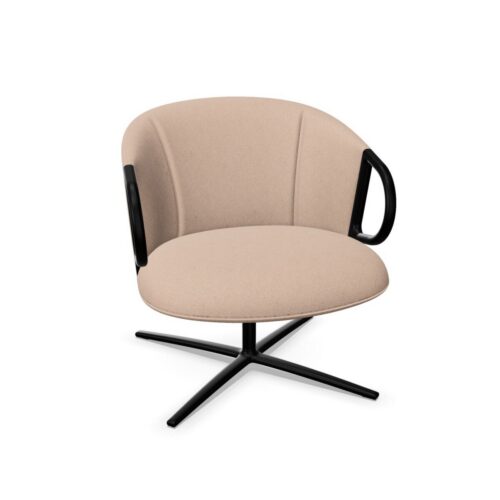
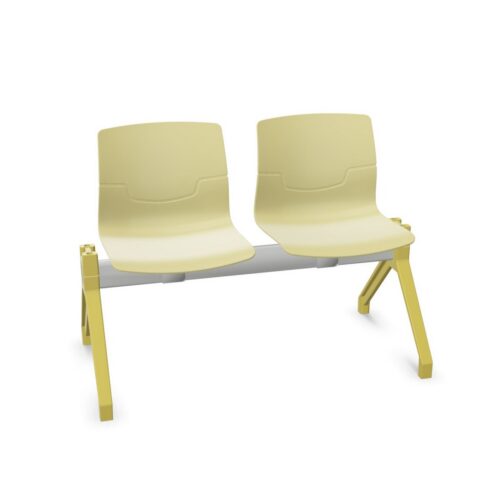


Balancing lounge furniture with grey bases and pu leather upholstery
Gray should be assessed as a specific tone rather than a universal neutral. Compare the base reference with the floor, nearby wall colors, and other visible finishes. It may appear closely related to one surface and distinct from another. Decide whether the base should connect those elements or remain a separate visual detail beneath the upholstery. Record the intended relationship in plain terms, such as close tonal coordination or a clear contrast. This makes later comparisons more consistent and prevents the decision from resting on the assumption that any gray will suit every surrounding palette equally well.
Connect Areas Without Repeating Everything
Where a lounge extends through several workplace zones, use the gray base as one possible point of continuity. That does not require every seating group to share the same upholstery color or arrangement. Begin by identifying the activities in each area, then decide which visual elements should connect them. Review the views from one zone to the next, because furniture that appears separate on a plan may be seen together in practice. A consistent base and a considered upholstery palette can support a shared identity while allowing each group to relate to its immediate surroundings and intended use.
