

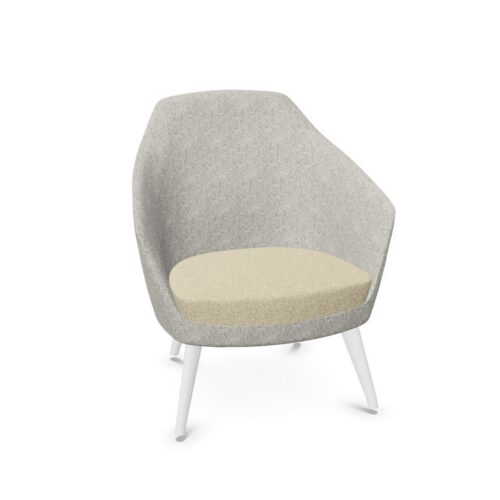
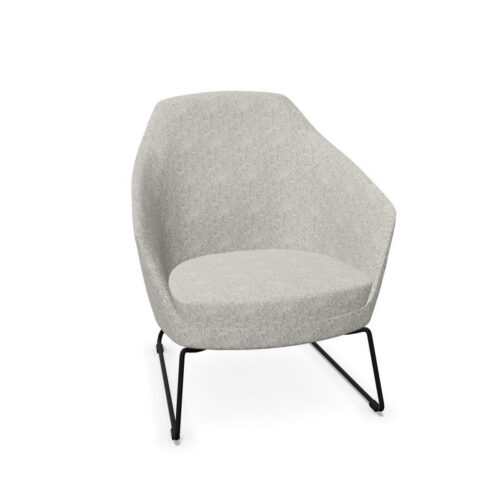
Lounge Furniture With Red Bases and Yes Armrests

lounge furniture with red bases and yes armrests combines a base color that can form a deliberate visual accent with seating that has defined sides. In a visitor-facing lounge, assess the pairing through the arrival experience: what guests see first, where they recognize an available place and how they enter the seating group. The red belongs to the base, so its contribution depends on the parts visible in the proposed arrangement.

Compare lounge furniture with red bases and yes armrests by balancing the room’s composition with the approach to each seat. A layout chosen to expose a red base also needs to account for the armrests and neighboring furniture. Their presence alone does not establish a fixed or movable arrangement. Review the actual arm profile and the appearance of the red separately, then bring those details together in the complete visitor lounge plan.

3 models
From €34.69 p/m
2 models
From €41.00 p/m
3 models
From €14.88 p/m
3 models
From €16.85 p/m
4 models
From €26.96 p/m
2 models
From €22.69 p/m
8 models
From €27.67 p/m
€20.01 p/m
5 models
From €43.95 p/m
3 models
From €21.53 p/m
4 models
From €94.99 p/m
4 models
From €84.08 p/m
3 models
From €98.55 p/m

Introducing lounge furniture with red bases and yes armrests

Start at the point where a visitor first sees the lounge. Identify the seating positions that are immediately apparent and the route a guest would take to reach them. Red bases may contribute to the composition from this viewpoint, but their visibility should be checked rather than assumed. Armrests establish the sides of the seating and therefore need to be considered along the approach. Review the arrival sequence with some seats already occupied. A visitor should be able to understand the group without needing to cross its center or step through the space where other people are already engaged in conversation.

Decide how much visual emphasis red should have

Consider the base color in relation to the whole visitor area, including existing graphics and nearby room colors. Red can be a repeated detail or a single accent within the composition; the appropriate role depends on the brief. Examine where the base is exposed and how its appearance changes between the entrance and the seated view. Avoid extending an exact color match across the room without reviewing the actual shade. Red identifies a color family, not a particular surface appearance. The objective is a deliberate relationship between the base and its surroundings, with the degree of emphasis chosen as part of the room plan.

Make each seating boundary understandable

Look at the armrests from the viewpoint of a person approaching an empty seat. Their shape and position influence how the seat relates to the furniture beside it. Establish whether the arms move if that matters to the brief, since their presence does not answer that question. In a group for unfamiliar visitors, compare how clearly each place is distinguished from its neighbor. Include the outside edges of the arms when reviewing separation. If a shared table is planned, assess the relationship from every seat rather than assuming that a central position produces the same arrangement for everyone in the group.

Bring arrival and seated views together

The final review of lounge furniture with red bases and yes armrests should cover both first impressions and the experience of joining an occupied group. Check the route from arrival, the position of each armrest and the exposure of the red bases. Compare alternative seat orientations where the visual composition and approach need different adjustments. Keep the visitor area understandable from its normal entrance, then review how it looks from within the group. A red base can contribute to the room without needing to be equally prominent from every angle, provided its role and the seating arrangement have both been considered deliberately.

FAQ

Should red bases be visible immediately on arrival?

Only if that supports the intended composition. Assess the entrance view and decide whether red should be an early visual detail or become more apparent as visitors approach the seating group.

Do armrests establish a particular seating separation?

No. Their actual shape and position need review alongside the neighboring furniture. Use the complete outline to assess separation, and check the approach with adjacent seats represented as occupied in the plan.

How should a shared table relate to the arms?

Examine the table from each seating position and include the armrests in the arrangement. Compare approach routes and the relationship between furniture edges before deciding where the table should sit within the group.

Explore related selections