

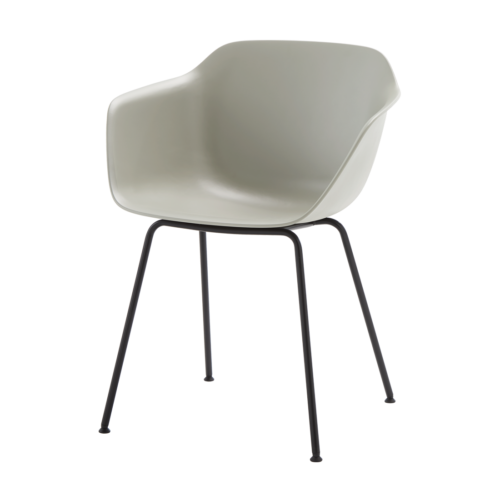
White Upholstered Lounge Furniture With Black Bases

lounge furniture with black base bases and white upholstery offers a two-color starting point for workplace waiting areas and shared lounges. The key planning question is how much of each color the room will reveal. White upholstery may define the main seating form, while the visible black base introduces a darker outline beneath it. Different viewing angles can change that relationship, so assess the complete composition instead of considering the upholstery color on its own.

Use the combination to organize a room with an existing light and dark palette, or establish a clear seating area within a more varied interior. Compare the base with the floor and the upholstery with the surfaces behind it. These relationships determine whether the seating appears strongly outlined or more closely integrated. Planning around that distinction gives the furniture a specific role in the room before additional colors and accessories enter the scheme.

2 models
From €22.96 p/m
5 models
From €64.42 p/m
2 models
From €26.69 p/m
17 models
From €4.61 p/m
12 models
From €9.08 p/m
3 models
From €42.05 p/m
2 models
From €37.93 p/m
2 models
From €19.07 p/m
6 models
From €39.44 p/m
8 models
From €3.83 p/m
2 models
From €33.03 p/m
7 models
From €19.03 p/m

Assessing lounge furniture with black base bases and white upholstery

The appearance of this combination depends partly on how much of the base remains visible around the upholstered form. Compare the furniture from a standing viewpoint near the entrance and from positions within the seating area. Look at the outline, the spaces around the base and the relationship between adjacent pieces. These observations help you understand how lounge furniture with black base bases and white upholstery will contribute to the overall arrangement. Treat the black base as an active part of the design, even when it occupies a relatively small part of the view.

Choose a background for the contrast

Place the proposed colors beside the floor and wall references before settling the room palette. A light background may distinguish the black base clearly, while a dark background can change which parts of the furniture attract attention. Neither relationship is automatically preferable. Choose according to whether the seating should appear as a strongly defined group or a quieter part of the room. Also review the view through adjoining spaces. A composition that feels balanced from inside the lounge may present a different arrangement of light and dark from the corridor outside.

Distribute the seating around its purpose

Decide whether the area is primarily for individual waiting, brief conversations or an informal gathering point. That decision should guide the relationship between seats and the direction they face. For individual waiting, consider how people enter and leave the group without crossing another person's immediate space. For conversation, assess whether the arrangement makes the intended interaction clear. Keep the route to reception or nearby rooms understandable. The black and white palette can connect the furniture visually, but the layout still needs to explain how the area is meant to be used.

Coordinate details without overmatching

When planning lounge furniture with black base bases and white upholstery, start with the largest surrounding color areas. Establish their relationship before comparing smaller accessories. Repeating black throughout the room can strengthen the connection to the bases, but repeated accents should have a clear purpose. Likewise, white upholstery does not require every pale surface to share an identical appearance. Review the actual samples together and decide where similarity matters. Keep a record of the agreed visual references and request the relevant care instructions so that the chosen combination also fits the planned maintenance routine.

Frequently Asked Questions

Does a black base establish a particular material?

No. Black describes the selected base appearance here. Assess the stated construction information separately rather than inferring a material, surface treatment or maintenance requirement from the color alone.

How can the seating relate to a darker floor?

Review the base against a floor sample and inspect the complete furniture outline. Decide whether a less prominent base supports the composition, then consider the upholstery's relationship with the background behind it.

Where should the comparison begin?

Begin with the room's main viewpoint. For lounge furniture with black base bases and white upholstery, the visible balance between the base and upholstery is more useful than judging either color in isolation.

Explore related selections