

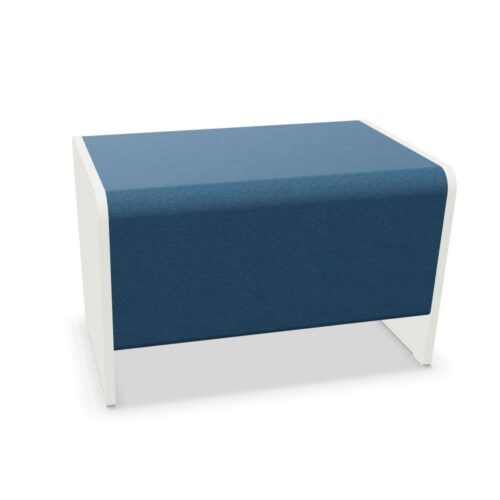
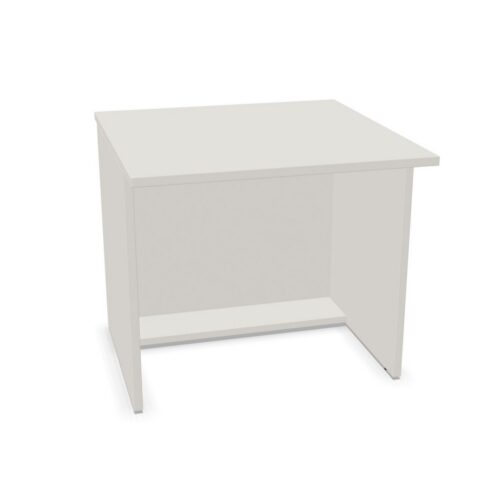
Lounge Furniture With Melamine Bases and Green Upholstery

lounge furniture with melamine bases and green upholstery combines a specified base material with a clear upholstery color for workplace lounges and visitor seating. Start with the actual melamine finish and green reference, then consider how their visible areas relate within the complete furniture. This pairing is particularly useful to assess alongside the room’s existing surfaces, where the base can form part of a coordinated composition beneath the upholstered seating.

Plan the relationship through finish, proportion and placement. A base that occupies a noticeable part of the furniture outline needs to be reviewed as a room element in its own right. Green upholstery can either connect that element to the wider palette or give the seating a separate identity. Compare complete views from the entrance and adjoining routes before approving either approach, with the intended layout showing how the lounge belongs within the surrounding interior.

3 models
From €42.05 p/m
6 models
From €5.43 p/m
2 models
From €25.56 p/m
2 models
From €33.03 p/m

Begin With the Base Finish in Context

Melamine identifies the base material, while the intended finish establishes its visible relationship to the room. Confirm that finish before coordinating the green upholstery or nearby furniture. Compare the actual references alongside the floor and walls, with particular attention to surfaces immediately beside the seating. Decide whether the base should relate closely to those elements or remain distinct. Include a complete view of the furniture so that the review accounts for the amount of base visible. A finish that occupies a small detail has a different visual role from one that forms a prominent part of the outline.

Compose Lounge Furniture With Melamine Bases and Green Upholstery

Assess the green and base as connected parts of the same composition. Look at where they meet, how much of each is visible and which element attracts attention from the principal room viewpoints. The relationship should suit the intended setting, whether the seating sits within a reception area or a shared workplace lounge. Review the proposed group rather than a single isolated view. Repetition can make a finish more prominent across the room. Establish whether the green should provide the main connection between pieces or whether the base finish should contribute equally to the identity of the arrangement.

Relate the Seating to Existing Interior Elements

Use lounge furniture with melamine bases and green upholstery to develop a deliberate relationship with the room's established palette. Identify the nearby surfaces that will be seen alongside the seating and compare them together. Similar tones may connect the lounge to its surroundings, while a clear difference can establish a distinct seating area. Make that decision across the complete room rather than through separate finish approvals. Check views through entrances and from adjoining routes, where the base may align visually with other interior elements. The green should remain part of every comparison so that the complete pairing guides the scheme.

Keep Placement and Finish Decisions Connected

A layout change can alter how much of the base is visible and which neighboring surfaces appear beside it. Review finish decisions again when the arrangement is finalized. Seating against a wall presents a different set of views from a group approached from several directions. Check the outer edges of the lounge as well as its center. Keep routes clear around the arrangement and make the approach to each position understandable. Then assess whether the base finish and green upholstery maintain the intended relationship from those routes. This connects the visual decisions to the way people encounter and use the space.

Questions About Finish and Composition

Does melamine determine the base color?

Confirm the intended finish separately and compare it directly with the green upholstery. Include adjacent room surfaces in the review. This ensures the palette reflects the appearance planned for the furniture rather than an assumption based on the material description.

What should be compared beside existing furniture?

For lounge furniture with melamine bases and green upholstery, compare the base finish, green reference and complete furniture outline with the neighboring pieces. Assess them from the actual approach routes, where their visual relationship will be encountered most often.

When should the finish relationship be reviewed again?

Review it when the layout is finalized or the seating orientation changes. Different views can expose more of the base or place it beside another surface. Check those relationships before approving the complete room composition.

Explore related selections