

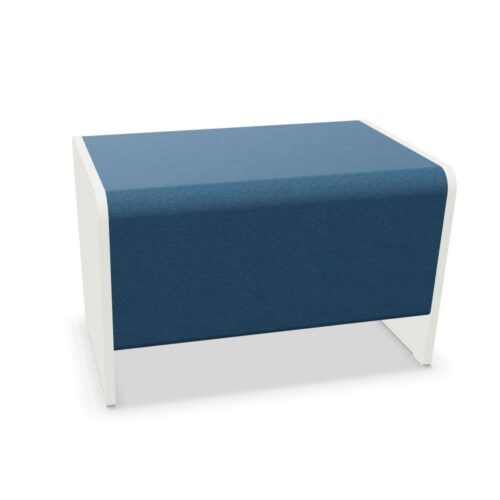
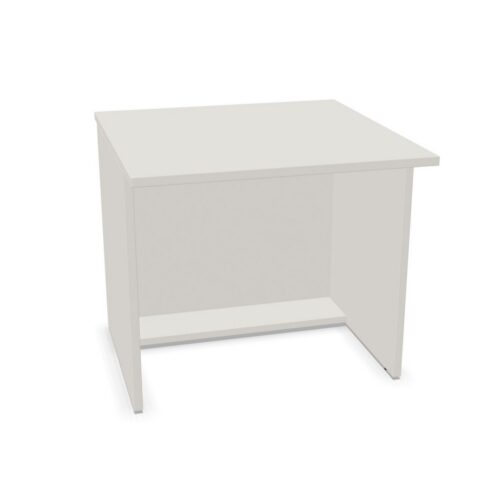
Lounge Furniture With Melamine Bases and Red Upholstery

Lounge furniture with melamine bases and red upholstery combines a selected base material with a clear upholstery color family for reception and shared lounge planning. The key comparison is between the base’s actual appearance and the chosen red, especially where nearby furnishings create an established palette. Begin with those visible relationships before deciding how the seating group should connect to the rest of the interior.

When reviewing lounge furniture with melamine bases and red upholstery, confirm the base color and surface appearance rather than inferring them from melamine alone. Assess a representative red sample alongside that reference and the surrounding room colors. Consider which parts of the base will remain visible from the entrance, from adjacent seating, and along walking routes. This creates a focused comparison of the selected combination while leaving construction, care requirements, and other technical characteristics to their own confirmed information.

3 models
From €42.05 p/m
6 models
From €5.43 p/m
2 models
From €25.56 p/m
2 models
From €33.03 p/m

Reviewing lounge furniture with melamine bases and red upholstery

Establish the visible base reference at the beginning of the room review. Melamine identifies the selected base material, but it does not establish a particular color, pattern, or complete construction. Confirm the relevant appearance before coordinating other interior elements around it.

Assess that reference beside the red upholstery rather than in a separate discussion. Look at the complete seating form to understand how much of the base contributes to the room view. This helps the team decide which visible details deserve continuity with nearby furnishings and which can remain distinct.

Coordinate With Adjacent Furnishings

Identify nearby furniture that will share the same view as the lounge. Compare its actual colors and surface appearances with the proposed bases. A shared material description does not guarantee a visual match, so focus on what people will see together within the room.

For lounge furniture with melamine bases and red upholstery, decide whether the bases should continue an existing detail or introduce a separate one. Make that relationship explicit in the interior brief. This prevents later coordination from depending on a broad material name that may not describe the intended appearance precisely enough.

Give the Red a Clear Boundary

Determine where the red upholstery belongs within the wider palette. It might be concentrated in the lounge or connect to selected details in adjoining areas. Review existing red elements before extending the color, and compare their actual shades with the intended upholstery sample.

Assess lounge furniture with melamine bases and red upholstery from the views that connect the seating to the rest of the room. Look at the amount of red visible across the arrangement and its relationship to the confirmed base appearance. Keep the color decision tied to the complete group rather than isolated pieces.

Record the Complete Comparison

Use a shared set of references for the project review: the red upholstery sample, confirmed base appearance, surrounding palette, and proposed arrangement. Include the views in which the combination will be most visible. These references help colleagues assess the same relationships even when reviewing different seating proposals.

Compare lounge furniture with melamine bases and red upholstery against both the visual brief and any separately stated technical requirements. Confirm care or construction details for the actual furniture where needed. Keep the final record specific about what has been established, why the combination suits the room, and which references should guide related interior decisions.

Frequently Asked Questions

Does melamine identify the complete base construction?

The material description alone does not establish the full construction. Confirm any construction details required by the project brief separately. For visual coordination, use the actual base color and surface appearance alongside the red upholstery reference.

Must nearby melamine elements match the bases?

A shared material does not require an identical appearance. Compare the actual references and decide whether the lounge should continue an existing treatment or remain distinct. Concentrate on elements visible together from the main room positions.

What should be checked before extending red elsewhere?

Review the upholstery sample beside existing red details and the wider room palette. Decide where repetition serves the intended composition. Check the connecting views between areas so any extension of red follows a clear plan across the interior.

Explore related selections